Last updated October 7, 2026


Colorado 13ers: The Complete List & Peakbagging Guide
Colorado’s famous 14ers are only the beginning. Under the current 300-foot-prominence system used by this guide, 582 ranked summits sit between 13,000 and 13,999 feet. They range from short Front Range hikes such as Mount Sniktau to remote San Juan expeditions and genuine Class 5 alpine climbs such as Lizard Head, Jagged Mountain, Teakettle and Dallas Peak.
Colorado Has Hundreds of Ranked 13ers—and They Are a Much Bigger Project Than the 14ers.
Global Summit Guide uses 582 ranked Colorado thirteeners under the current Colorado-specific 300-foot prominence system: overall Colorado ranks #54 through #635.
The highest is Grizzly Peak A at 13,997 feet. At the bottom of the current ranked list, Peak R sits at 13,000 feet. Between them are mountains in the Front, Sawatch, San Juan, Sangre de Cristo, Elk, Gore, Mosquito and Tenmile ranges.
The key fact for a new peakbagger: 13er is an elevation category—not a difficulty grade. Some are easier than most 14ers. Several are substantially harder.
Why You Will See 576, 582, 629, 635 and Even 637 Online
Colorado peak counts change when the list definition changes or better elevation data changes prominence.
637 Peaks
Older Colorado mountain references commonly described 637 peaks above 13,000 feet. That number predates several modern LiDAR-driven revisions.
582 Ranked 13ers
GSG uses the current Colorado-specific ranked system where the 53 ranked 14ers are followed by 13ers through overall rank #635.
Different Current Total
Peakbagger’s current Colorado Thirteeners dataset uses a slightly different ranked inventory. That is why its total does not perfectly match the Colorado-specific list.
The Colorado 13er List Runs From Overall Rank #54 to #635
A 582-row wall of names is poor trip planning. The useful way to understand the complete list is by rank band, range and climbing skill.
The Highest 47 Thirteeners
Grizzly Peak A through the final peaks just above the Colorado Top 100 cutoff. This is where many Centennial finishers begin their 13er career.
Bicentennial Territory
Includes difficult objectives such as Teakettle and Dallas alongside many Class 2 peaks.
The List Begins to Spread Out
Remoteness, trailhead quality and obscure route-finding increasingly become part of the challenge.
Serious Peakbagger Country
Famous names become less common. Efficient range planning matters increasingly.
The Long Game
Access, multi-peak combinations and return trips matter more than summit fame.
Low 13ers, Not Necessarily Easy 13ers
Lizard Head is the perfect warning: low elevation rank does not imply low technical difficulty.
The Bottom of the Ranked Inventory
The current list ends at 13,000-foot Peak R in the Gore Range.
Finish the 14er System Before Turning the 13ers Into a Numbers Game.
The 14ers teach altitude, weather, scrambling and major Colorado range logistics with a much smaller checklist.

Your First Colorado 13er Does Not Need to Be Obscure or Dangerous.
Mount Sniktau starts from nearly 12,000-foot Loveland Pass and gives a new 13er hiker altitude, wind, tundra and ridge travel without requiring technical climbing.
The 25 Highest Ranked Colorado 13ers
These peaks immediately follow Colorado’s ranked 14ers in the statewide elevation hierarchy.
| 13er Rank | Peak | Elevation | Range | Character |
|---|---|---|---|---|
| 1 | Grizzly Peak A | 13,997′ | Sawatch | Class 2+ alpine hike |
| 2 | Stewart Peak | 13,988′ | San Juan | Remote Class 2 |
| 3 | Mount Ouray | 13,979′ | Sawatch | Class 2 |
| 4 | Pigeon Peak | 13,977′ | San Juan | Remote Class 3 |
| 5 | Pacific Peak | 13,965′ | Tenmile | Class 2 |
| 6 | Ice Mountain | 13,960′ | Sawatch | Class 3 |
| 7 | Cathedral Peak | 13,952′ | Elk | Class 3 |
| 8 | Thunder Pyramid | 13,944′ | Elk | Loose Class 3 |
| 9 | Fletcher Mountain | 13,943′ | Tenmile | Class 2 |
| 10 | French Mountain | 13,942′ | Sawatch | Class 2 |
| 11 | Mount Hope | 13,939′ | Sawatch | Class 2 |
| 12 | Mount Adams | 13,937′ | Sangre de Cristo | Class 2+ |
| 13 | Gladstone Peak | 13,923′ | San Juan | Class 3 |
| 14 | Horseshoe Mountain | 13,918′ | Mosquito | Class 2 |
| 15 | Emerald Peak | 13,916′ | Sawatch | Class 2 |
| 16 | Mount Meeker | 13,916′ | Front | Long Class 3 |
| 17 | Red Mountain | 13,911′ | Sangre de Cristo | Class 2 |
| 18 | Vermilion Peak | 13,909′ | San Juan | Class 2+ |
| 19 | Casco Peak | 13,905′ | Sawatch | Class 2+ |
| 20 | Phoenix Peak | 13,904′ | San Juan | Class 2 |
| 21 | Cronin Peak | 13,872′ | Sawatch | Class 2 |
| 22 | Mount Buckskin | 13,871′ | Mosquito | Class 2 |
| 23 | North Apostle | 13,869′ | Sawatch | Class 2 |
| 24 | Vestal Peak | 13,867′ | San Juan | Remote alpine objective |
| 25 | Jones Mountain | 13,867′ | San Juan | Remote high peak |

Some of Colorado’s Best 13ers Sit in the Shadow of Famous 14ers.
Mount Meeker rises beside Longs Peak but receives a fraction of the attention. That pattern repeats throughout Colorado: the 13er next door can deliver the bigger sense of exploration.
Colorado 13ers by Mountain Range
Once you move beyond the first handful of summits, range-based peakbagging is far more efficient than chasing elevation rank.
Best Entry Point
Sniktau, Cupid, Square Top, Argentine, Silverheels, Mount Meeker and many others.
Best for Denver-accessible progression and first 13er combinations.
Huge Inventory
Grizzly Peak A, Mount Ouray, Ice Mountain, French, Hope, Emerald, Casco and dozens more.
Excellent bridge from familiar 14er terrain into deeper peakbagging.
The Big Commitment
Pigeon, Vestal, Gladstone, Jagged, Teakettle, Dallas, Coxcomb, Lizard Head and a massive supporting cast.
The range where technical skill, remoteness and road access become major planning variables.
Long Ridges & Remote Basins
Mount Adams, California Peak, Rito Alto and numerous less-known summits.
Often long, dry and more isolated than the Front Range.
Loose Rock Changes Everything
Cathedral, Thunder Pyramid and many lesser-known peaks inherit the Elks’ serious rock quality and steep terrain.
Low Elevation, High Commitment
Elevations may be lower, but route-finding, approaches, rugged terrain and limited trailhead simplicity raise the difficulty.
Efficient Peakbagging
Horseshoe, Buckskin, Mosquito and nearby ridges can provide productive Class 1–2 days.
High Peaks Near Summit County
Pacific, Fletcher, Atlantic and neighboring summits create logical extensions beyond Quandary-area 14er experience.
Start With the Mountains You Can Reach Repeatedly.
Loveland Pass, Guanella Pass and the broader Front Range are the easiest places to build a repeatable 13er habit.

A 13er in the Elks Can Be More Serious Than a Higher Peak Somewhere Else.
Loose rock, steep gullies, complicated route-finding and exposed scrambling make mountain range one of the strongest predictors of what the day will actually feel like.
The Best Colorado 13ers to Start With
Begin with straightforward terrain so you can learn altitude, weather, navigation and pacing before adding exposure.
Mount Sniktau
13,239 feet. Loveland Pass start. Short, straightforward and accessible by paved road.
Excellent first experience with high tundra and Colorado wind.
Cupid
13,126 feet. Shares Loveland Pass access and pairs naturally with Sniktau or Grizzly Peak D.
Square Top Mountain
13,799 feet. Straightforward Class 2 terrain with enough mileage to feel like a substantial mountain day.
Mount Silverheels
13,828 feet. Broad slopes, Class 2 terrain and logical access from the Hoosier Pass side.
Mosquito Peak
One of the clearer Class 1-style ranked 13ers and useful for building peakbagging confidence.
Mount Edwards / Argentine Area
Increase distance, combination planning and off-trail confidence without immediately jumping into Class 3.
Colorado 13er Hiking Essentials
Most first 13ers are hiking and scrambling objectives, not technical climbs. Good footwear, reliable socks and blister prevention will matter on far more summits than ropes or crampons.
Affiliate disclosure: Global Summit Guide may earn a commission from qualifying purchases at no additional cost to you.
Colorado 13er Hiking Essentials
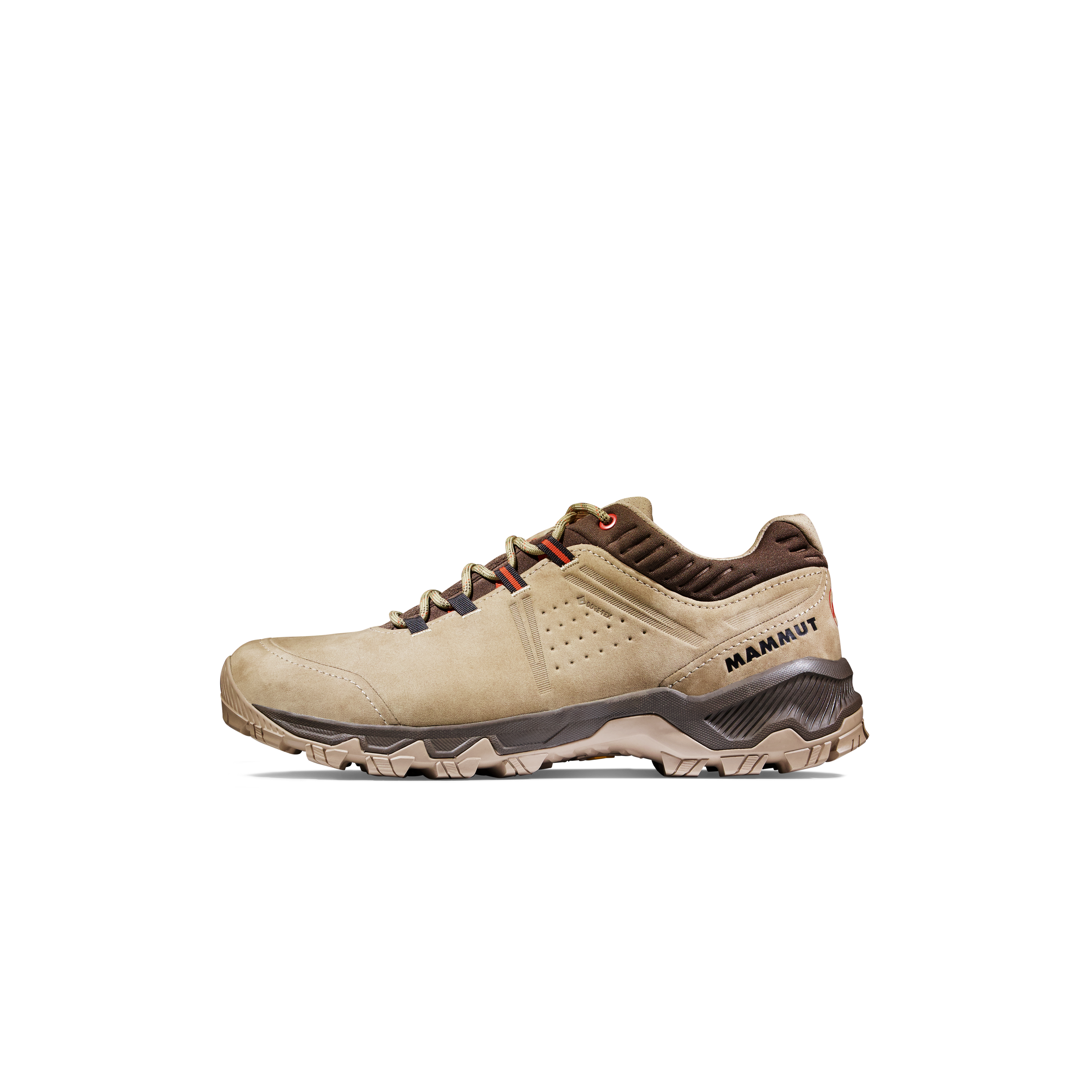
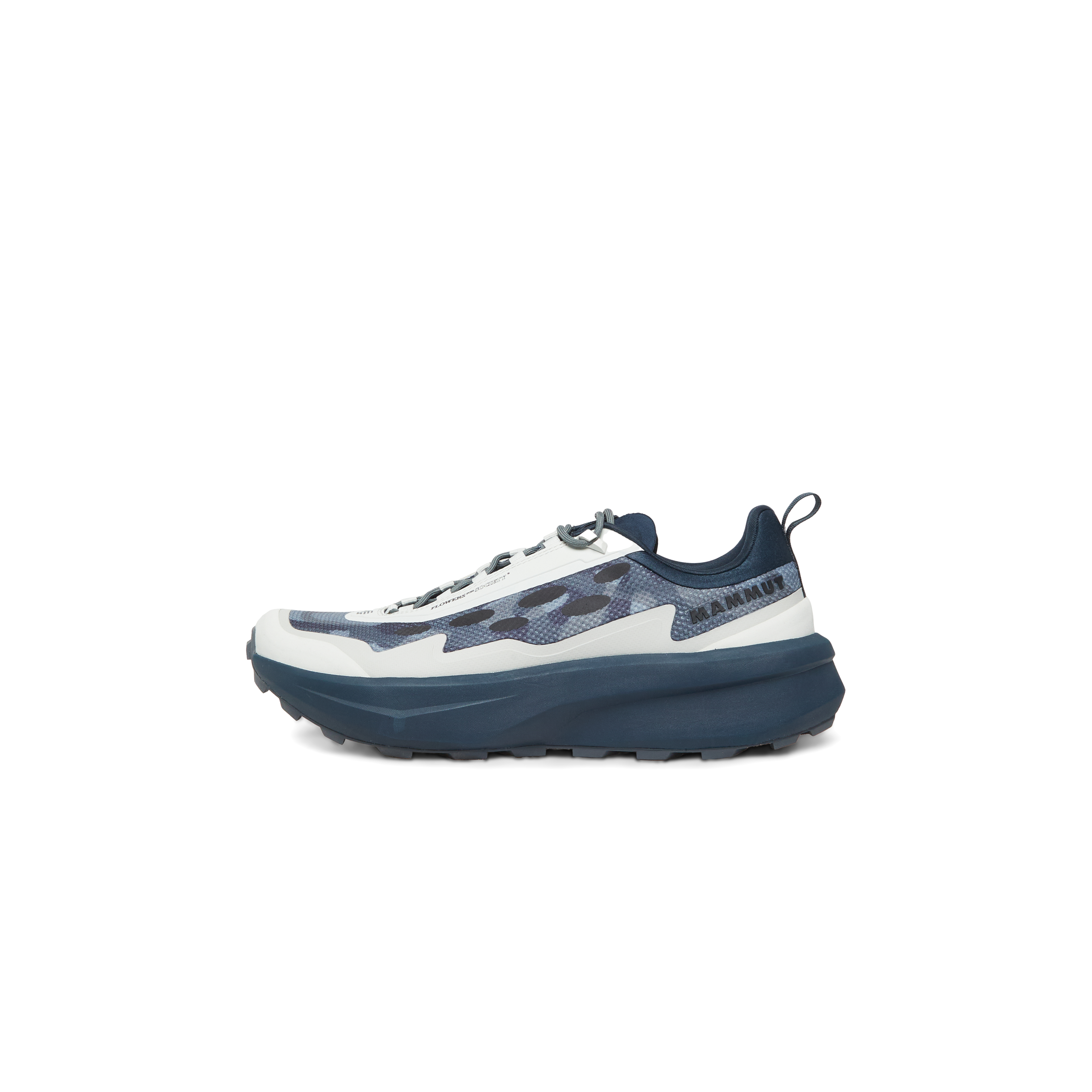
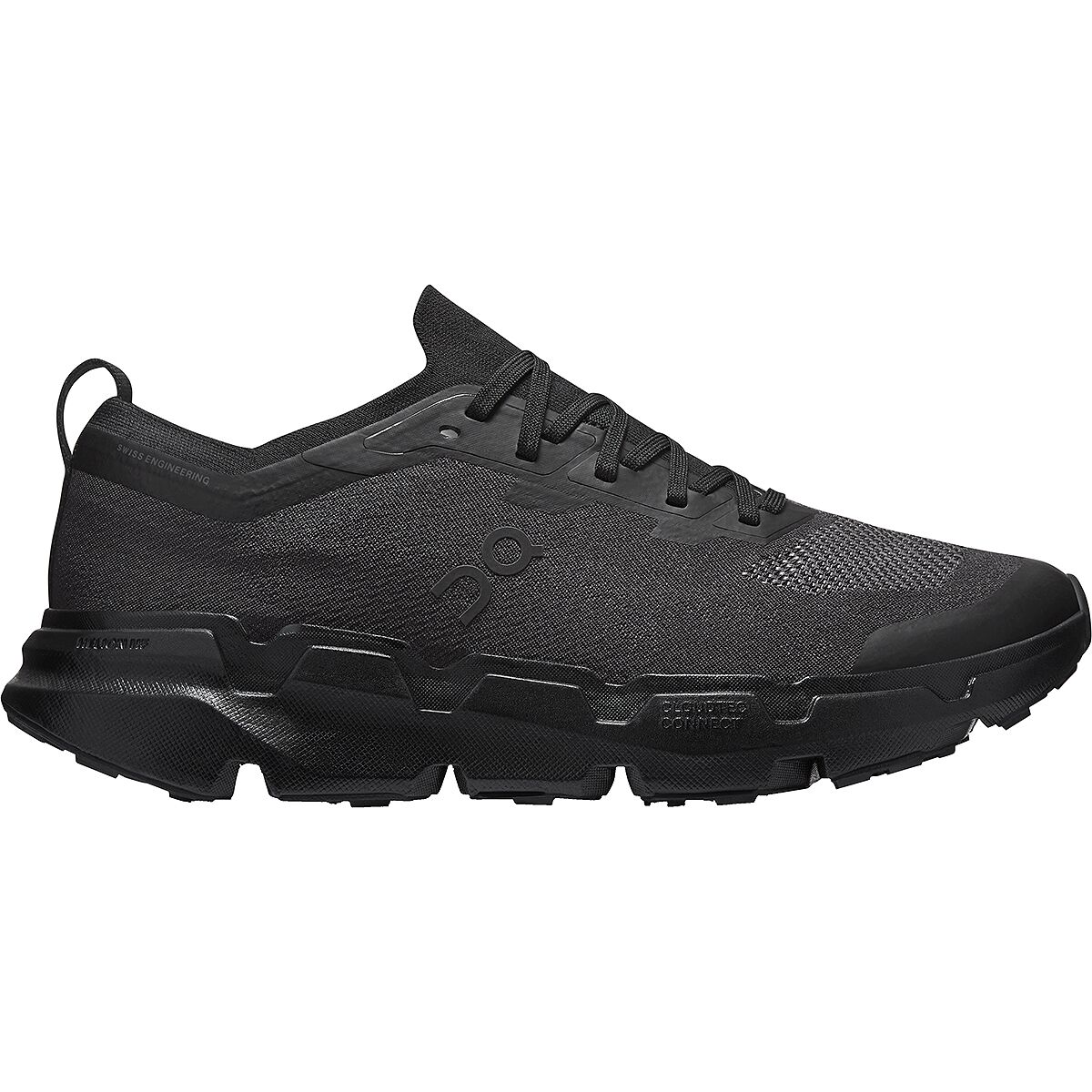
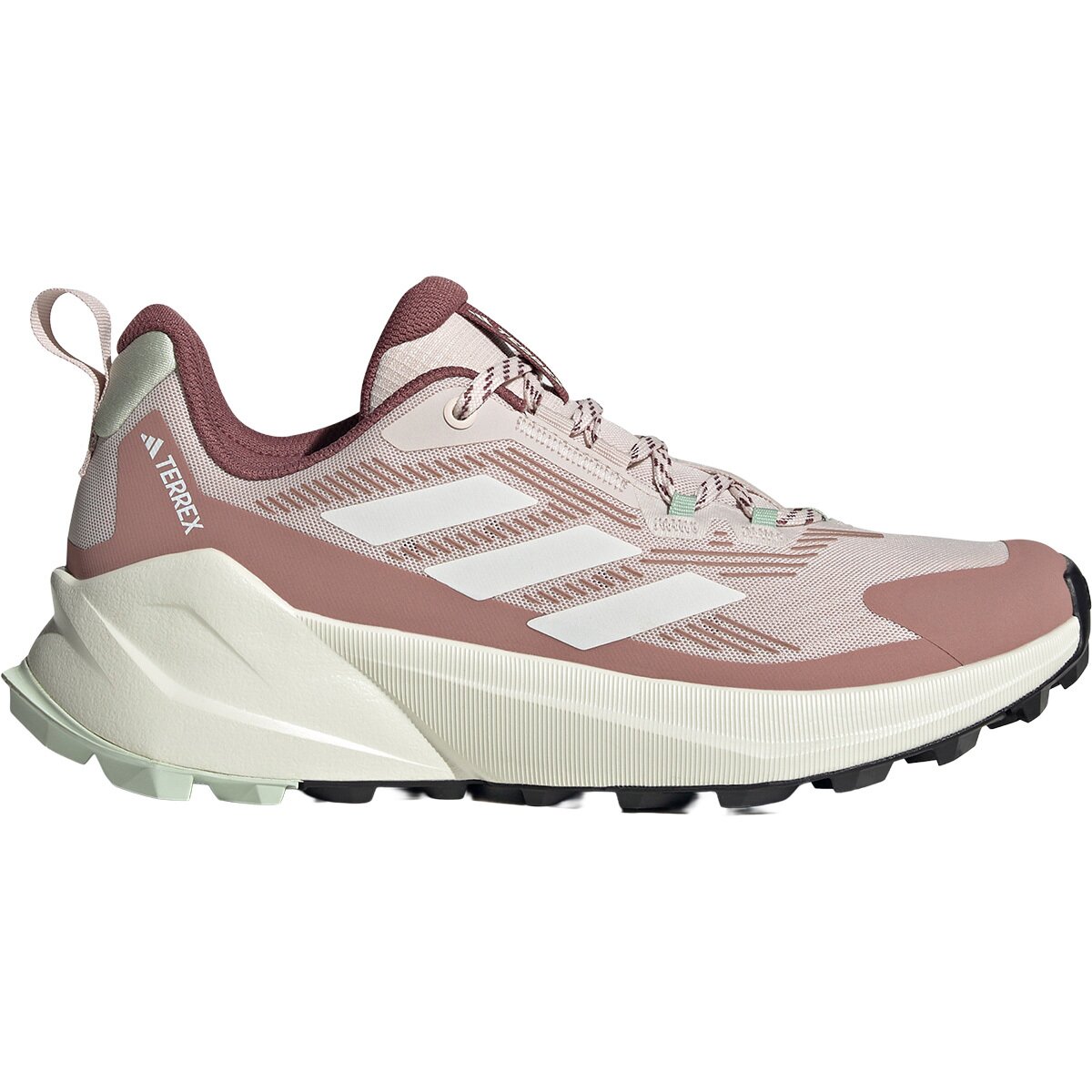
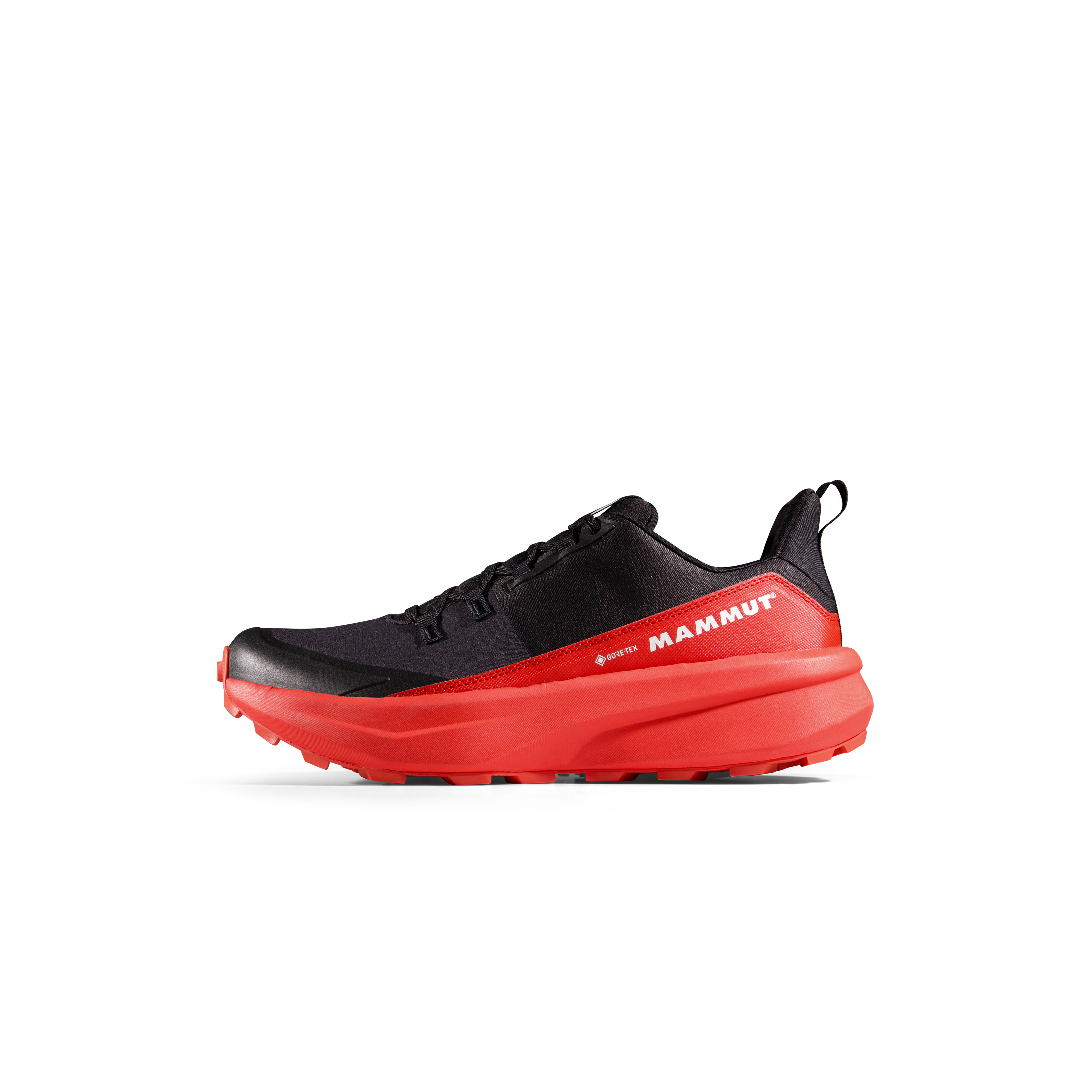
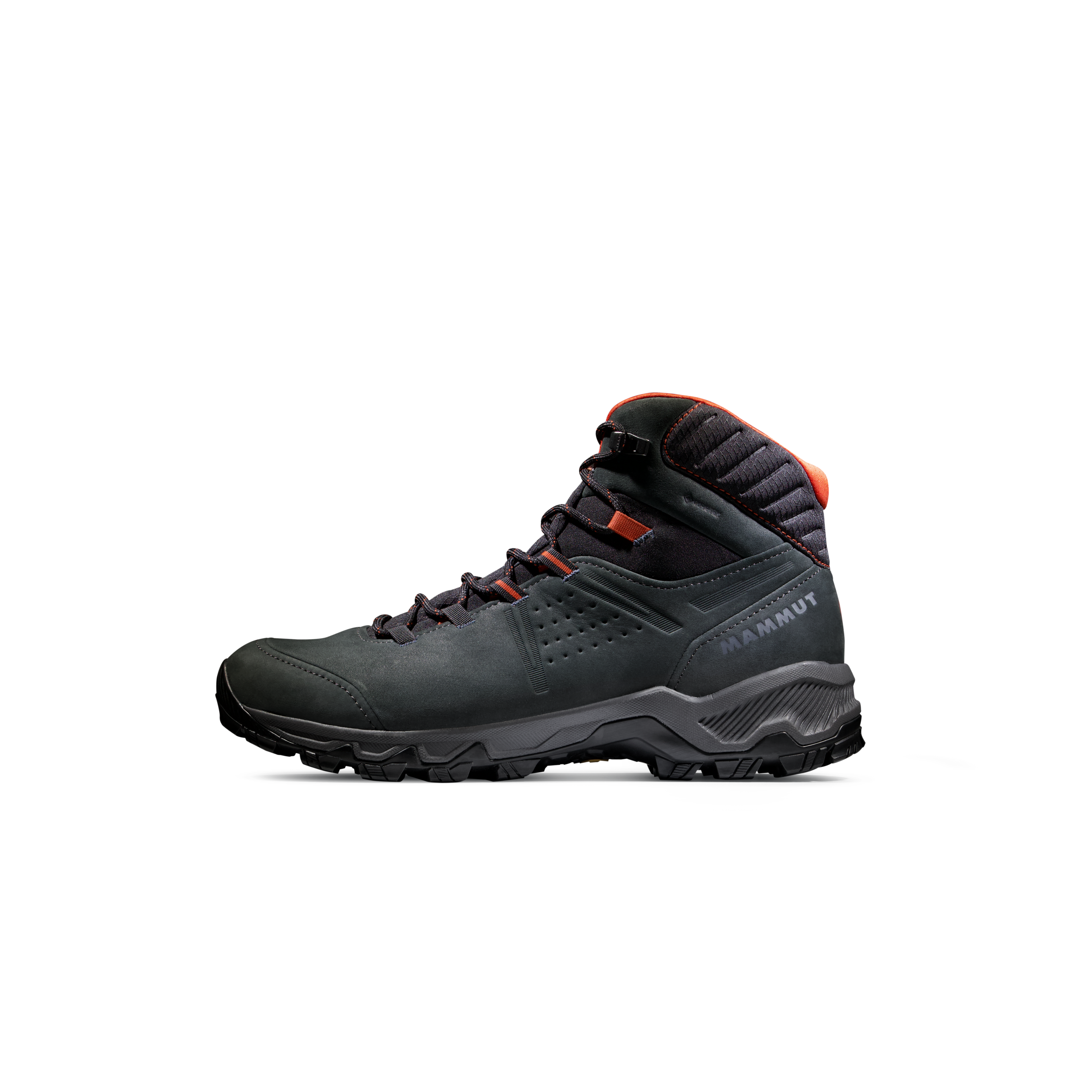
We may earn a commission if you buy through these links, at no extra cost to you. Affiliate disclosure
We may earn a commission if you buy through these links, at no extra cost to you. Affiliate disclosure
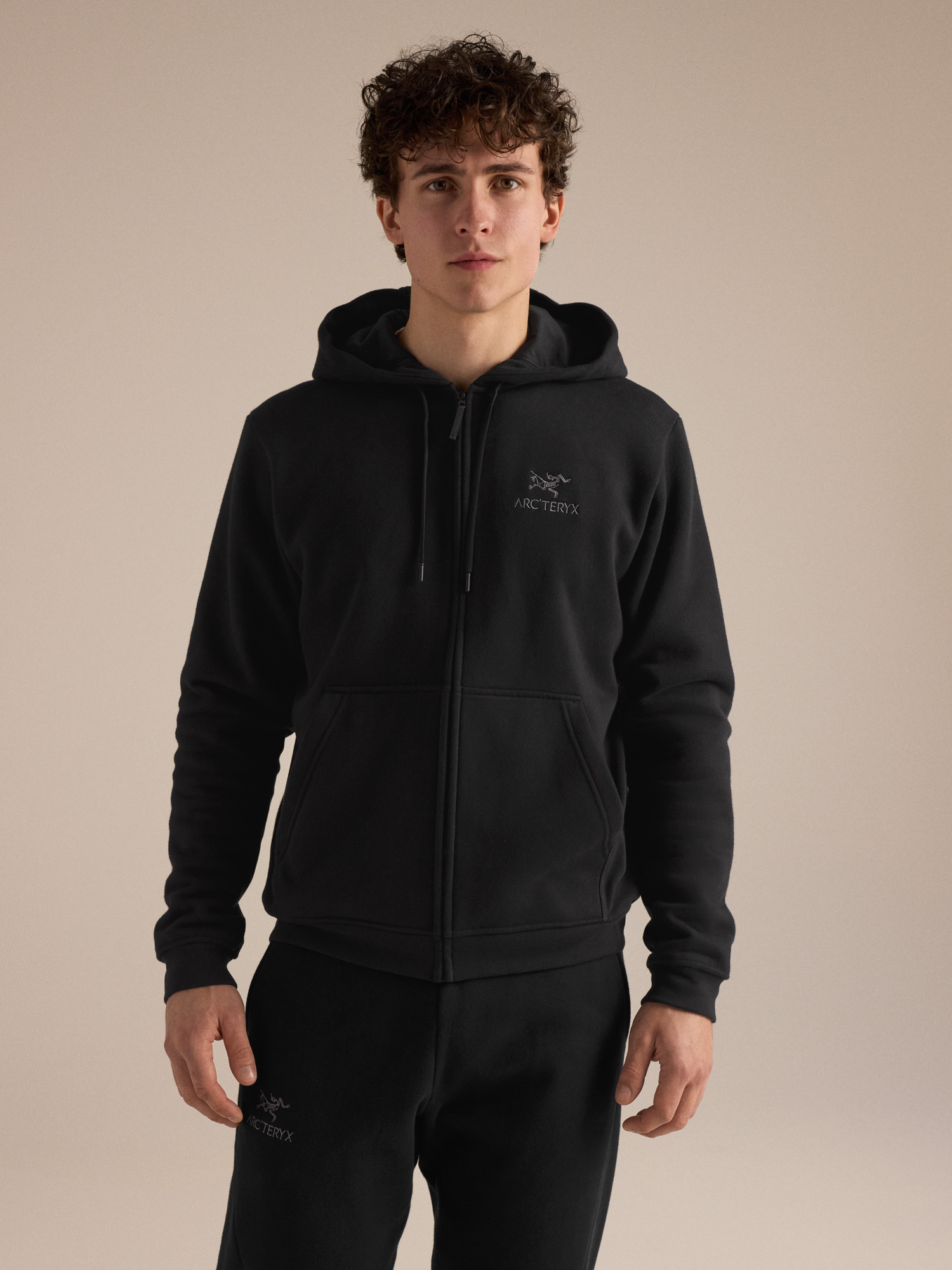
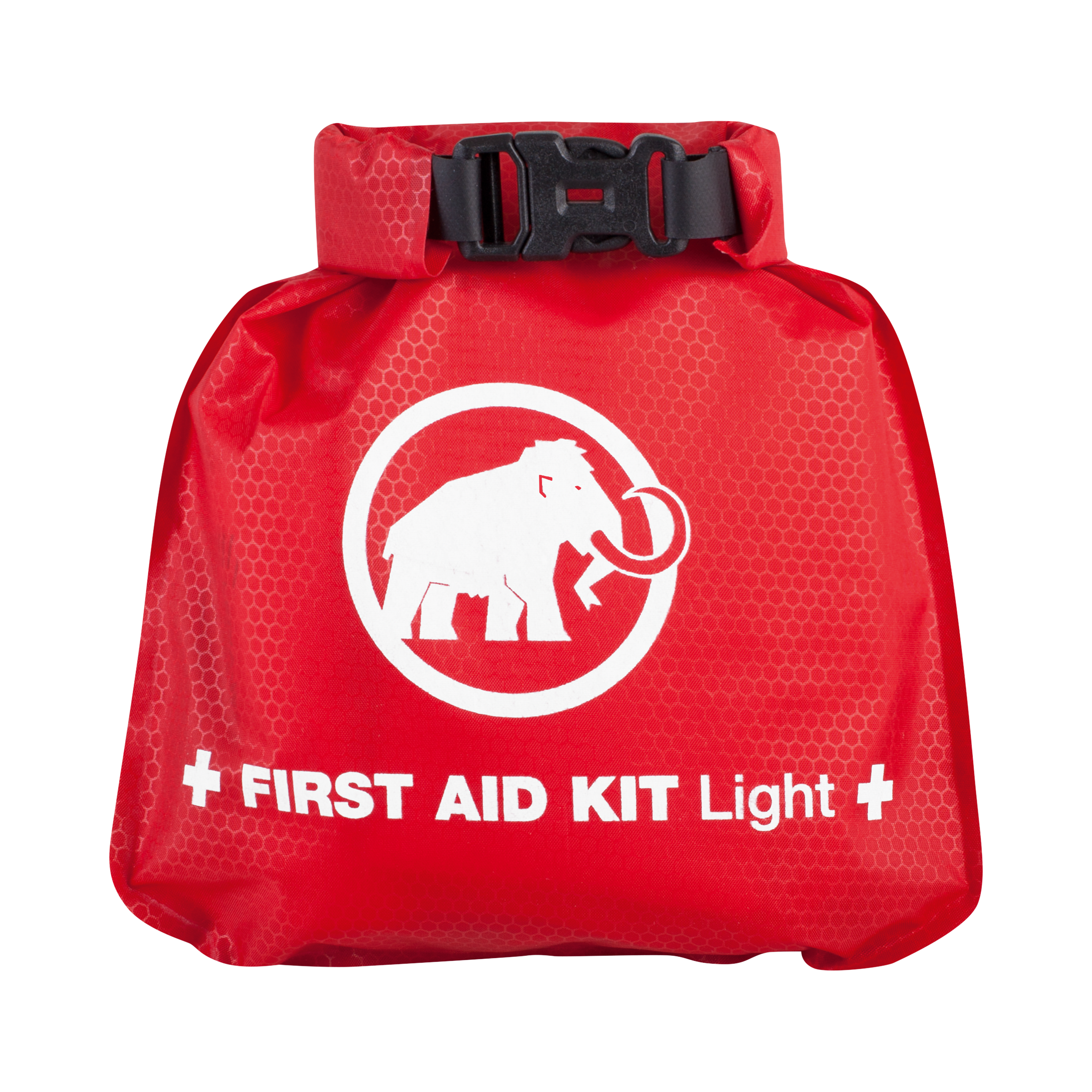

A Good 13er Progression Builds Independence, Not Just Summit Count.
The goal is to become comfortable selecting routes, reading weather, managing turnaround times and moving efficiently without relying on the crowds found on the most popular 14ers.
A Better Colorado 13er Progression Than “Highest to Lowest”
Elevation rank tells you almost nothing about which skill the next summit will demand.
Class 1–2 Hiking
- Sniktau
- Cupid
- Silverheels
- Square Top
- Mosquito Peak
Class 2+ & Route-Finding
- Grizzly Peak A
- Vermilion
- Casco
- Mount Adams
- Gore objectives
Class 3 & Exposure
- Mount Meeker
- Ice Mountain
- Pigeon Peak
- Cathedral
- technical San Juan terrain
Class 4–5 Alpine Peaks
- Jagged
- Teakettle
- Dallas
- Peak Fifteen
- Lizard Head
High-Altitude Sunglasses for Colorado
Long hours above treeline, strong UV, wind and occasional snow glare make eye protection useful across essentially every level of the Colorado 13er progression.
High-Altitude Sunglasses for Colorado
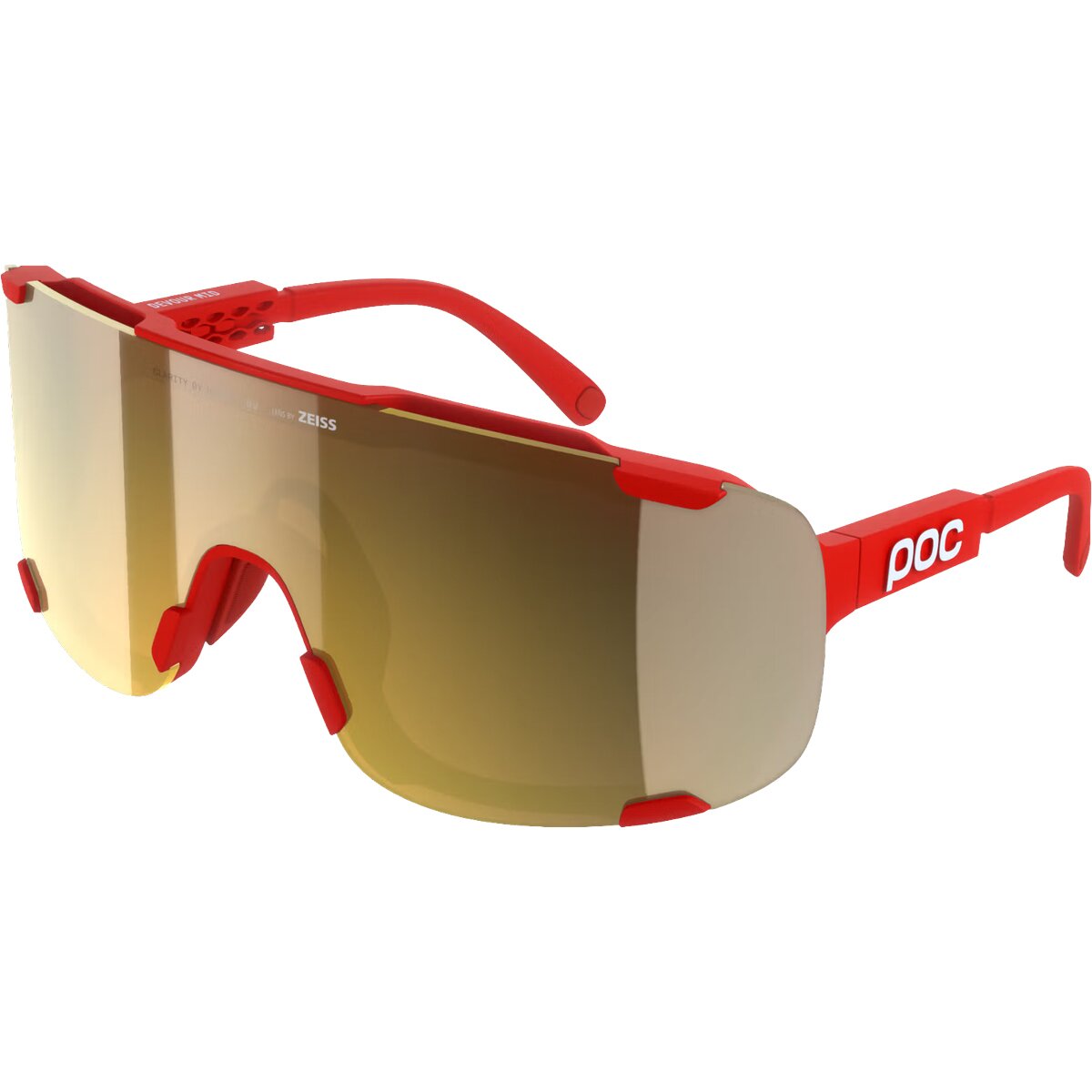

One of Colorado’s Lowest Ranked 13ers Is One of Its Hardest.
Lizard Head destroys the idea that lower elevation equals easier climbing. Its normal route requires technical rock skills, rope systems, rappelling and comfort on notoriously poor rock.
The Technical Colorado 13ers Are a Different Sport
Class 5 summits should never be treated as checklist extensions of ordinary hiking peaks.
| Peak | Elevation | Range | Typical Level | Why It Matters |
|---|---|---|---|---|
| Lizard Head | 13,112′ | San Juan | Class 5 · ~5.7–5.8 | Technical climbing, poor rock, rappel systems and extreme exposure. |
| Jagged Mountain | 13,833′ | San Juan | Class 5 | Remote approach plus serious alpine route-finding. |
| Teakettle Mountain | 13,815′ | San Juan | Class 5 | Technical summit architecture and Yankee Boy Basin access. |
| Dallas Peak | 13,812′ | San Juan | Class 5 | Exposure, route-finding and technical climbing near Telluride. |
| Peak Fifteen | 13,671′ | San Juan | Class 5 | Remote Needle Mountains objective reached through Needleton. |
| Coxcomb Peak | 13,663′ | San Juan | Class 5 | Technical climbing in the rugged Cimarron area. |
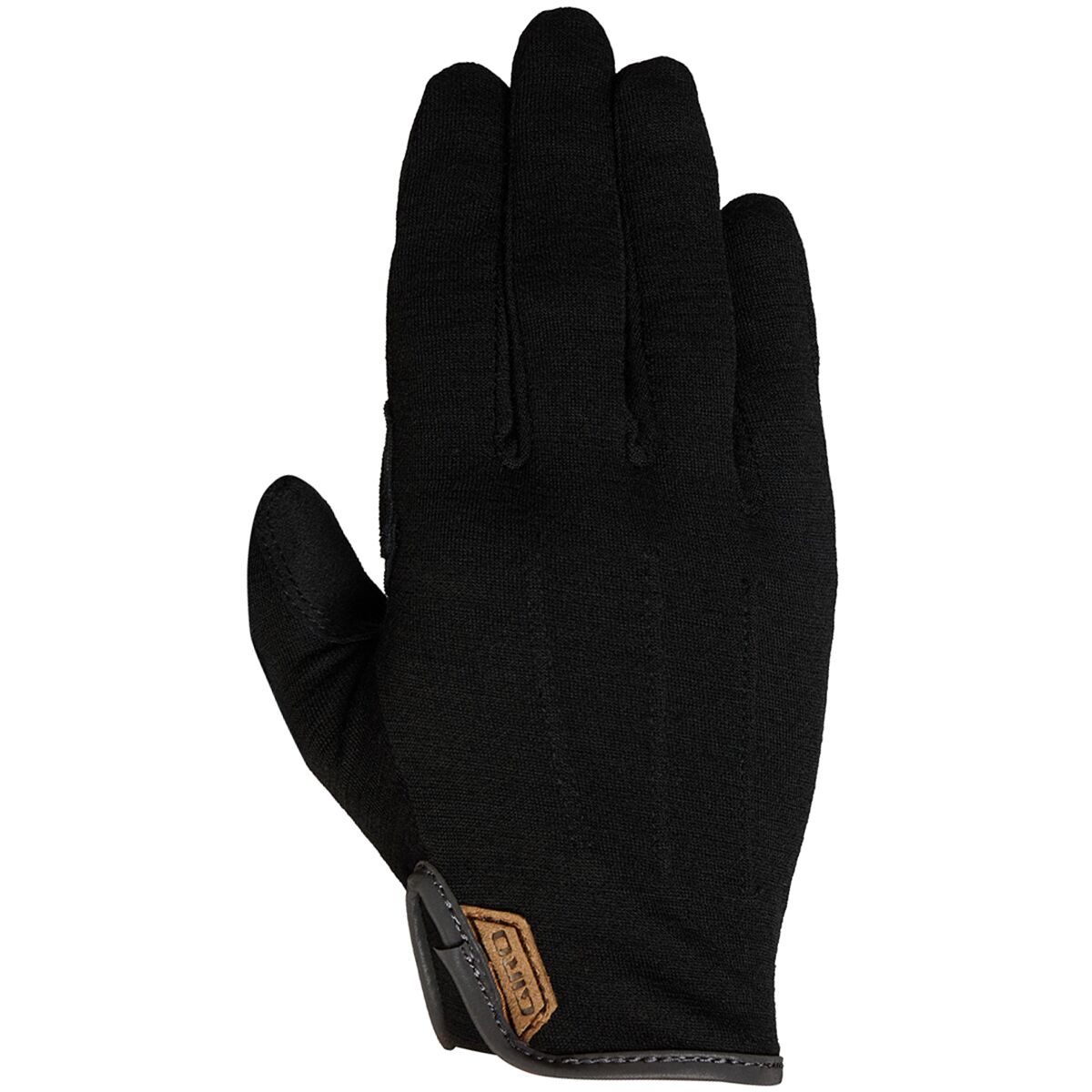
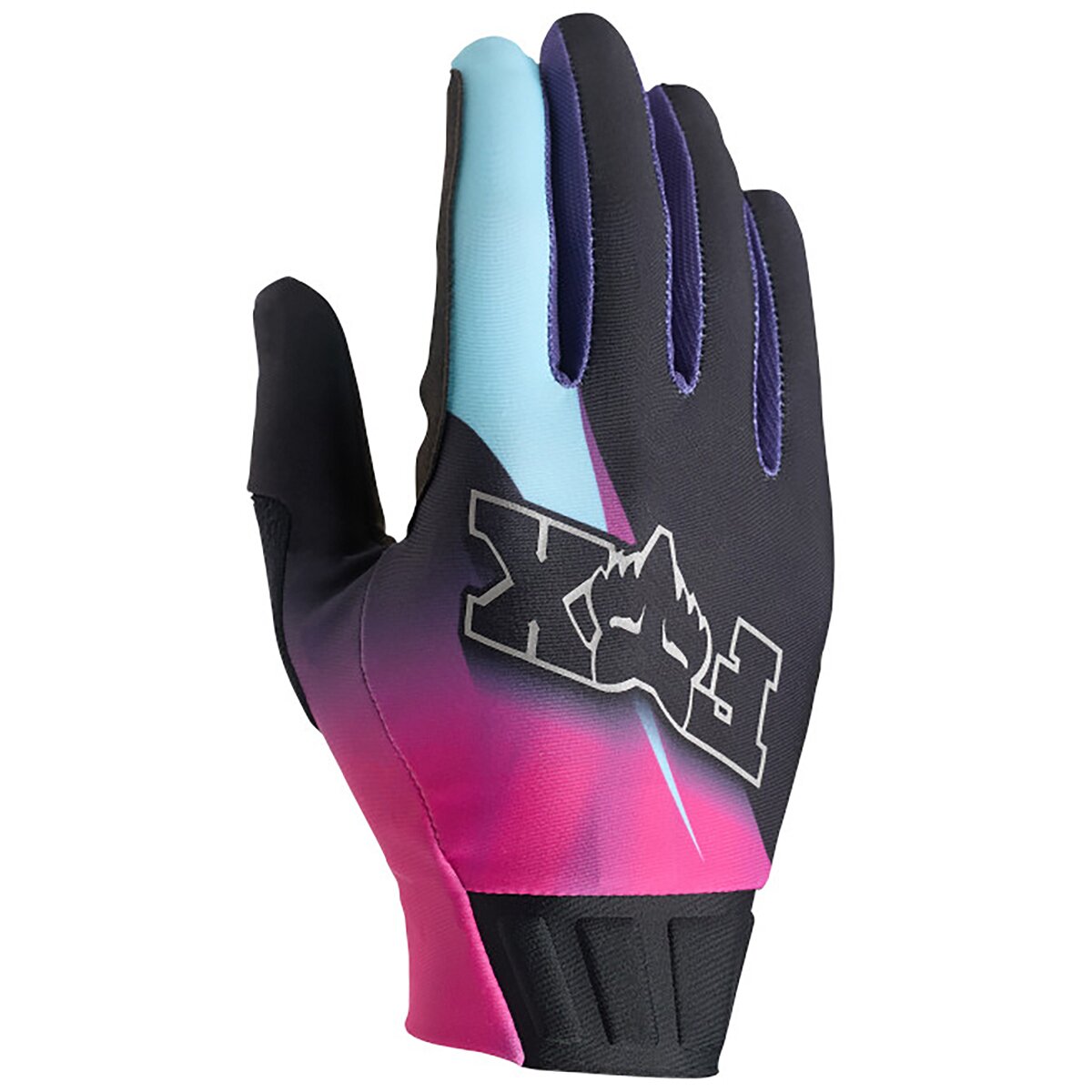
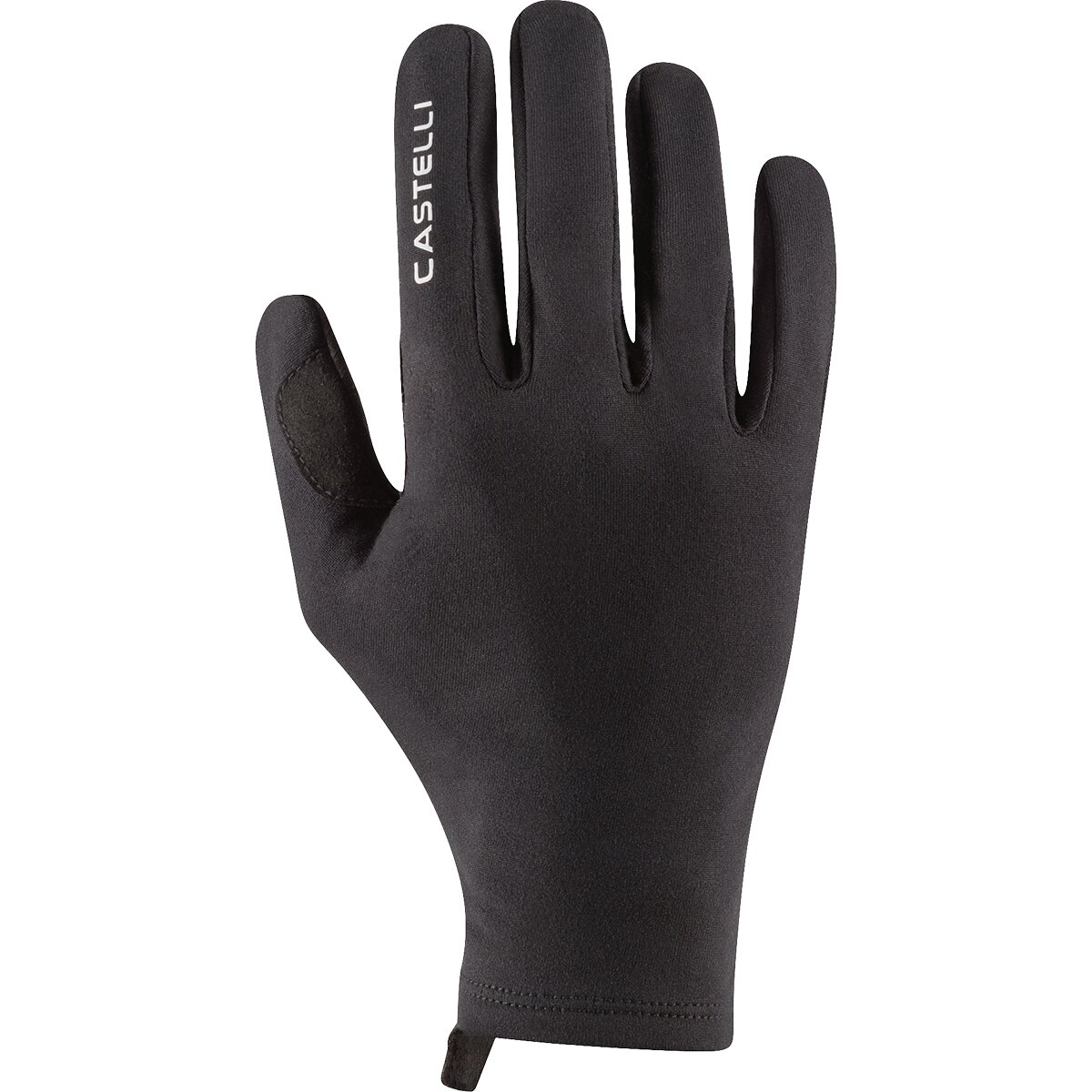
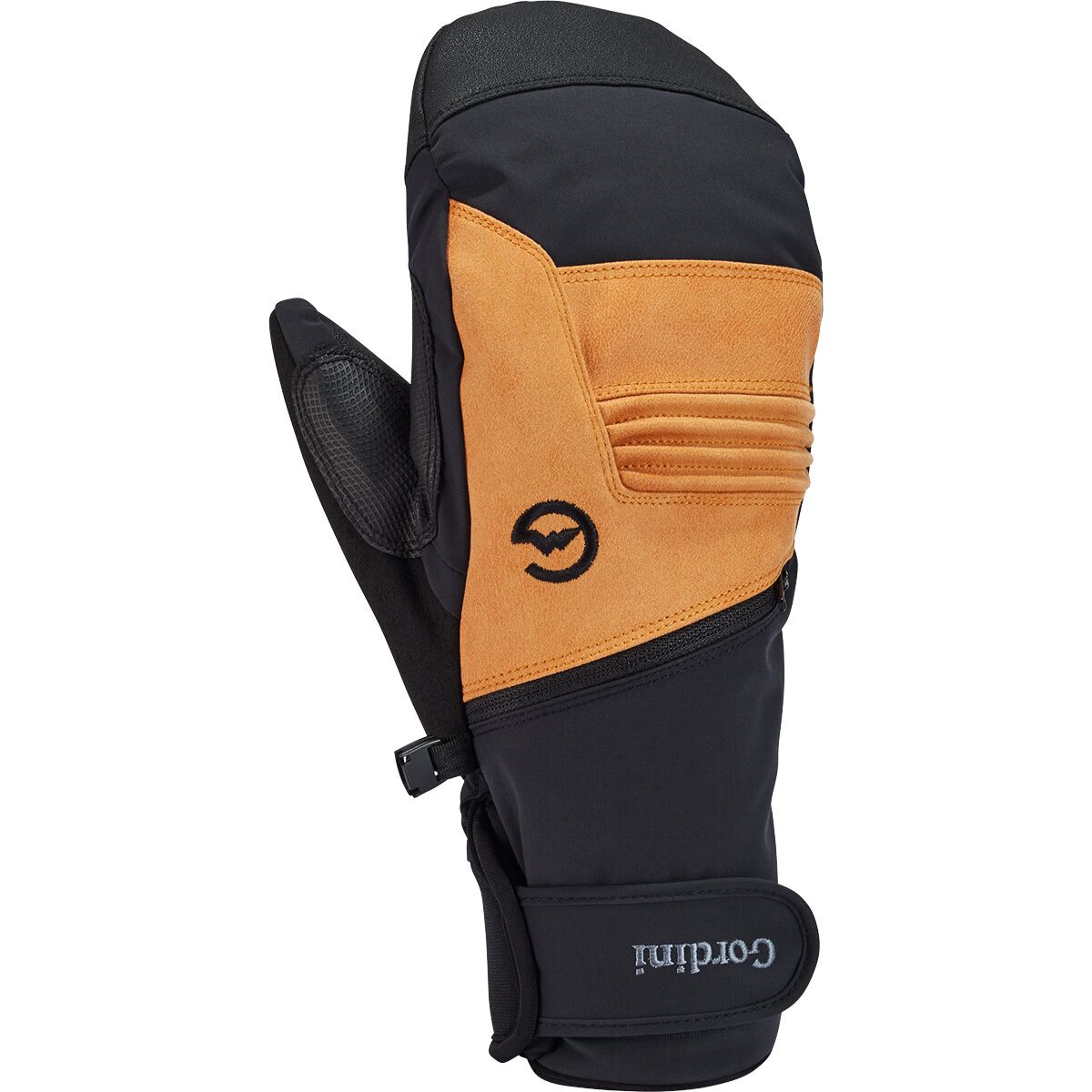
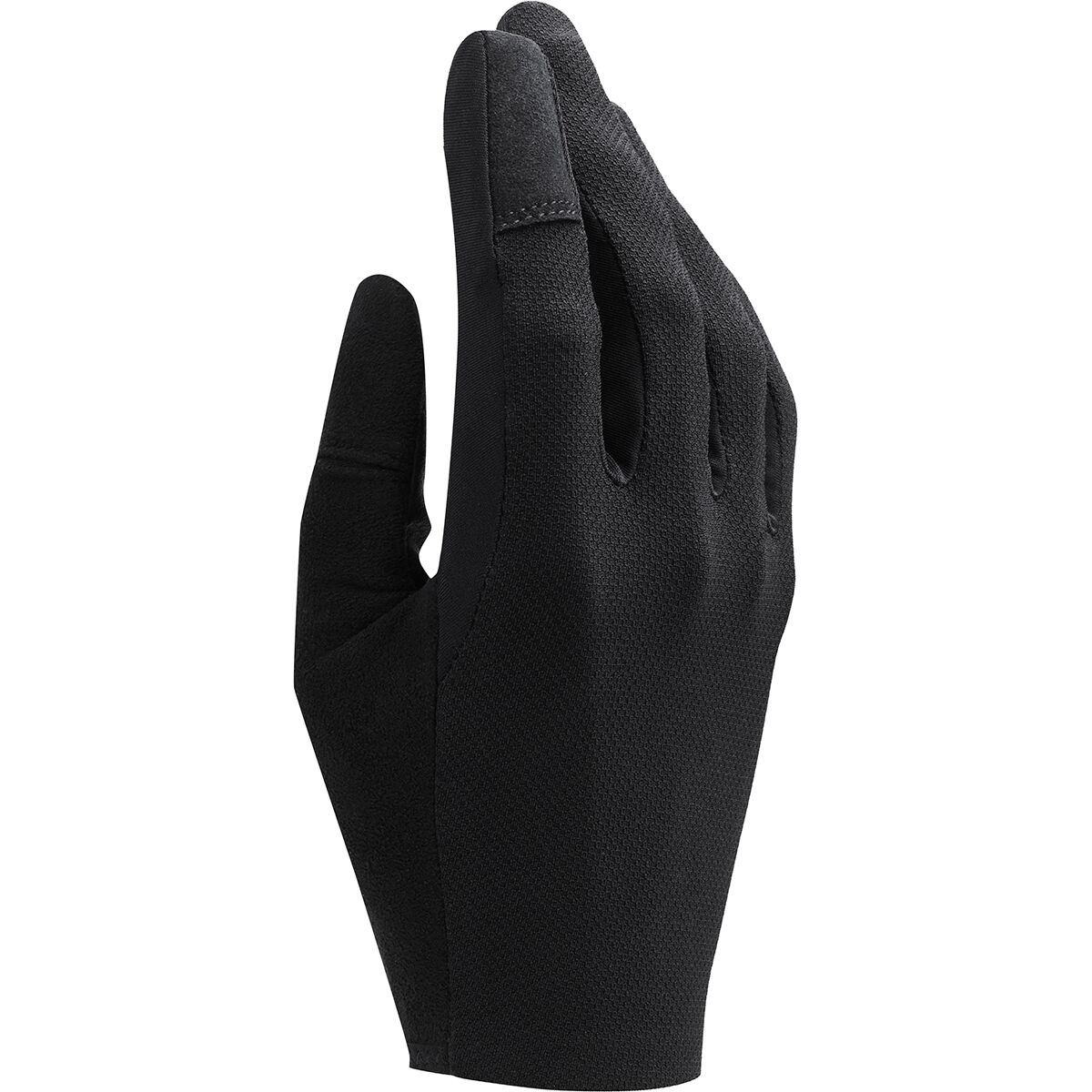
Scrambling & Alpine Gloves
Class 3–5 terrain increases the amount of time your hands spend on rock, anchors, rope and cold summit ridges.
Scrambling & Alpine Gloves
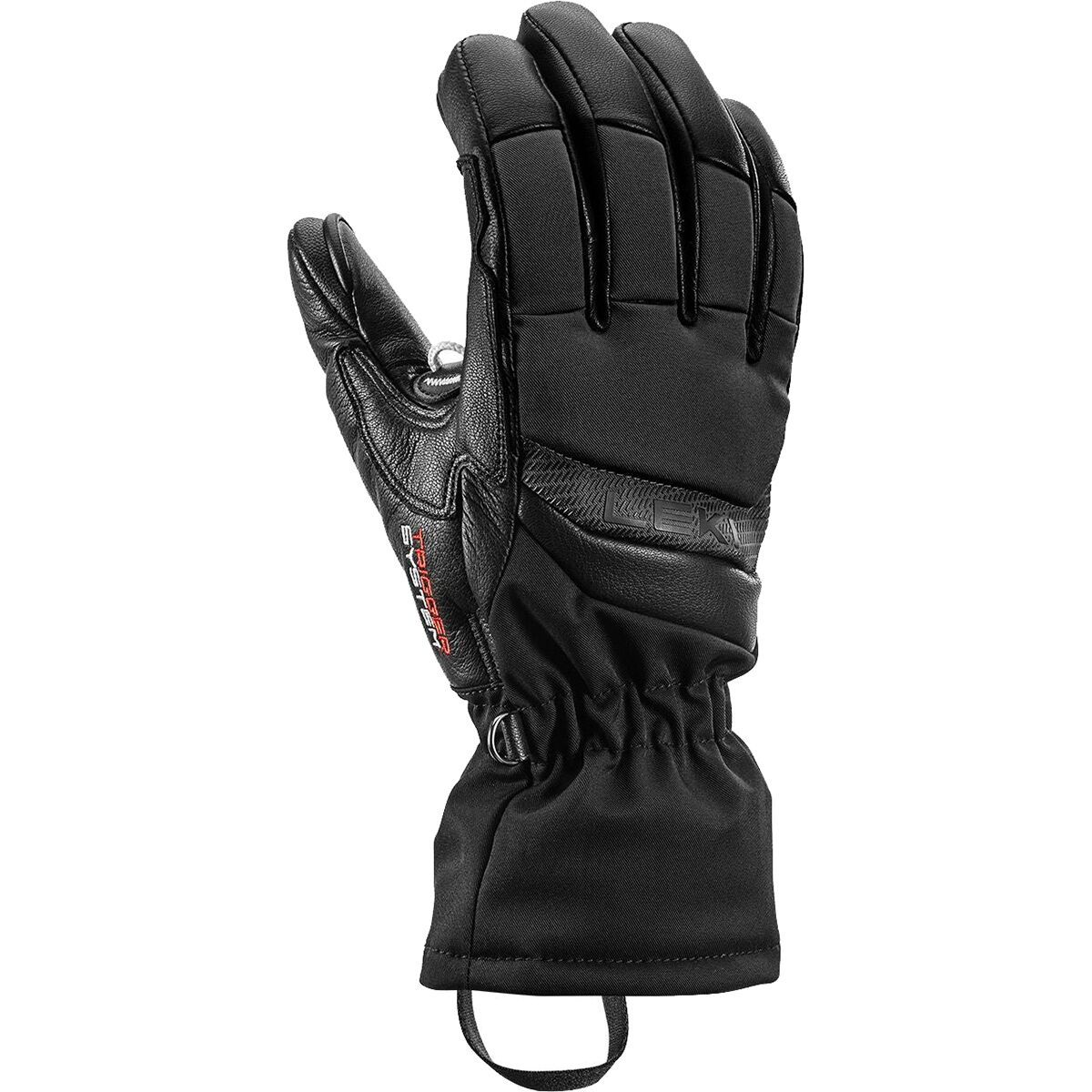
Build the Technical Equipment System Before Choosing a Technical Peak.
Helmet, harness, rope, protection, footwear and descent systems should be chosen around a specific route and skill set.

Once You Leave the Crowded Peaks, Self-Sufficiency Matters More.
Fewer people, weaker trails and more complicated terrain mean that navigation and decision-making become part of the progression long before the climbing becomes technical.
Do the Colorado Centennials Before You Commit to 582 Peaks
The highest 100 ranked Colorado peaks create a much more manageable bridge from the 14ers into serious 13er peakbagging.
Ranked 14ers
The familiar foundation: altitude, Colorado weather, long summit days, exposure and introductory scrambling.
Highest 13ers
Add Grizzly A, Pigeon, Ice, Cathedral, Meeker, Vestal, Jagged and other major peaks.
Colorado Top 100
A serious, finite objective that exposes a climber to far more variety than the 14er list alone.

The Best 13er Project Eventually Stops Being About a Number.
The reward of the deeper list is reaching mountain basins, ridges and corners of Colorado that a 14er-only project can completely miss.
How to Work Through Hundreds of Colorado 13ers Without Wasting Years of Driving
List completion becomes a logistics project long before it becomes a fitness project.
Work by Range
Finish logical clusters instead of bouncing between the Front Range, Sawatch and San Juans based on elevation rank.
Combine Peaks Carefully
Shared ridges can turn two or three summits into a single efficient outing. Never let list efficiency override weather or descent margin.
Match the Vehicle to the Trailhead
Some Colorado 13ers are easy climbs behind difficult roads. Trailhead access can determine the entire plan.
Save Technical Peaks for Later
There is no reward for forcing Jagged, Dallas or Lizard Head before your technical skills are ready.
Keep a Live List
LiDAR updates, name revisions and prominence corrections mean the exact completion inventory can change.
Build Around Weather
A flexible range list lets you change objectives when monsoon, smoke, snow or access problems make the original peak unwise.
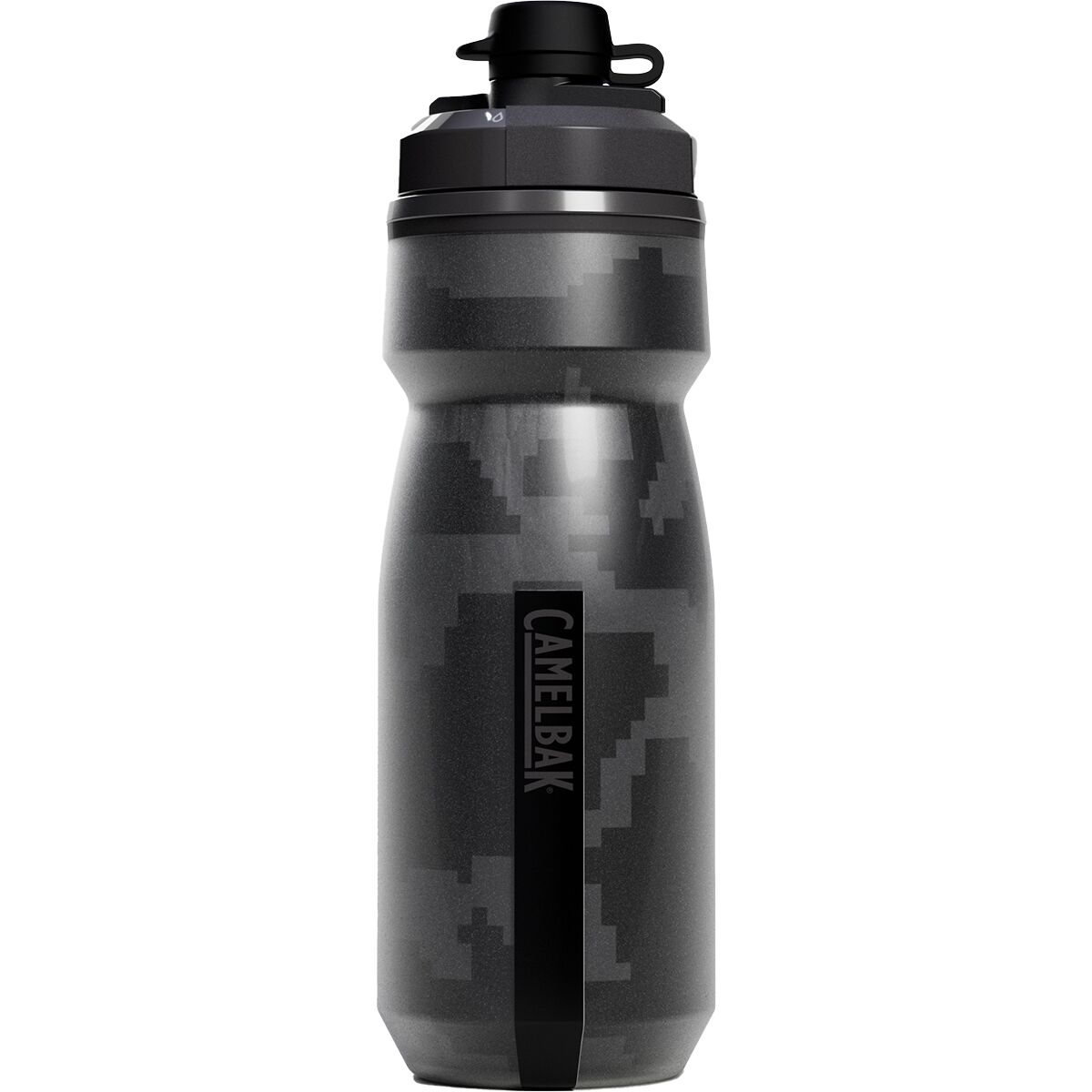
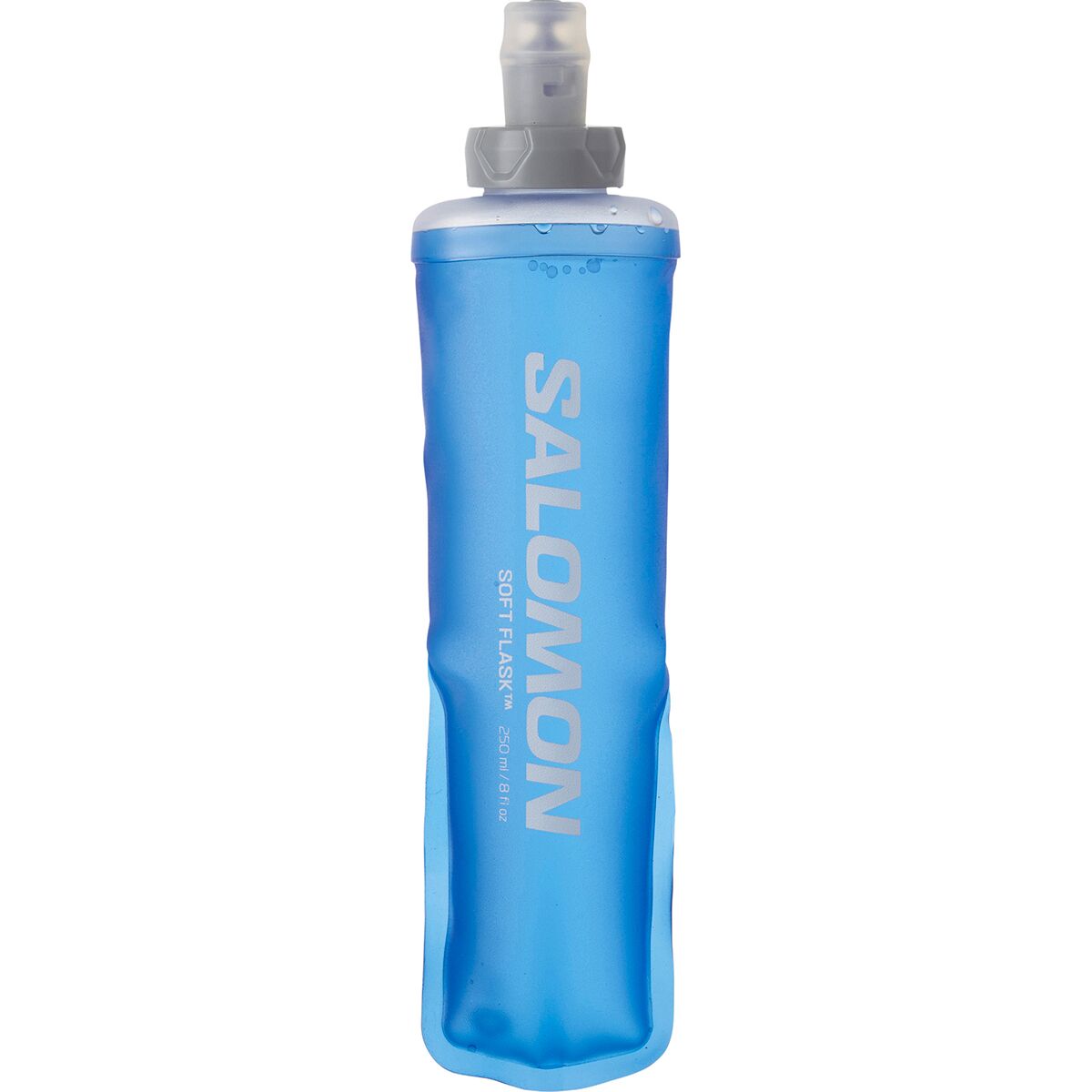
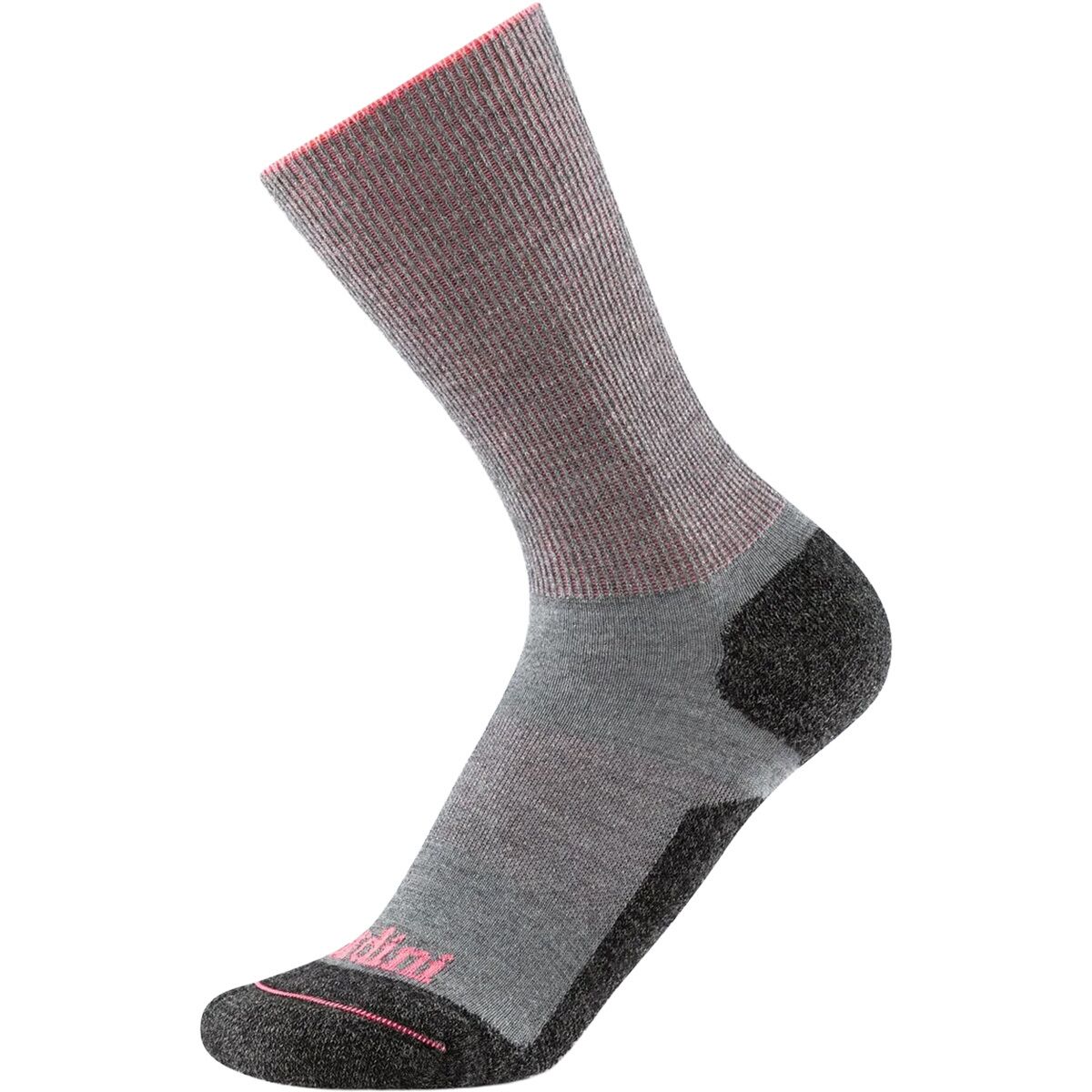
13er Day-Hike Gear Under $60
A long peakbagging project rewards simple, repeatable equipment: backup light, hydration and fresh socks will be useful dozens of times.
13er Day-Hike Gear Under $60

Compare Colorado’s Deep List With Other Peakbagging Projects.
State highpoints, county highpoints, 14ers and other summit lists offer very different levels of commitment.
Colorado 13ers Cover Nearly Every Major Mountain Range in the State
The geographic spread is what turns the complete list into a long-term Colorado exploration project.
Colorado 13ers FAQ
The questions that matter before turning the 13er list into a long-term objective.
How many 13ers are there in Colorado?
Global Summit Guide uses 582 ranked Colorado 13ers under the current Colorado-specific 300-foot prominence system. Different databases may show slightly different totals because LiDAR elevation revisions, prominence calculations and list definitions differ.
Why do some older sources say Colorado has 637 peaks over 13,000 feet?
The 637 figure is an older count. Modern elevation measurements, LiDAR analysis and revised prominence calculations have changed which peaks qualify as independently ranked summits.
What is the highest Colorado 13er?
Grizzly Peak A in the Sawatch Range is currently listed at approximately 13,997 feet, placing it immediately below Colorado’s ranked 14ers.
What is the easiest Colorado 13er for a beginner?
Mount Sniktau is one of the strongest first choices. It begins at paved Loveland Pass, stays on comparatively straightforward terrain and provides a short introduction to Colorado’s high alpine environment.
Are Colorado 13ers easier than 14ers?
No. Elevation alone does not determine difficulty. Many Colorado 13ers are easy Class 1 or 2 hikes, while others involve exposed scrambling, long remote approaches or Class 5 technical rock climbing.
What is the hardest Colorado 13er?
Lizard Head is widely considered one of the most technically difficult ranked Colorado 13ers by its easiest recognized route. Its normal climb is approximately 5.7–5.8 technical rock on notoriously poor rock.
Which Colorado 13ers are Class 5?
Current Colorado-specific lists include technical peaks such as Jagged Mountain, Teakettle Mountain, Dallas Peak, Peak Fifteen, Coxcomb Peak and Lizard Head. Route ratings and conditions should always be checked before climbing.
What should I climb after finishing the Colorado 14ers?
The Colorado Centennials are the cleanest next objective. They add the highest 47 ranked 13ers to the 53 ranked 14ers, creating a 100-peak progression before committing to hundreds of additional summits.
Can I climb several Colorado 13ers in one day?
Yes. Many 13ers share ridges, passes or trailheads. Loveland Pass is a classic example, where Sniktau, Cupid and Grizzly Peak can be connected by experienced hikers in suitable conditions.
Do Colorado 13ers require permits?
Most do not have a dedicated summit-permit system, but specific trailheads, wilderness areas, national parks, private land and parking areas can have reservations, fees or access restrictions. Check the land manager for the exact route.
What is a Colorado Centennial?
A Colorado Centennial is one of the state’s 100 highest ranked peaks. After the 53 ranked 14ers, the next 47 peaks are high 13ers.
The List Is Stable Enough to Plan—But Not Frozen Forever
List membership, unofficial names, elevation and prominence can change as better data becomes available.
Climb13ers
Current Colorado-specific ranked inventory, range, route difficulty, trailhead and LiDAR-adjusted peak information.
Peakbagger
Independent peak database using the same general 300-foot prominence concept but a slightly different current ranked inventory.
Class-Based 13er Inventory
Useful for separating Class 1–2 peakbagging from Class 3, Class 4 and Class 5 objectives.
Colorado 14ers
Use the 14er page for Colorado’s ranked 14,000-foot peaks, beginner progression and 14er-specific planning.
Don’t Stop at the List—Choose the Next Layer of the Project
A 582-peak inventory only becomes useful when it leads to the next concrete objective.
The 14ers Are a Challenge. The 13ers Are a Mountain Education.
Finishing Colorado’s 14ers teaches you the state’s famous mountains. Exploring the 13ers teaches you the ranges themselves.
Start with Sniktau, Cupid and straightforward Class 2 peaks. Move into the Centennials. Build route-finding and Class 3 competence. Save the Class 4–5 objectives for when the skills—not the checklist— say you are ready.
Don’t begin by asking “How do I climb all 582?” Begin by asking “Which five should I climb next?”
Find Your First 13er Explore Colorado 14ers More Peakbagging ChallengesWas this helpful?
🏔Related peaks nearby
🧭Explore & compare
Global Summit Guide is an independent mountaineering resource founded in 2026. The team combines first-hand trekking and climbing experience with in-depth research and professional health and nutrition review to help climbers choose objectives, prepare properly, and stay safe.
Health, altitude, and nutrition content is reviewed by Taylor Ludlow (Registered Nurse) and Brigg Hoopes (Nutritionist).
What We Don't Know Yet
Mountain information changes quickly. This box explains the limits of what this page can responsibly promise.
- Visa, passport, vaccination, border, insurance, and local transportation rules may change before your trip.
- Route conditions, snowpack, closures, and weather can change quickly after this page is updated.
- Permit rules, fees, quotas, and reservation windows may change between review cycles.
- Operator availability, pricing, guide ratios, and cancellation terms can change by season.
- Your fitness, altitude response, risk tolerance, and experience level may change what is safe or realistic.
Verify current conditions with official land managers, guide services, local forecasts, and current route reports before booking or climbing.
Mountaineering, rock and ice climbing, glacier travel, and high-altitude activity are inherently dangerous and can result in serious injury or death. The information on Global Summit Guide is provided for general informational and educational purposes only and is not a substitute for professional instruction, qualified guiding, proper equipment, or your own judgment and experience.
Route conditions, weather, snowpack, permits, regulations, and hazards change constantly and may differ from what is described here. Details may be incomplete, out of date, or contain errors. Always verify current information with local authorities, certified guides, and official sources before making any decision in the mountains.
Nothing on this site is medical, legal, or financial advice. Our fitness, acclimatization, altitude, and nutrition content is general in nature; consult a qualified physician before beginning any strenuous exercise program or exposing yourself to high altitude.
You are solely responsible for your own safety and decisions. To the fullest extent permitted by law, Global Summit Guide and its team accept no liability for any loss, injury, damage, or expense arising from use of, or reliance on, this information. By using this site you acknowledge these risks and accept these terms.
Some links on this site may be affiliate links. If you buy through them we may earn a small commission at no extra cost to you; this never affects our recommendations.
Global Summit Guide recommendation path
Next Best Mountain to Research
Use these recommendations to continue the right planning path instead of stopping on one page.
Use current permit, weather, route, and operator information before booking or climbing.