Last updated October 9, 2026

Camino Primitivo vs Camino del Norte: Which Harder Camino Should You Walk?
Choose the Camino Primitivo if you want a concentrated two-week pilgrimage where mountains, weather and the historic Original Way define the journey. Choose the Camino del Norte if you have five or six weeks and want a much longer Atlantic pilgrimage through the Basque Country, Cantabria, Asturias and Galicia with repeated hills, coastal scenery and more total endurance.
Primitivo Is Steeper. Norte Is the Bigger Endurance Test.
Choose the Camino Primitivo when you want the harder route per day. Asturias gives it repeated climbing, mountain weather, long descents and the famous Hospitales decision. It is roughly 300–320 km from Oviedo and normally fits into about two weeks.
Choose the Camino del Norte when you want the harder journey in total. From Irún it is roughly 820–850 km, normally takes five to six weeks, and repeats the same basic physical problem for more than a month: descend toward the sea, climb away from it, then do it again.
If you ask only “Which has tougher mountain walking?”, the answer is generally Primitivo. If you ask “Which requires more endurance and life commitment?”, the answer is clearly Norte.
Do Not Compare These Routes With One Difficulty Number.
Both routes are routinely described as among the harder major Caminos. That is true—but incomplete.
The Primitivo compresses its challenge. You leave Oviedo and quickly enter a route shaped by rural Asturias, repeated gradients, mountain weather and exposed choices such as Hospitales.
The Norte spreads the challenge across an enormous distance. The Basque coast can be physically demanding immediately, Cantabria continues the rolling pattern, Asturias keeps it going and Galicia only arrives after weeks of accumulated mileage.
That means a strong hill walker with two weeks may be happier on the Primitivo, while a less mountain-oriented walker with excellent long-distance endurance may prefer the Norte.
Decide Whether You Want Intensity or Duration.
Then compare weather, lodging, crowds, scenery and how much flexibility you need.
Camino Primitivo vs Camino del Norte
The Primitivo asks more from each mountain day. The Norte asks you to keep walking for several additional weeks.
| Factor | Camino Primitivo | Camino del Norte |
|---|---|---|
| Classic start | Oviedo. | Irún. |
| Approx. distance | ≈300–320 km. | ≈820–850 km. |
| Typical time | 12–15 days. | 34–40 days. |
| Core identity | Oldest route · rural · mountainous. | Atlantic · coastal · long-form pilgrimage. |
| Technical difficulty | Non-technical walking. | Non-technical walking. |
| Main physical problem | Steeper terrain, repeated climbing and mountain exposure. | Repeated rolling terrain sustained for five to six weeks. |
| Signature challenge | Hospitales decision and Asturian mountain rhythm. | Basque opening + thousands of small Atlantic climbs. |
| Coast | Not a coastal Camino. | One of the route’s defining attractions. |
| Mountain feel | Stronger. | Frequent hills rather than one sustained mountain identity. |
| Weather | Mountain fog, wind, rain and cold matter. | Atlantic rain, humidity and wind repeat over a longer trip. |
| 2025 pilgrims | 27,873 · 5.25%. | 21,521 · 4.05%. |
| Social feel | Small route community; friendships form quickly. | More dispersed because walkers are spread across 800+ km. |
| Lodging flexibility | Good enough, but bottlenecks matter in mountain sections. | More uneven over the full route; tourist coast can complicate summer lodging. |
| Best broad season | June and September; May and July can also work. | June–September, with May a strong alternative. |
| Merge with Francés | Melide. | Arzúa. |
| Best reason to choose | Mountain challenge + Original Way history. | Atlantic scenery + five-week pilgrimage depth. |
Camino Primitivo
Asturias puts more climbing, weather awareness and mountain consequence into a much shorter route.
Camino del Norte
Five or six weeks of rolling coast creates a much larger endurance and recovery problem.
Camino Primitivo
Few Caminos fit this much route identity and physical challenge into roughly fourteen days.

The Norte Looks Coastal. Your Legs Experience It as Repeated Vertical.
The route repeatedly drops toward beaches, harbors and estuaries before climbing back onto headlands and inland ridges. No single hill needs to be enormous for the accumulated effort to become substantial after several weeks.
Camino del Norte near Zarautz · José Antonio Gil Martínez / Wikimedia Commons · CC BY 2.0.Primitivo Feels Ancient and Concentrated. Norte Feels Like a Long Atlantic Journey.
Both eventually reach Santiago, but the weeks before that arrival tell very different stories.

The Original Way With a Mountain Edge.
The Primitivo is associated with Alfonso II and the earliest royal pilgrimage tradition to Santiago. That history matters because the route still feels less like a developed corridor and more like a line through country.
The route is short enough that its identity never becomes diluted. Asturias shapes the first half; Galicia softens the walking without erasing the rural character.

Four Regions and More Than a Month Beside the Atlantic.
The Norte begins at Irún and immediately moves through one of its physically strongest sections toward San Sebastián and Bilbao. Cantabria, Asturias and Galicia then keep changing the route.
Five weeks creates a deeper sense of progression. San Sebastián, Bilbao, Santander and the Asturian coast become chapters rather than individual stops.
The Answer Changes Depending on Whether You Measure Terrain or Time.
This is the central question the page should answer better than generic Camino rankings.
| Difficulty measure | Primitivo | Norte |
|---|---|---|
| Harder daily terrain | Winner. More consistently mountain-shaped. | Rolling and tiring but usually less concentrated. |
| Total distance | ≈320 km. | ≈820–850 km. |
| Total trip fatigue | High but compressed. | Much greater. |
| Exposed route decision | Hospitales. | No equivalent single signature high-route choice. |
| Repeated coastal rollers | Not defining. | Defining. |
| Mountain weather sensitivity | Greater. | Atlantic weather matters for much longer. |
| Footwear durability | Important. | More cumulative mileage. |
| Mental endurance | Two-week commitment. | Five- to six-week commitment. |
| Overall verdict | Harder hiking route. | Harder total pilgrimage. |
“Hard” on the Camino means repeated walking effort, steep gradients, wet trail, weather exposure, recovery demands and less logistical forgiveness. You do not need ropes, crampons or alpine climbing skills.
Hospitales Is a Weather Decision, Not a Badge of Honor.
The high route after Borres is one of the iconic lines of the Primitivo. In clear, stable conditions it can be magnificent. In poor visibility, strong wind, storms or wintry conditions, the lower route through Pola de Allande can be the better choice.
Camino Primitivo, Asturias · Simon Burchell / Wikimedia Commons · CC BY-SA 4.0.Hospitales Is What the Norte Does Not Have: One Famous Tactical Choice.
Norte difficulty accumulates. Primitivo difficulty occasionally asks you to make a specific terrain decision.
The Weather Says Yes.
- visibility is good
- wind is manageable
- storms are not forecast
- you have sufficient food and water
- your legs are recovering well
The Conservative Choice Is Better.
- fog removes visibility
- strong wind is forecast
- storms threaten exposed ground
- you need more services
- fatigue is changing the day’s risk
Pace Is the Tactical Decision.
Norte rarely hinges on one celebrated mountain fork. The smarter decision is usually to control your first-week pace so the repeated climbs do not damage the next five weeks.
The Primitivo Recorded More Pilgrims—but That Does Not Mean It Feels Busier.
Route totals must be interpreted against distance.
The reason is compression. Similar groups move through a shorter two-week itinerary and tend to meet repeatedly at the same mountain towns and albergues. Norte pilgrims are dispersed across an enormous coast.

Lugo Gives the Primitivo a City Reset Without Breaking Its Identity.
After the harder Asturian and eastern Galician stages, Lugo’s Roman walls, food and urban services create a natural place to rest before the final progression toward Melide and Santiago.
Roman Walls of Lugo · Joseolgon / Wikimedia Commons · CC BY 4.0.The Norte Likes Summer More. The Primitivo Rewards a Stable Mountain Window.
Both live in northern Spain. Their best-season logic is still different.
| Period | Camino Primitivo | Camino del Norte |
|---|---|---|
| April | Possible, but mountain weather can be unsettled. | Green and quiet, with substantial rain potential. |
| May | Strong shoulder-season choice if conditions are settled. | Strong alternative with cooler temperatures. |
| June | Excellent. Long daylight and improving mountain conditions. | Excellent. Long daylight and comfortable Atlantic temperatures. |
| July | Good; still cooler than hotter inland Spanish routes. | Excellent. One of the Norte’s strongest months. |
| August | Good but busier and warmer. | Strong weather window, though coastal tourist demand affects lodging. |
| September | Excellent. Strong balance of temperature and services. | Excellent. Warm but increasingly storm-prone later. |
| October | Beautiful but wetter, cooler and less reliable in the mountains. | Atmospheric but wetter with shorter days. |
| Winter | Not the normal choice for Hospitales-oriented planning. | Possible only with substantial service and weather compromises. |
That is one reason both become attractive when July or August is your only available Camino window. The tradeoff is Atlantic rain and humidity: cooler does not mean dry.
Five Weeks Lets the Coast Become More Than Scenery.
A short coastal hike gives you viewpoints. The Norte gives you enough time to experience entire regions: Basque food and cities, Cantabrian estuaries, Asturian coast and cider culture, then the inland shift into Galicia.
That longer duration is also the cost. Footwear problems, rain systems, lodging decisions, fatigue and ordinary bad days all have more time to accumulate.
Primitivo Has Fewer Options Per Mountain Stage. Norte Has More Weeks to Manage.
Neither route has the endless fallback system of the Francés.
| Lodging factor | Camino Primitivo | Camino del Norte |
|---|---|---|
| Albergue system | Good, but mountain towns can create obvious bottlenecks. | Established across the route but uneven over 800+ km. |
| Private rooms | Available in most logical towns. | Widely available, especially in coastal tourism centers. |
| Booking strategy | Book constrained mountain stages, Lugo and Santiago. | Book high-pressure coast/tourism areas; preserve flexibility elsewhere. |
| Stage flexibility | Moderate. | Moderate overall, but varies significantly by region. |
| Food services | Longer rural gaps deserve planning. | Excellent cities and food culture, but quiet stretches still exist. |
| Luggage transfer | Available and useful selectively. | Available, though not identical in every region. |
| Summer tourism pressure | Mostly pilgrim-driven. | Can come from beach tourism as well as pilgrims. |
Two Weeks of Intensity vs Five Weeks of Repetition.
This is what the two itineraries actually ask from your calendar.
Oviedo → Santiago in 13–15 Days
- Oviedo → Salas: settle into the route
- Salas → Tineo → Borres: mountain identity builds
- Hospitales / Pola → Berducedo: signature decision
- Grandas → A Fonsagrada: continued serious terrain
- A Fonsagrada → Lugo: Galicia begins to soften
- Lugo → Melide: pastoral transition
- Melide → Santiago: shared Francés finish
The Primitivo often improves when you add one day rather than remove one. A slightly slower mountain itinerary creates more weather and recovery margin.
Irún → Santiago in About Five Weeks
- Irún → Bilbao: demanding Basque opening
- Bilbao → Santander: urban exits + coastal hills
- Santander → Llanes: Cantabrian coast
- Llanes → Avilés: Asturias
- Avilés → Ribadeo: western Atlantic stretch
- Ribadeo → Arzúa: inland Galicia
- Arzúa → Santiago: shared Francés finish
Norte pacing is a long-game problem. The first week should feel sustainable enough that you can repeat it four more times.
Both Reward the Same Strategy: Light Pack, Excellent Feet, Real Rain Protection.
Neither route needs technical mountaineering gear. Both punish poor footwear and unnecessary pack weight.
Grip + Mountain-Weather Margin
- proven trail footwear
- trekking poles
- reliable rain shell
- light warm layer
- dry storage
- small weather margin for Hospitales
Durability + Wet-Weather Repetition
- footwear built for very high mileage
- trekking poles for repeated descents
- rain protection you can wear often
- fast-drying clothing
- blister system
- low overall pack weight
Expedition Gear You Do Not Need.
- no technical climbing equipment
- no heavy backpacking boot by default
- no wilderness kitchen
- no duplicate wardrobes
- no “just in case” weight without a clear use

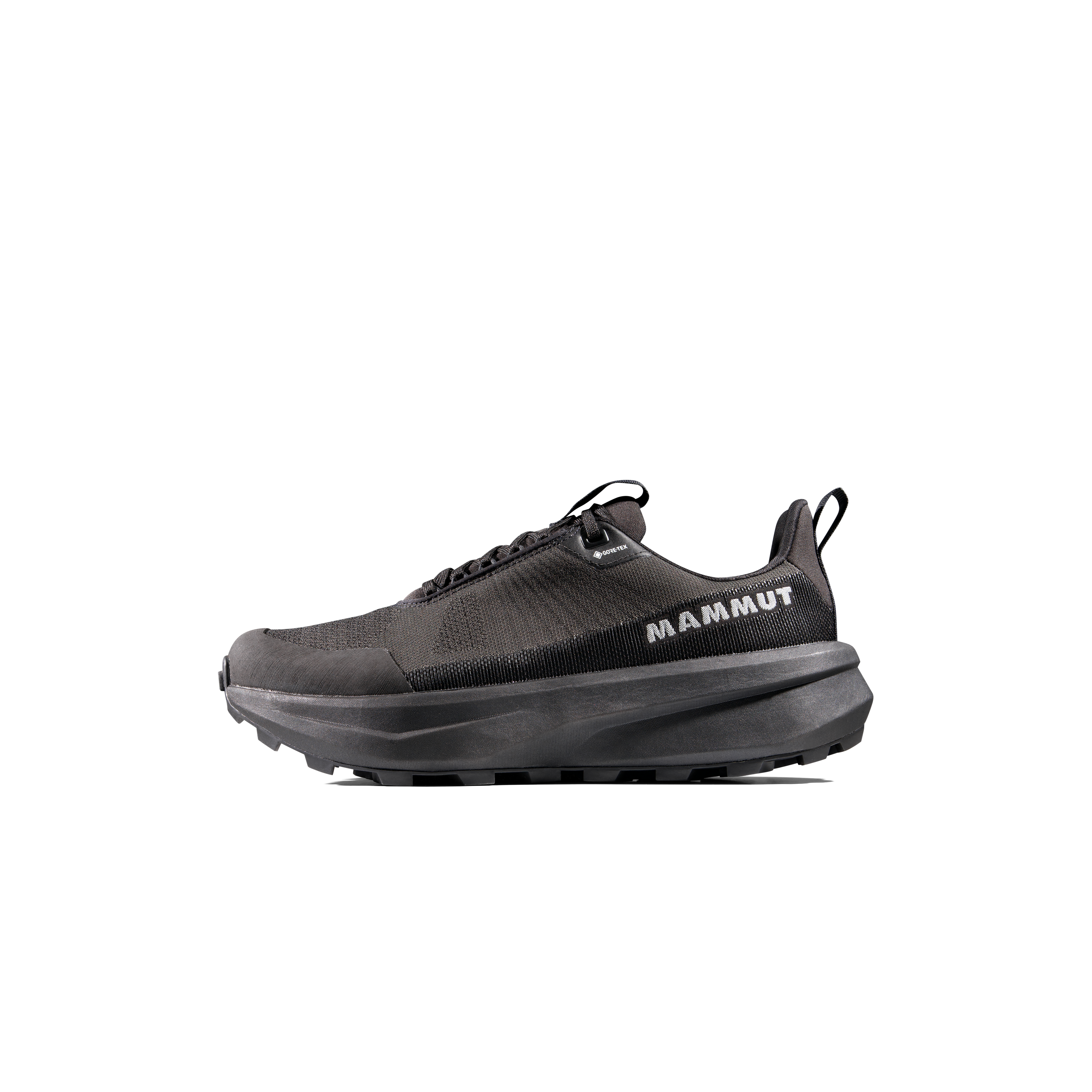
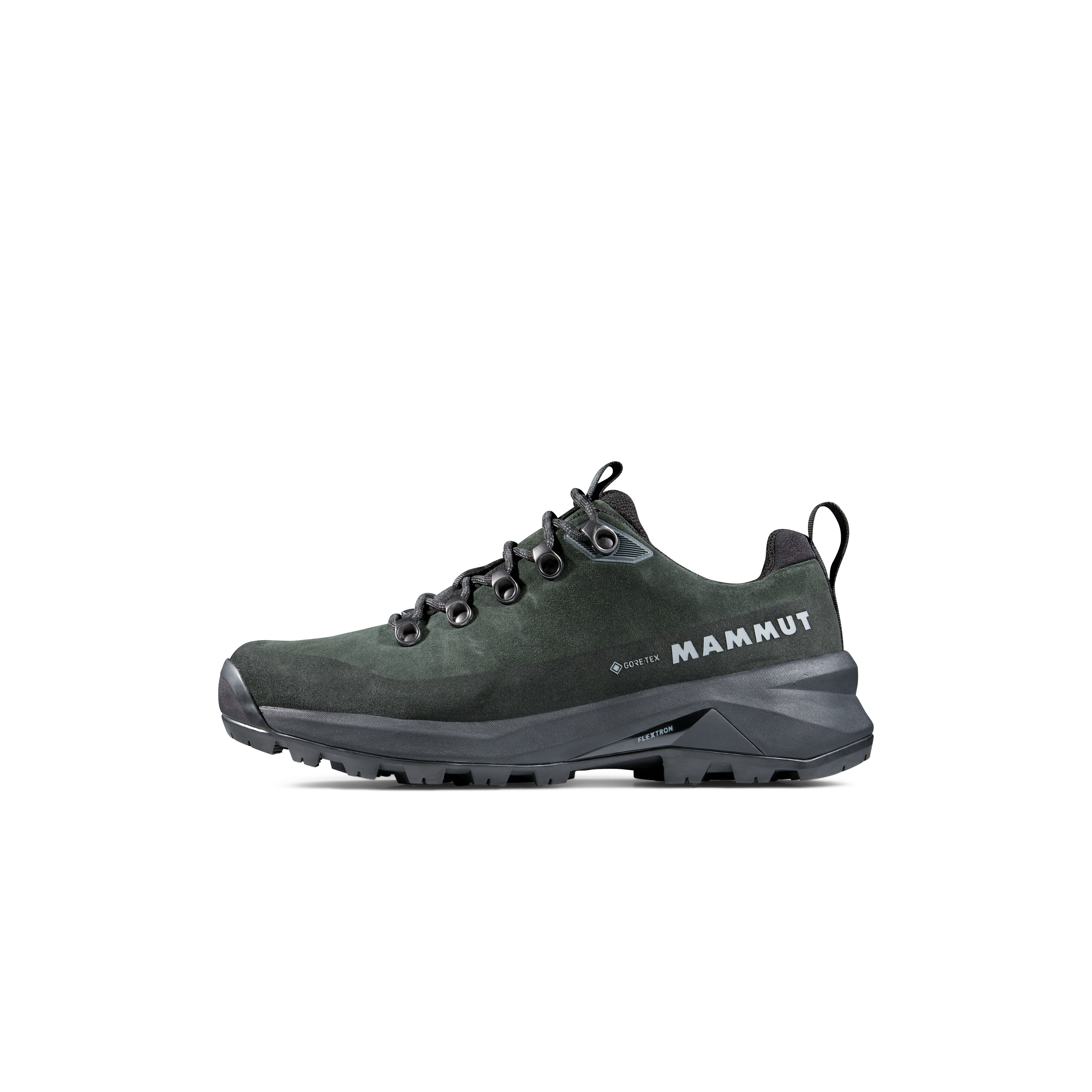
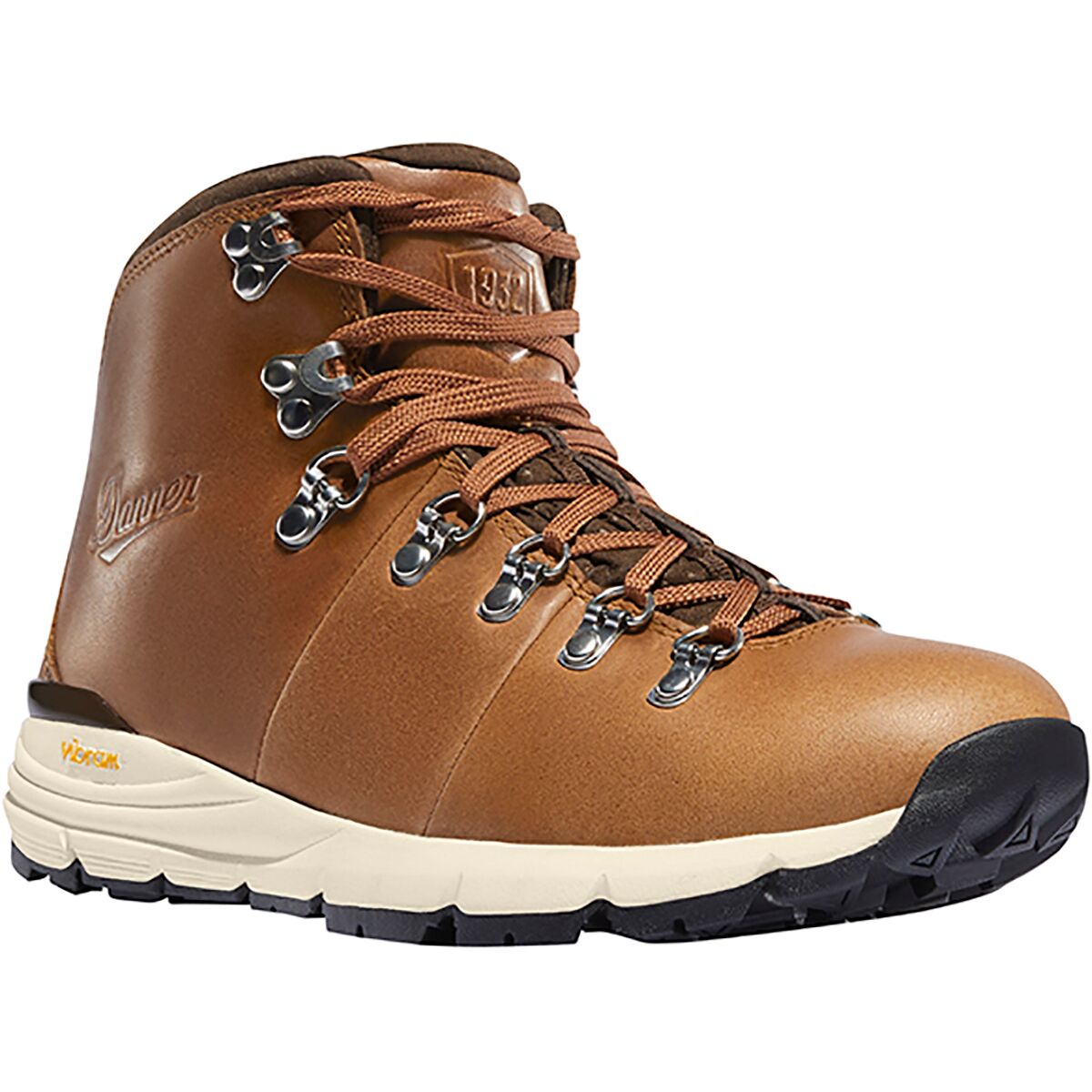
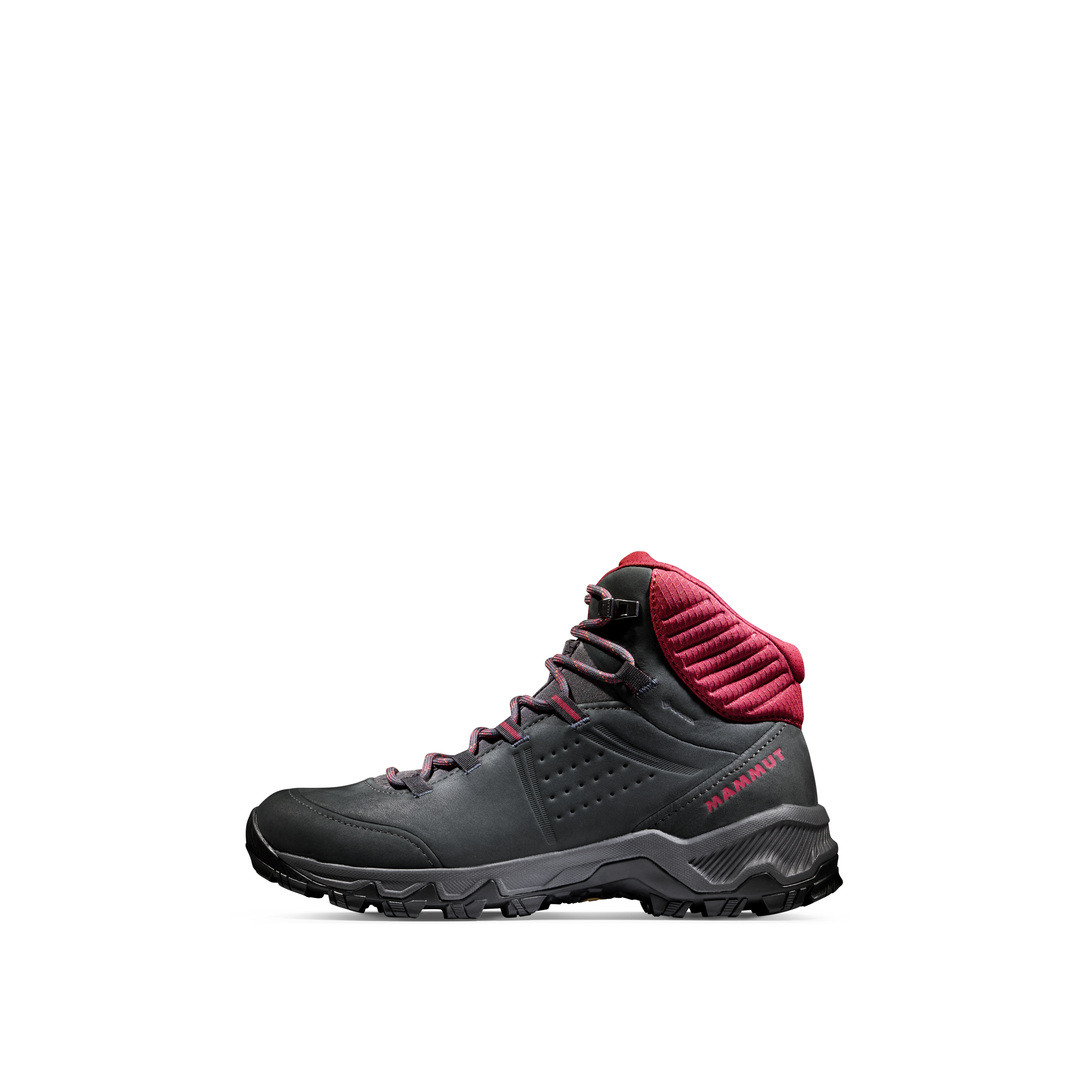

We may earn a commission if you buy through these links, at no extra cost to you. Affiliate disclosure

A Lighter Pack Makes Every Climb Easier and Every Descent Kinder.
The Primitivo makes pack weight obvious quickly. Norte eventually teaches the same lesson through repetition.
A few unnecessary kilograms do not sound serious when standing in an airport. They feel different after twenty consecutive climbing days.
Spend packing effort on reliable footwear, rain protection, a warm layer and foot care. Strip out duplicate town clothing and unnecessary equipment.
Camino Primitivo near Doriga · Simon Burchell / Wikimedia Commons · CC BY-SA 4.0.

Primitivo Cuts West Through the Mountains. Norte Follows the Atlantic Before Turning Inland.
These are orientation maps rather than field-navigation tracks. Use current official route files for the actual walk.
Oviedo → Lugo → Melide → Santiago
Asturias provides the mountain core. Galicia gradually lowers the physical intensity before the Primitivo joins the Francés at Melide.
Irún → Atlantic Spain → Arzúa → Santiago
The Northern Way crosses the Basque Country, Cantabria and Asturias before leaving the coast in Galicia and joining the Francés at Arzúa.
Which Harder Camino Fits You?
Time solves half the decision. The kind of difficulty you enjoy solves the rest.
You Want a Mountain Camino in Two Weeks.
- You have roughly 13–15 days.
- You enjoy repeated climbing.
- You want the oldest main Camino tradition.
- You like rural route character.
- You are comfortable making weather decisions.
- Hospitales is part of the attraction.
You Want the Long Atlantic Camino.
- You have five or six weeks.
- The coast is a primary reason to go.
- You want Basque Country, Cantabria and Asturias.
- You value food and regional variety.
- You are comfortable with repeated rolling terrain.
- You want a quieter long-form Camino.
You Like the Idea More Than the Difficulty.
- Portugués for roughly two weeks with gentler terrain.
- Francés for maximum support and flexibility.
- Inglés for a one-week Camino.
- Portugués Coastal for Atlantic scenery with less commitment.
- Do not choose difficulty simply for bragging rights.
When intensity matters most.
When scale matters most.

Both Become Busier at the End—but at Different Merge Points.
The Primitivo joins the Camino Francés at Melide. The Norte joins it later at Arzúa. After days or weeks of relative space, the sudden increase in pilgrims can feel like part of the arrival itself.
Pilgrims arriving in Santiago · Jules Verne Times Two / Wikimedia Commons.Camino Primitivo vs Camino del Norte FAQ
The questions that usually determine whether Oviedo or Irún should be your starting point.
Which is harder, Camino Primitivo or Camino del Norte?
Camino Primitivo is generally harder per walking day because it is more mountainous, steeper and more weather-sensitive. Camino del Norte is the bigger overall endurance challenge because it is roughly 820–850 km and takes five to six weeks.
How long is the Camino Primitivo?
A useful full-route planning figure is roughly 300–320 km from Oviedo to Santiago, normally walked in about 12–15 days. Galicia officially lists roughly 167–168 km from the regional entry depending on the recognized variant.
How long is the Camino del Norte?
A useful full-route planning range is roughly 820–850 km from Irún to Santiago. Most full-route pilgrims need approximately 34–40 days, depending on pace, rest days and local variants.
Which route has more mountains?
Camino Primitivo has the stronger mountain identity. Camino del Norte climbs constantly but much of that difficulty comes from repeated coastal hills rather than a continuous mountain corridor.
What is the Hospitales Route?
Hospitales is the exposed high-route option on the Camino Primitivo after Borres. In stable weather it is one of the route’s iconic stages. The lower route through Pola de Allande is the more conservative choice when wind, fog, storms or wintry conditions make the high line unwise.
Which Camino is quieter?
Both are much quieter than the Camino Francés. The Norte recorded fewer total pilgrims in 2025 and spreads them across more than 800 km, so it can feel especially spacious. The Primitivo has a smaller, more concentrated two-week community.
Which route has better coastal scenery?
Camino del Norte by a large margin. Atlantic scenery is one of its defining reasons to walk, especially through the Basque Country, Cantabria and Asturias. The Primitivo is primarily an inland mountain pilgrimage.
Which Camino is better if I only have two weeks?
Camino Primitivo is the much cleaner choice. A full Norte requires roughly five or six weeks, while Oviedo to Santiago fits naturally into approximately two weeks.
Which route is better in July or August?
Both can work well in midsummer because northern Spain is generally cooler than inland Camino regions. The Norte has a particularly strong midsummer argument, while the Primitivo still requires close attention to mountain storms and weather on exposed sections.
Where does the Camino Primitivo join the Camino Francés?
The Primitivo joins the Francés at Melide. From there the final stages through Arzúa and toward Santiago become much busier than the earlier Primitivo.
Where does the Camino del Norte join the Camino Francés?
The Camino del Norte joins the Francés at Arzúa, later than the Primitivo. That leaves only the final approach to Santiago inside the shared Francés pilgrim flow.
Can both routes qualify for the Compostela?
Yes. Walking either complete route easily exceeds the general distance requirement. Pilgrims seeking the traditional Compostela must still follow the current Pilgrim Office rules for continuous qualifying distance, credential stamps and pilgrimage purpose.
Which route would Global Summit Guide recommend first?
Choose the Primitivo first if you already enjoy strong multi-day hiking and want a demanding route that fits into about two weeks. Choose the Norte first when Atlantic Spain is the attraction and you have enough time and endurance for a five- to six-week pilgrimage.
Choose the Route Here. Check the Weather and Current Route Before You Walk.
These Caminos are historic, but accommodation, transport, diversions, mountain conditions and credential procedures can change.
Hospitales especially deserves a real weather decision, not an itinerary decision made months earlier.
Primary Planning Sources
Global Summit Guide · Camino Primitivo → Global Summit Guide · Camino del Norte → Global Summit Guide · Camino de Santiago → Global Summit Guide · Best Time to Walk the Camino → Global Summit Guide · Camino Packing List → Xunta de Galicia · Official Camino Primitivo → Xunta de Galicia · Official Camino del Norte → Pilgrim Reception Office · Current Camino Rules →Once You Know Which Kind of Hard You Want, Move Into the Route Guide.
This page owns the Primitivo-versus-Norte decision. The route parents own detailed stages, maps, albergues, Hospitales planning, Galicia variants, packing and current logistics.

Want Harder Days? Start in Oviedo. Want the Bigger Journey? Start in Irún.
Choose the Camino Primitivo for a concentrated mountain pilgrimage: two weeks, the Original Way, Hospitales, rural Asturias and a route where weather and terrain remain part of the decision. Choose the Camino del Norte when the Atlantic journey itself is the dream: more than 800 kilometres through four regions, five or six weeks of repeated hills and a quieter long-form road to Santiago.
Was this helpful?
Global Summit Guide is an independent mountaineering resource founded in 2026. The team combines first-hand trekking and climbing experience with in-depth research and professional health and nutrition review to help climbers choose objectives, prepare properly, and stay safe.
Health, altitude, and nutrition content is reviewed by Taylor Ludlow (Registered Nurse) and Brigg Hoopes (Nutritionist).
What We Don't Know Yet
Mountain information changes quickly. This box explains the limits of what this page can responsibly promise.
- Route conditions, trailhead access, crevasse exposure, stream crossings, and rescue access may vary from published planning guidance.
- Comparisons simplify complex decisions; the better mountain depends on current conditions, skills, timing, budget, and risk tolerance.
- Visa, passport, vaccination, border, insurance, and local transportation rules may change before your trip.
Verify current conditions with official land managers, guide services, local forecasts, and current route reports before booking or climbing.
Mountaineering, rock and ice climbing, glacier travel, and high-altitude activity are inherently dangerous and can result in serious injury or death. The information on Global Summit Guide is provided for general informational and educational purposes only and is not a substitute for professional instruction, qualified guiding, proper equipment, or your own judgment and experience.
Route conditions, weather, snowpack, permits, regulations, and hazards change constantly and may differ from what is described here. Details may be incomplete, out of date, or contain errors. Always verify current information with local authorities, certified guides, and official sources before making any decision in the mountains.
Nothing on this site is medical, legal, or financial advice. Our fitness, acclimatization, altitude, and nutrition content is general in nature; consult a qualified physician before beginning any strenuous exercise program or exposing yourself to high altitude.
You are solely responsible for your own safety and decisions. To the fullest extent permitted by law, Global Summit Guide and its team accept no liability for any loss, injury, damage, or expense arising from use of, or reliance on, this information. By using this site you acknowledge these risks and accept these terms.
Some links on this site may be affiliate links. If you buy through them we may earn a small commission at no extra cost to you; this never affects our recommendations.
Global Summit Guide recommendation path
Next Best Mountain to Research
Use these recommendations to continue the right planning path instead of stopping on one page.
Use current permit, weather, route, and operator information before booking or climbing.