Last updated October 9, 2026

Camino Portugués vs Camino del Norte: Which Camino Should You Walk?
Choose the Camino Portugués if you want a shorter, more accessible Camino that fits naturally into about two weeks. Choose the Camino del Norte if you want a month-plus pilgrimage through northern Spain where Atlantic scenery, quieter stages and repeated hills matter more than easy logistics.
Choose the Portugués for Simplicity. Choose the Norte for the Journey.
The Camino Portugués is the stronger choice for most first-time pilgrims. Porto creates a natural 10–14 day journey, Porto is easy to reach internationally, the route has a mature lodging network, and neither the Central nor Coastal Way demands sustained mountain terrain.
The Camino del Norte is the stronger choice for experienced walkers who have five or six weeks. The route from Irún repeatedly climbs away from and descends toward Spain’s northern coast through the Basque Country, Cantabria, Asturias and Galicia.
The Norte gives you more time, more coast, more solitude and a deeper long-form pilgrimage. The price is roughly three times the distance, significantly more cumulative climbing and less forgiving logistics.
The Portuguese Way Is a Route Family. The Norte Is a Long-Distance Commitment.
Camino Portugués can mean the long Central route beginning in Lisbon, the much more common Porto start, the historic inland Central Way, or the increasingly popular Coastal Way.
For a useful apples-to-apples route-choice decision, this comparison uses Porto → Santiago on the Central route as the default: roughly 245 km and around 10–14 walking days.
If you prefer Atlantic scenery, the Portuguese Coastal route from Porto is roughly 253 km in official Porto planning material and usually takes around 12–14 days. It rejoins the Central route in Galicia.
The Camino del Norte is a fundamentally larger trip: Irún to Santiago is roughly 820–850 km and commonly takes five to six weeks.
So the real choice is not merely Portugal versus Spain. It is a compact international Camino versus a long-form northern pilgrimage.
Choose the Camino From the Life You Want to Live on It.
Time, terrain, crowd level and daily logistics matter more than which route produces the most dramatic photograph.
Camino Portugués vs Camino del Norte
The biggest difference is not coastline. It is the amount of your life the route asks you to give it.
| Factor | Camino Portugués | Camino del Norte |
|---|---|---|
| Common full start | Porto. | Irún. |
| Useful planning distance | ≈245 km Central from Porto; Coastal roughly 253 km. | ≈820–850 km from Irún to Santiago. |
| Typical time | 10–14 days from Porto. | 34–40 days. |
| Countries | Portugal + Spain. | Spain. |
| Terrain | Roads, cobblestone, lanes, farmland, woodland and moderate hills. | Repeated hills, coastal paths, roads, tracks, green countryside and inland climbs. |
| Physical difficulty | Easy–Moderate by major Camino standards. | Moderate–Hard because of distance and repeated climbing. |
| Coast | Choose the Coastal route if Atlantic walking is a priority. | Atlantic scenery is a defining reason to choose the route. |
| Pilgrim density | High, especially in Galicia and on popular Porto starts. | Much lower than the Portugués or Francés. |
| Social feel | Easy to meet other pilgrims. | Quieter, with more solo walking between pilgrim encounters. |
| Accommodation | Very mature albergue and private-lodging network. | Good overall, but spacing and availability can be less forgiving. |
| Food | Frequent towns, cafés, bakeries, shops and restaurants. | Excellent northern Spanish food culture, but some sections require more deliberate planning. |
| Best season | May–June and September are especially strong. | June–September; northern Spain makes midsummer more attractive. |
| Best first Camino? | Yes—one of the best. | Better once you know you enjoy long multi-week walking. |
| Best reason to choose | Shorter international Camino with excellent access. | Coast, food, solitude and a full five-week pilgrimage rhythm. |
Camino Portugués
Porto creates enough time to develop a Camino rhythm without committing a month or more to your first pilgrimage.
Camino del Norte
The route gives the Atlantic north of Spain enough time to become the pilgrimage rather than a scenic backdrop.
Portugués Coastal
If you want Atlantic scenery but only have two weeks, the Coastal Portuguese Way may solve the decision entirely.

The Portuguese Way Feels International Without Becoming Logistically Difficult.
Crossing the Miño from Valença into Tui gives the Camino Portugués one of the clearest geographic transitions in the Camino network: two countries, two languages, one continuing road toward Santiago.
Pilgrims crossing Valença–Tui · José Antonio Gil Martínez / Wikimedia Commons · CC BY 2.0.One Builds Quickly. The Other Has Time to Become a Life.
A two-week Camino and a five-week Camino create different psychological experiences even before terrain enters the comparison.

A Compact International Pilgrimage.
Porto is one of the cleanest Camino starting points for travelers coming from abroad. The city is a destination in its own right, and the walking immediately begins moving north through Portuguese communities toward Galicia.
The trip is long enough for routine, friendships and foot fatigue to develop—but short enough to fit inside a normal vacation.

A Long Pilgrimage Through Northern Spain.
The Norte begins at Irún and moves through Basque Country, Cantabria and Asturias before entering Galicia. San Sebastián, Bilbao and Santander interrupt the rural rhythm with some of Spain’s most interesting northern cities.
Five weeks gives friendships, fatigue, weather, rest days and repeated departures enough time to become part of the pilgrimage itself.
Neither Is Technical. The Norte Is Still Considerably Harder.
The main physical difference is repeated climbing multiplied across more than a month of walking.
| Difficulty factor | Camino Portugués | Camino del Norte |
|---|---|---|
| Technical hiking | None in normal Camino conditions. | None in normal Camino conditions. |
| Major terrain issue | Cobblestone, pavement, cumulative foot fatigue and moderate hills. | Repeated ascents and descents across northern Spain. |
| Total duration | About two weeks. | Five to six weeks. |
| Daily recovery | Strong town and lodging support makes stage adjustment easy. | Good support overall, but thinner stretches reward more planning. |
| Road walking | Can be substantial, especially on the Central route. | Also present; coast does not mean continuous beach trail. |
| Hill repetition | Moderate. | One of the defining challenges. |
| Pack impact | Easy to keep light with frequent services and bag transfer. | Light packing becomes increasingly valuable over 800+ km. |
| Beginner fit | Very good. | Better for hikers already comfortable with multi-day walking. |
Northern Spain is deeply corrugated terrain. Climbs may not look dramatic individually, but repeating them through Basque Country, Cantabria and Asturias creates far more cumulative stress than the Portuguese route.

The Norte Gives You the Coast Without Letting You Stay Beside It.
One of the route’s defining patterns is climbing away from the sea, walking inland hills or urban corridors, and then returning toward Atlantic views. It is a coastal Camino—not a continuous coastal path.
Camino del Norte · José Antonio Gil Martínez / Wikimedia Commons · CC BY 2.0.The Portuguese Routes Are Much Busier. The Norte Gives You Space.
Crowd level changes not only atmosphere but accommodation strategy, how often you meet the same pilgrims and how much solitude remains.
The Norte still has established pilgrim infrastructure, major cities and recognized albergues. It simply gives you more stretches where you may walk alone rather than as part of a visible stream of pilgrims.

Two Weeks Is Long Enough to Feel Like a Camino.
A shorter route is not necessarily a lesser pilgrimage. Porto gives most walkers enough time for repeated mornings, shared meals, developing friendships, sore feet and the slow transition from ordinary travel into pilgrimage rhythm.
That makes the Portugués unusually efficient. It provides a complete cross-border journey without requiring a sabbatical or five weeks away from work and family.
Camino Portugués entering Tui · Mmacbeth / Wikimedia Commons · CC BY-SA.Portugal Is Warmer. The Norte Is Wetter and Better Suited to Midsummer.
Route choice can solve a weather problem before you ever choose a starting date.
| Season | Camino Portugués | Camino del Norte |
|---|---|---|
| Best broad window | May–June and September. | June–September, with May a strong alternative. |
| July | Warm; Coastal route benefits from Atlantic influence. | One of the strongest months because northern Spain stays cooler than inland routes. |
| August | Hotter, busy and popular with vacation traffic. | Good weather window but higher tourist pressure in coastal towns. |
| September | Excellent combination of services and more moderate heat. | Very strong choice; rain remains possible. |
| Rain | Atlantic weather increases as you approach Galicia. | A defining feature of Spain’s green northern coast. |
| Heat | More important, especially on inland Central sections. | Generally less severe than inland Spanish Caminos. |
| Winter | Possible but fewer services and wetter conditions. | Less attractive because rain, storms, mud and reduced services combine. |
If your travel dates are locked to midsummer, the Norte becomes more attractive relative to inland Spanish routes. If you can choose May, June or September, the Portugués becomes especially easy to recommend.
Both Have Pilgrim Beds. The Portugués Gives You More Flexibility.
Accommodation exists across both Caminos, but the ability to improvise stages is not identical.
| Lodging factor | Camino Portugués | Camino del Norte |
|---|---|---|
| Pilgrim albergues | Strong network. | Established but less dense in some sections. |
| Private rooms | Easy to mix into most itineraries. | Widely available, especially around towns and tourism areas. |
| Stage flexibility | Generally high. | More care needed in thinner stretches. |
| High season | Booking ahead becomes useful on popular stages. | Lower pilgrim numbers but coastal tourism can still fill lodging. |
| Bag transfer | Easy to arrange along popular route sections. | Available, but full-route planning deserves more advance checking. |
| Beginner advantage | Greater freedom to shorten or extend days. | Requires slightly stronger itinerary discipline. |
Food Is a Strength of Both Routes—for Very Different Reasons.
Neither Camino requires wilderness-style food carries. Eating along the route is part of the journey.
Simple Food Access, Strong Value.
Porto, Barcelos, Ponte de Lima, Tui, Pontevedra, Caldas de Reis and Padrón create a rhythm where food is rarely a major logistical concern.
- Portuguese cafés and bakeries
- frequent supermarkets and shops
- pilgrim menus and casual restaurants
- Galician seafood and local cooking near the finish
Basque Country, Cantabria & Asturias Are Part of the Appeal.
The Norte passes through one of Europe’s strongest food regions. San Sebastián and Bilbao alone can justify deliberate rest or short-stage days.
- Basque pintxos
- Atlantic seafood
- Cantabrian coastal food
- Asturian cider and regional dishes

Both Routes Can Qualify. The Certificate Rules Are the Same.
Walking either full route easily exceeds the normal distance threshold for the traditional Compostela.
Current Camino planning guidance uses a 100 km minimum continuous walk into Santiago for walkers seeking the Compostela, together with appropriate credential stamps and the Cathedral’s religious or spiritual-purpose criteria.
The final 100 km generally requires two credential stamps per day. Tui sits more than 100 km from Santiago on the official Portuguese Way, which is one reason it is such a popular shorter Camino starting point.
Camino Portugués north of Tui · José Antonio Gil Martínez / Wikimedia Commons.Neither Route Needs Expedition Gear. Your Feet Matter More Than Your Equipment List.
The Camino rewards light packing, proven footwear and equipment that works repeatedly rather than technically impressive equipment.
Hard-Surface Foot Management
- Proven walking shoes or light hiking footwear
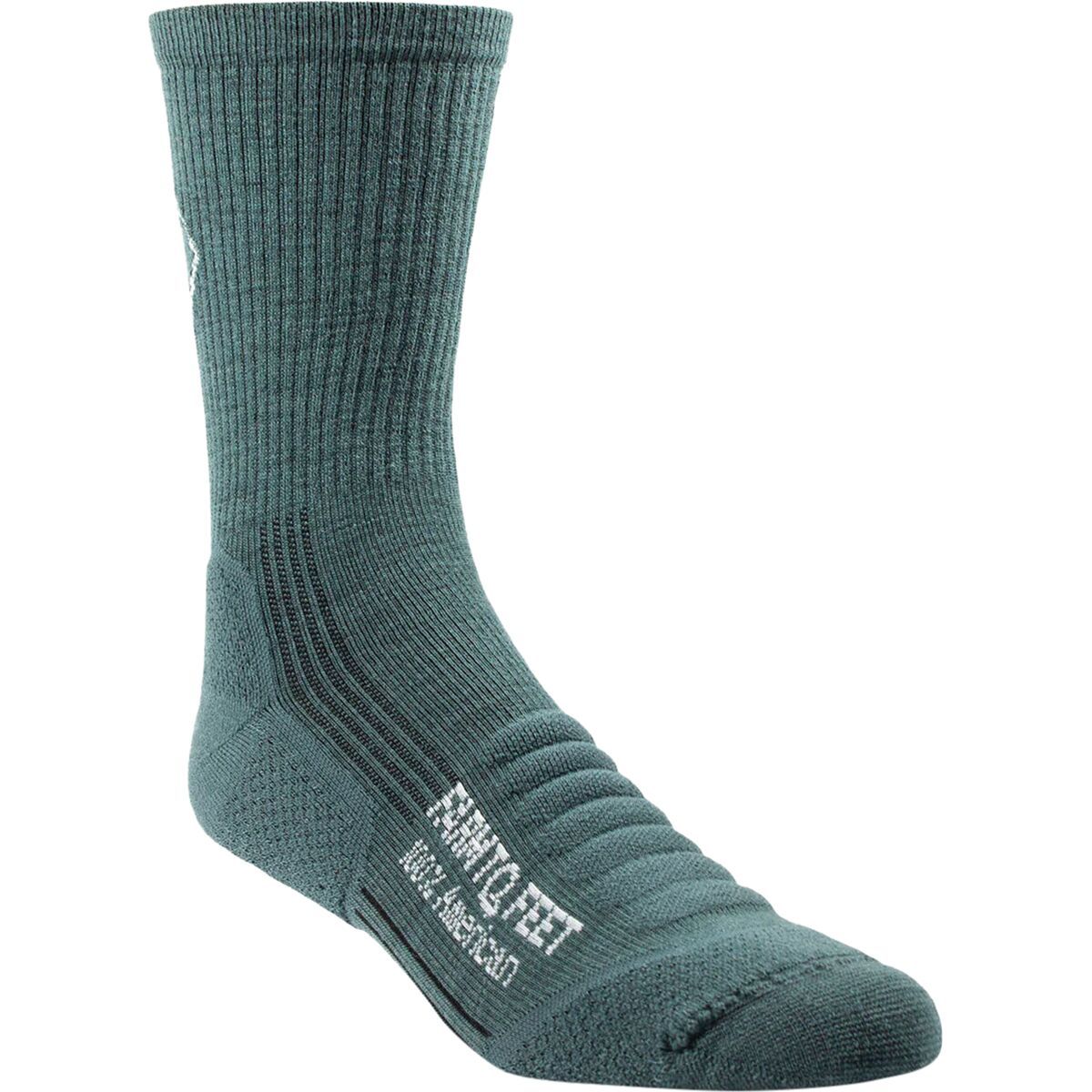
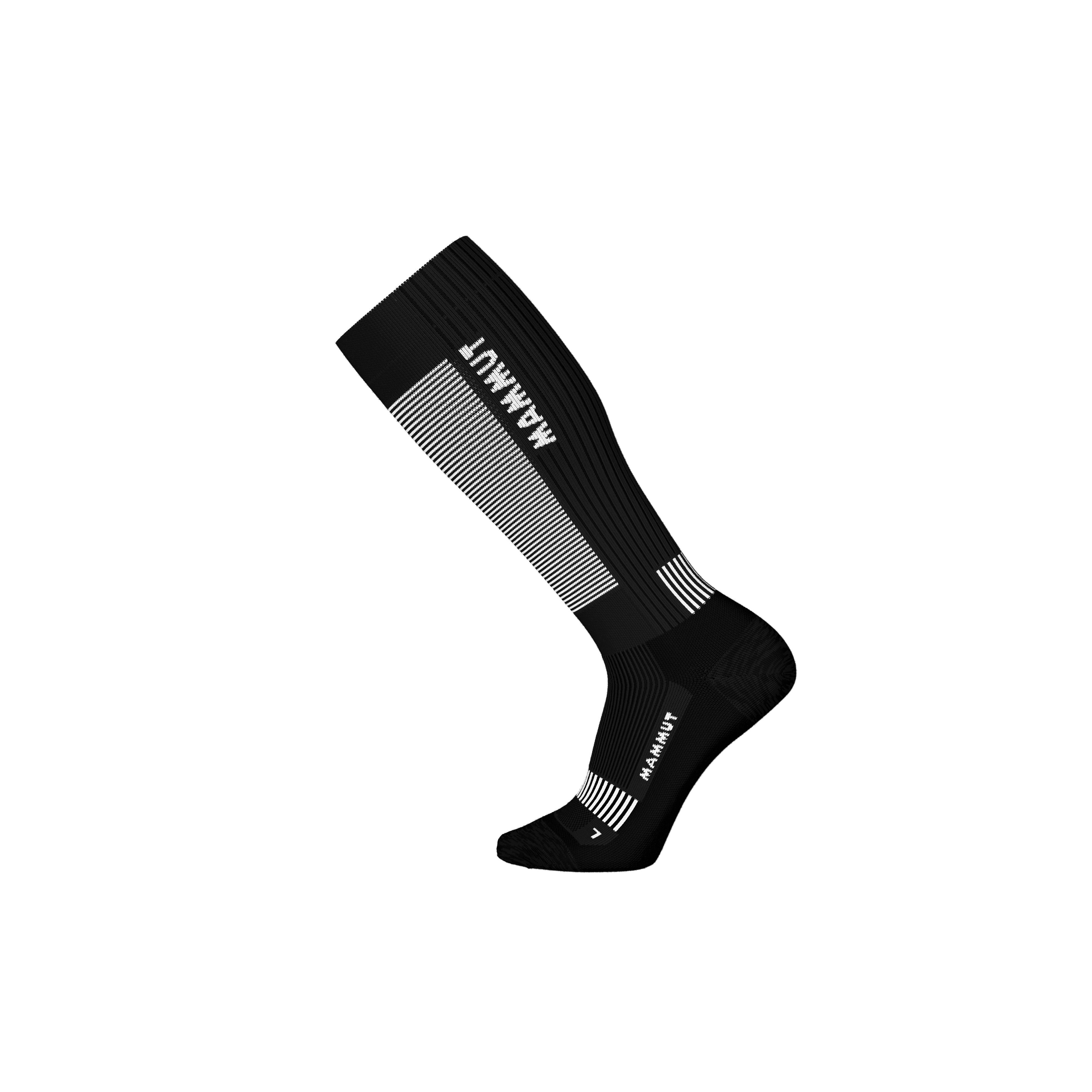
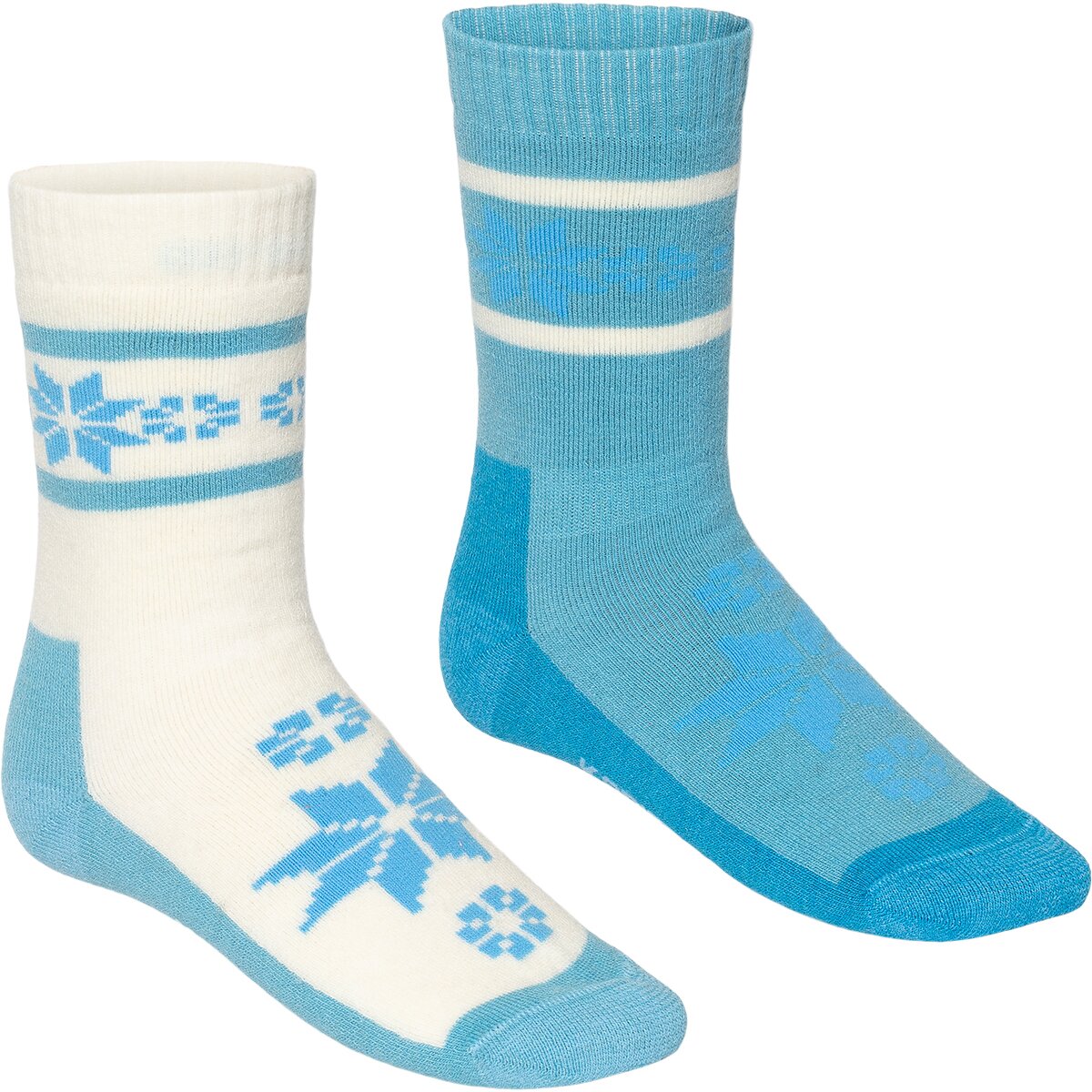
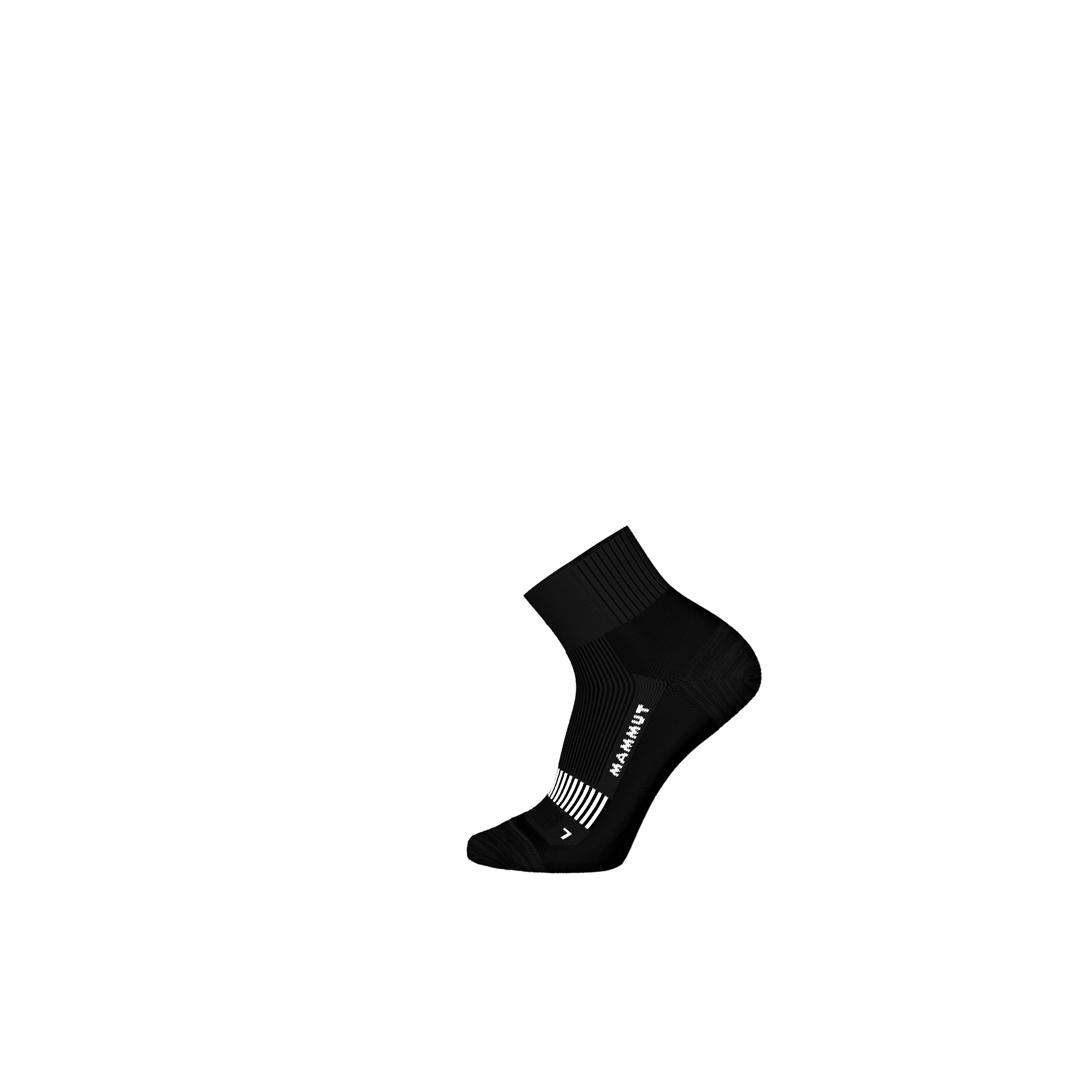
- Quality socks
- Blister treatment
- Light rain shell
- Sun protection
- Small backpack
Rain + Repeated Hills
- Proven footwear with wet-surface grip
- Reliable rain protection
- Trekking poles if helpful on descents
- Fast-drying layers
- Light insulation
- Pack liner or dry storage
Carry Less Than You Think.
- Do not pack for wilderness camping unless your itinerary requires it.
- Food is widely available.
- Laundry opportunities are frequent.
- Replacement basics can be purchased en route.
- Every unnecessary item rides on your feet for hundreds of kilometres.
- Adidas TERREXAdidas TERREX Terrex Anylander Hiking Shoe – Women's$52.46
$74.95Check price at Back Country (opens in a new tab)
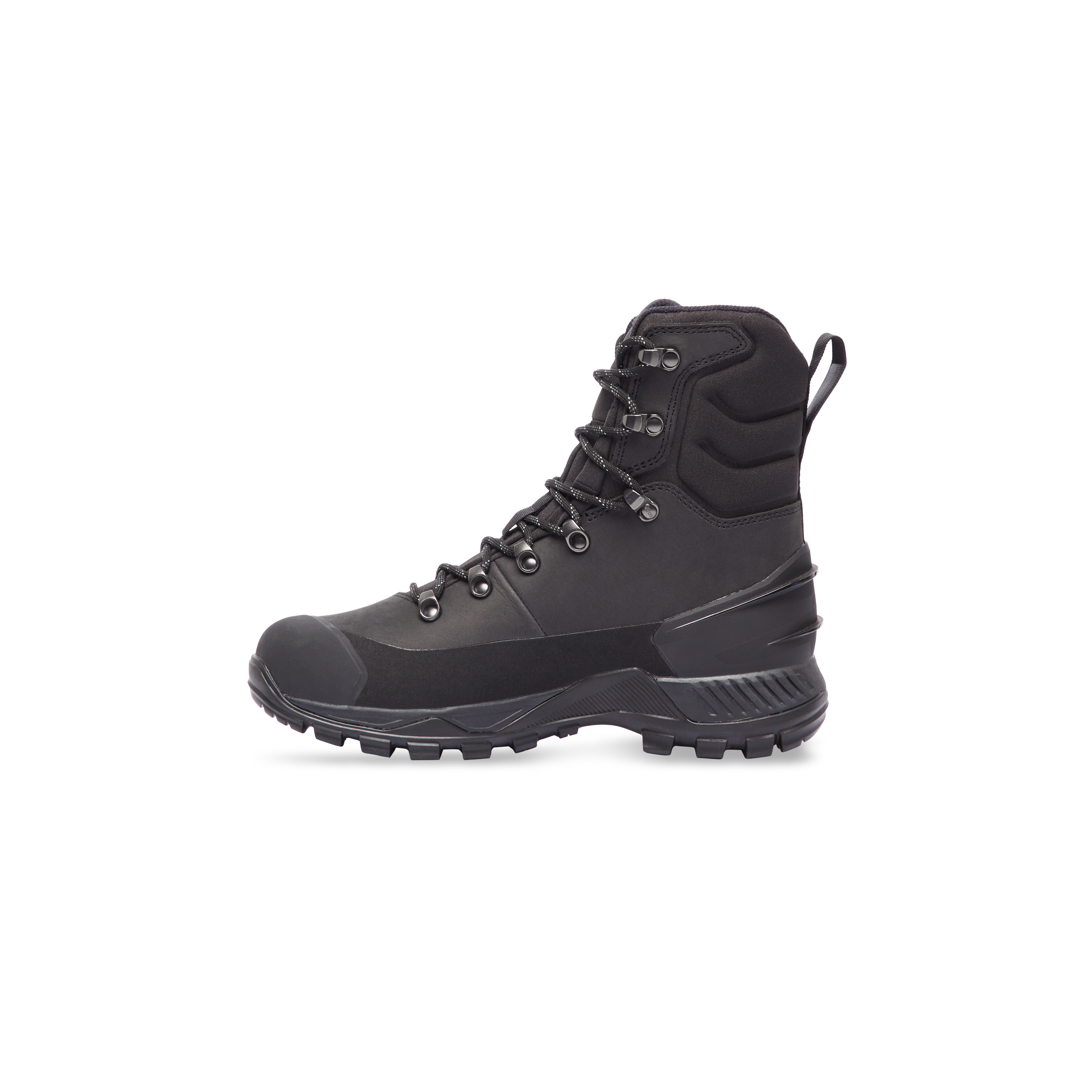
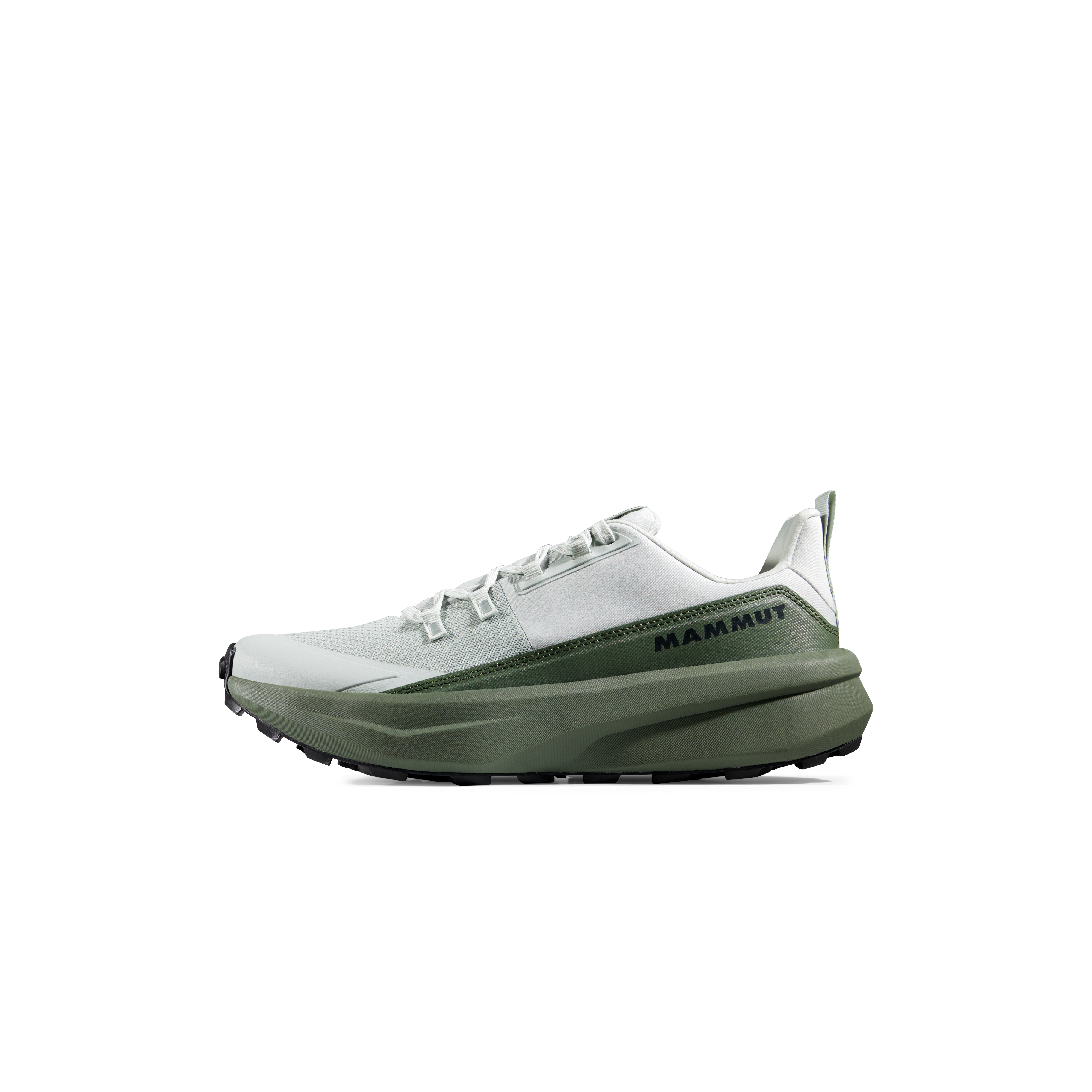
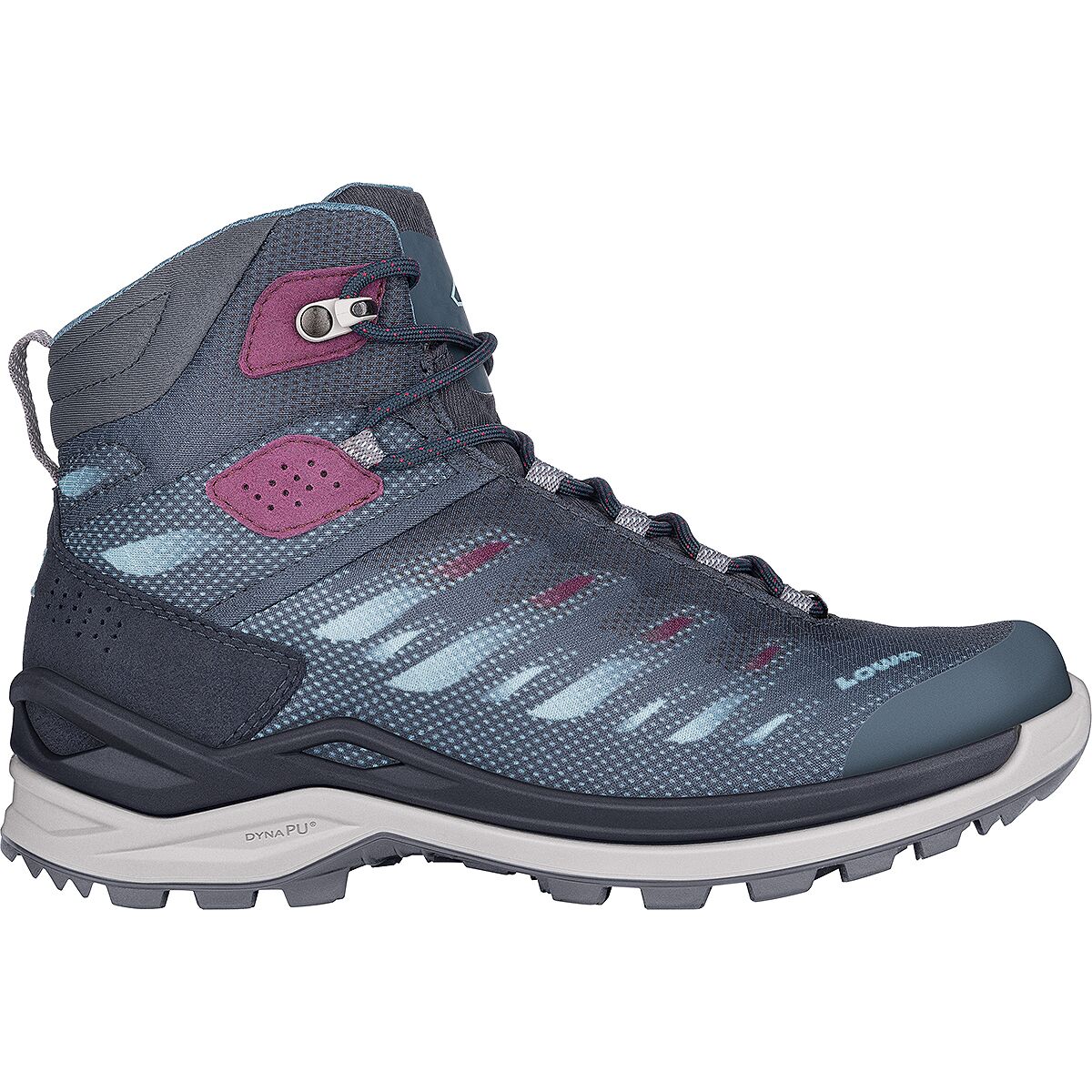


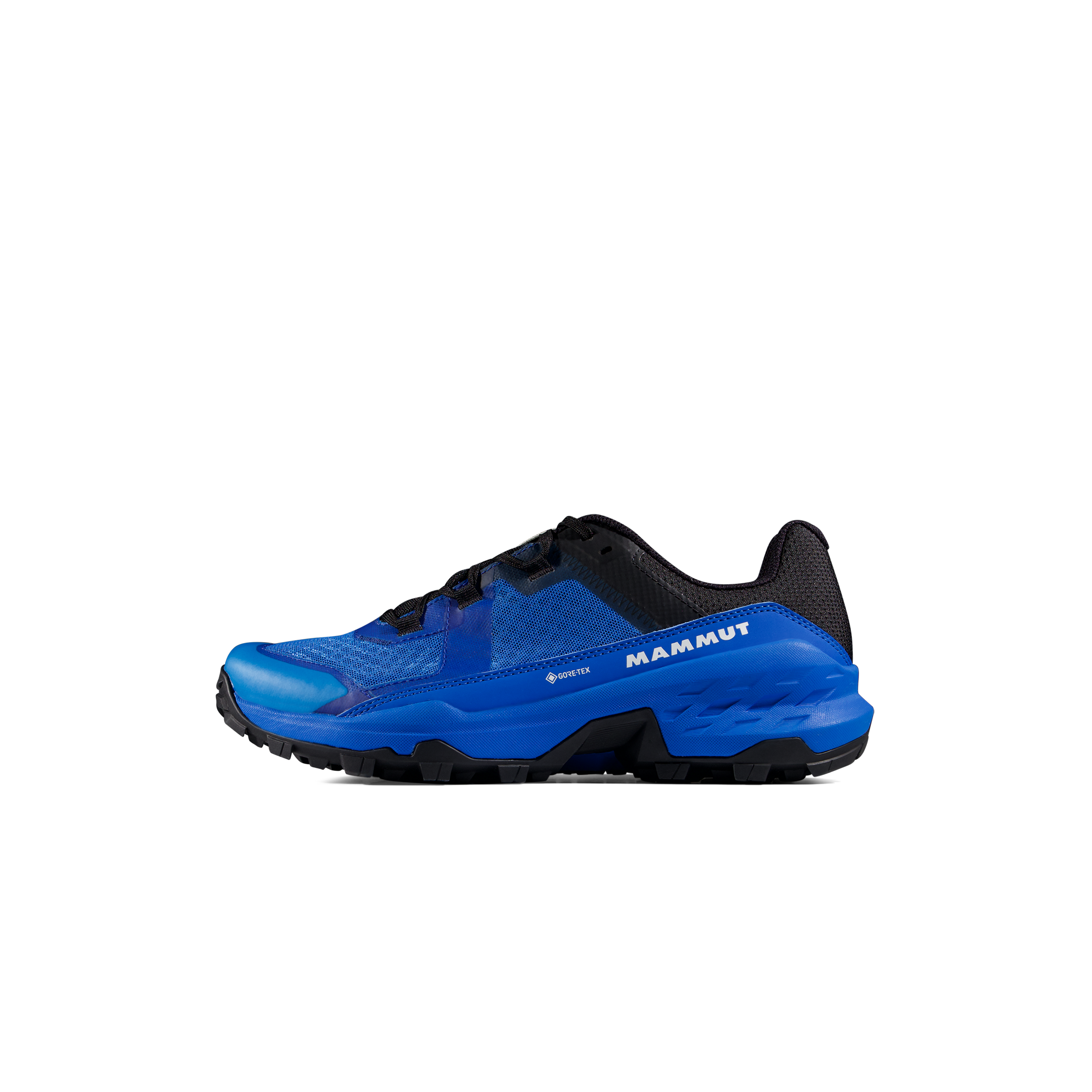
We may earn a commission if you buy through these links, at no extra cost to you. Affiliate disclosure

Pack for Day 20—even if You Are Only Walking 12 Days.
The important equipment question is not whether something feels comfortable in a store. It is whether the entire system continues working after repeated heat, rain, pavement, hills and swelling feet.
Socks, footwear fit, foot hygiene, blister response and pack weight matter more than most specialty Camino products.
This matters even more on the Norte because small problems have several additional weeks to become major ones.
Pilgrims on the Portuguese Way · José Antonio Gil Martínez / Wikimedia Commons.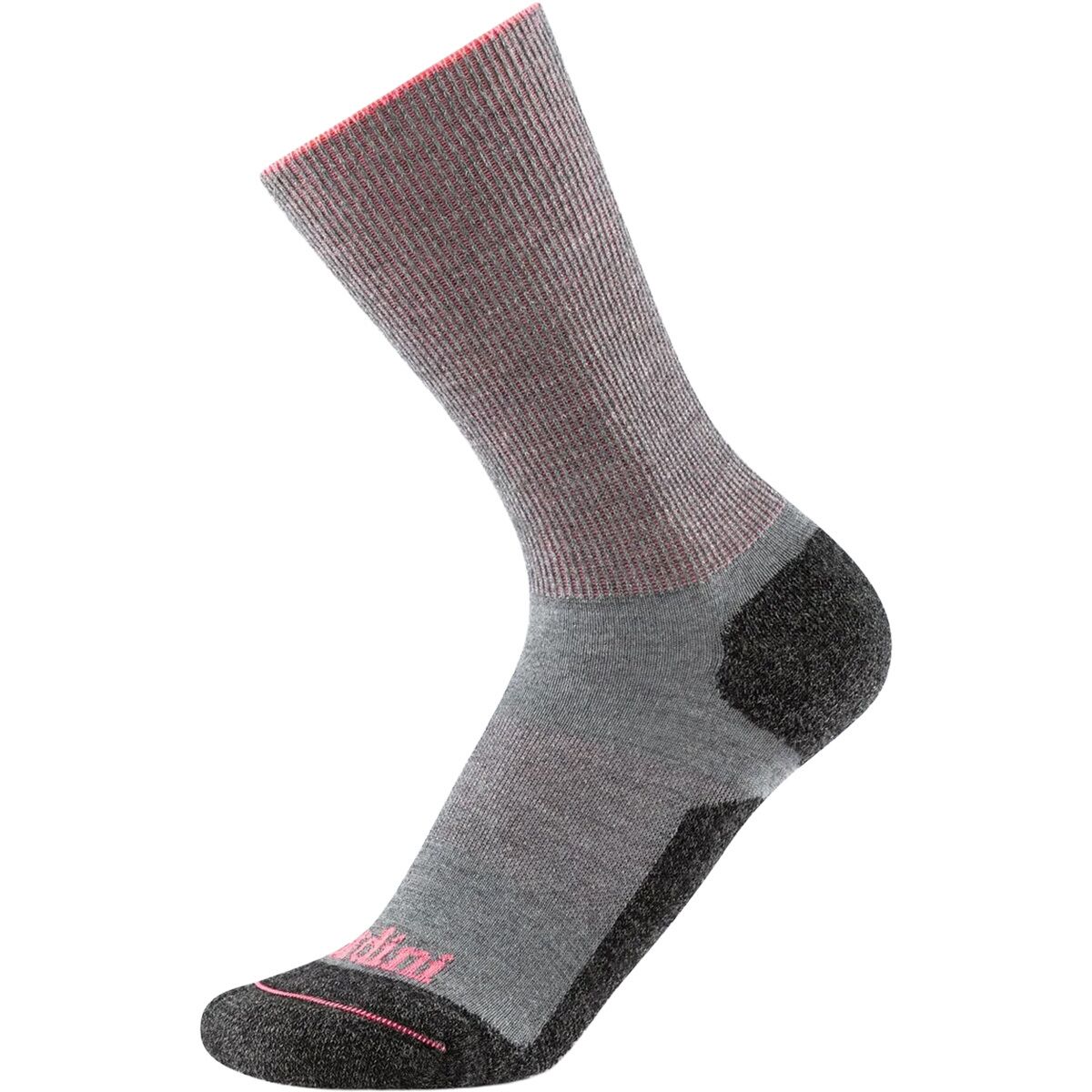
Porto Moves North Into Galicia. The Norte Traverses Spain’s Entire Atlantic Side.
These are orientation maps only. Use official Camino route data and local waymarking for navigation.
Porto → Santiago
The Central route moves inland through northern Portugal to Valença and Tui. The Coastal route follows the Atlantic before joining the Central line in Galicia.
Irún → Santiago
The Northern Way traverses Basque Country, Cantabria, Asturias and Galicia before joining the wider Camino flow near Santiago.
Which Camino Fits You?
Your available time solves most of the decision. The kind of pilgrimage you want solves the rest.
You Want the Cleaner First Camino.
- You have about two weeks.
- This is your first pilgrimage.
- You want easy international access.
- You enjoy a visible pilgrim community.
- You want flexible lodging and stages.
- You want Portugal and Spain in one trip.
You Want Time, Coast & More Solitude.
- You have five or six weeks.
- You already know you enjoy long-distance walking.
- You want fewer pilgrims.
- You accept repeated climbing.
- You want northern Spanish food and culture.
- The Atlantic coast is a primary reason to go.
You Want the Middle Ground.
- You want Atlantic walking.
- You only have about two weeks.
- You prefer easier terrain than the Norte.
- You still want strong pilgrim infrastructure.
- Porto is an attractive starting city.
- You like fishing towns and boardwalk sections.
When simplicity matters most.
When depth matters most.

Both Routes End at Santiago. What Happens Before Santiago Is Why You Choose.
The Cathedral does not make one Camino more authentic than another. Choose the route whose length, terrain, community and rhythm match the pilgrimage you actually want to live.
Cathedral of Santiago de Compostela · José Antonio Gil Martínez / Wikimedia Commons.Camino Portugués vs Camino del Norte FAQ
The practical questions that usually determine whether Portugal or northern Spain is the right Camino.
Which is harder, Camino Portugués or Camino del Norte?
Camino del Norte is harder overall. It is roughly three times longer than a typical Porto-to-Santiago Portuguese Camino and includes much more repeated climbing and descending. The Portugués can still be physically demanding because of pavement, cobblestone and repeated 20–30 km days, but it is generally the easier route.
Which Camino is better for beginners?
Camino Portugués is the stronger first Camino for most people. Porto provides a natural two-week starting point, services are frequent, lodging is flexible and the terrain is generally gentler than the Norte.
How long is the Camino Portugués from Porto?
Global Summit Guide uses roughly 245 km as a Central-route planning figure from Porto to Santiago. Official Porto materials put the Coastal framework at roughly 253 km. Exact GPS totals vary with variants, accommodation detours and route choices.
How long is the Camino del Norte?
A useful full-route planning range is roughly 820–850 km from Irún to Santiago. Exact totals vary by route variant and measurement method. Most pilgrims need roughly 34–40 walking days.
Which Camino is quieter?
Camino del Norte is significantly quieter. Closed 2025 Pilgrim Office data showed the Norte at about 4% of recorded pilgrim arrivals, compared with approximately 19% on the Portuguese Central and about 17% on the Coastal route.
Does Camino del Norte stay beside the ocean?
No. The Norte repeatedly approaches and leaves the coast. It combines ocean views and beach areas with inland hills, urban sections, road walking and green countryside.
Does Camino Portugués have a coastal option?
Yes. From Porto pilgrims can choose the inland Central route or the Coastal route through Atlantic towns such as Vila do Conde, Viana do Castelo and Caminha before entering Galicia near A Guarda. The routes eventually converge before Santiago.
Which Camino is better in July or August?
Camino del Norte becomes especially attractive in midsummer because northern Spain is generally cooler than inland Iberian routes. The Portuguese Coastal can also work well because of Atlantic influence. Both can still experience rain, heat or crowded tourist destinations.
Which Camino has better food?
Both are excellent food routes. Camino Portugués gives you Portuguese cafés, bakeries and northern Portuguese cooking before reaching Galicia. Camino del Norte passes through Basque Country, Cantabria and Asturias, including one of Spain’s strongest regional food corridors.
Can both routes qualify for the Compostela?
Yes. Walking either full route easily exceeds the minimum distance. Walkers using a shorter start must follow the current Pilgrim Office requirements, including completing a continuous recognized route of sufficient distance into Santiago and documenting it properly with a credential.
Should I start the Camino Portugués in Porto or Tui?
Start in Porto if you want a fuller Camino of roughly two weeks crossing Portugal and Spain. Start in Tui when you have roughly one week and want a recognized route long enough to satisfy the normal walking distance requirement for the Compostela.
Which route would Global Summit Guide recommend for a first Camino?
For most first-time pilgrims with around two weeks, Camino Portugués from Porto is the stronger choice. Camino del Norte is the better choice when the walker already knows they enjoy sustained multi-week walking and specifically values quieter stages, Atlantic landscapes and greater physical challenge.
Choose the Route Here. Verify the Details Before You Leave.
Camino geography is stable, but accommodation, ferries, temporary route changes, public albergues, credential rules and seasonal services can change.
Once you choose the route, move into the individual Global Summit Guide route page and current official Camino information.
Once You Choose the Camino, Move Into the Route Guide.
This page owns the Portugués-versus-Norte decision. The route guides own stages, maps, accommodation, current logistics and the deeper planning work.

Two Weeks? Walk From Porto. Five Weeks? Follow the Northern Coast.
Choose the Camino Portugués for the cleaner first Camino: Portugal and Spain, strong infrastructure, gentler terrain and a complete pilgrimage inside a normal vacation. Choose the Camino del Norte when you want the Camino to become a longer chapter of your life—quieter, hillier and stretched across the Atlantic north of Spain.
Was this helpful?
Global Summit Guide is an independent mountaineering resource founded in 2026. The team combines first-hand trekking and climbing experience with in-depth research and professional health and nutrition review to help climbers choose objectives, prepare properly, and stay safe.
Health, altitude, and nutrition content is reviewed by Taylor Ludlow (Registered Nurse) and Brigg Hoopes (Nutritionist).
What We Don't Know Yet
Mountain information changes quickly. This box explains the limits of what this page can responsibly promise.
- Route conditions, trailhead access, crevasse exposure, stream crossings, and rescue access may vary from published planning guidance.
- Comparisons simplify complex decisions; the better mountain depends on current conditions, skills, timing, budget, and risk tolerance.
- Visa, passport, vaccination, border, insurance, and local transportation rules may change before your trip.
Verify current conditions with official land managers, guide services, local forecasts, and current route reports before booking or climbing.
Mountaineering, rock and ice climbing, glacier travel, and high-altitude activity are inherently dangerous and can result in serious injury or death. The information on Global Summit Guide is provided for general informational and educational purposes only and is not a substitute for professional instruction, qualified guiding, proper equipment, or your own judgment and experience.
Route conditions, weather, snowpack, permits, regulations, and hazards change constantly and may differ from what is described here. Details may be incomplete, out of date, or contain errors. Always verify current information with local authorities, certified guides, and official sources before making any decision in the mountains.
Nothing on this site is medical, legal, or financial advice. Our fitness, acclimatization, altitude, and nutrition content is general in nature; consult a qualified physician before beginning any strenuous exercise program or exposing yourself to high altitude.
You are solely responsible for your own safety and decisions. To the fullest extent permitted by law, Global Summit Guide and its team accept no liability for any loss, injury, damage, or expense arising from use of, or reliance on, this information. By using this site you acknowledge these risks and accept these terms.
Some links on this site may be affiliate links. If you buy through them we may earn a small commission at no extra cost to you; this never affects our recommendations.
Global Summit Guide recommendation path
Next Best Mountain to Research
Use these recommendations to continue the right planning path instead of stopping on one page.
Use current permit, weather, route, and operator information before booking or climbing.