Last updated October 9, 2026

Camino Inglés vs Camino Francés: Which Camino Should You Walk?
Choose the Camino Inglés if you want a historic Camino, a Santiago finish and a route that fits inside one week. Choose the Camino Francés if you want the full classic experience: roughly five weeks of walking, the deepest albergue network, a constantly changing pilgrim community and a journey across northern Spain from the Pyrenees to Galicia.
Have One Week? Walk the Inglés. Have a Month or More? Walk the Francés.
The Camino Inglés is the cleanest short Camino decision. Starting in Ferrol gives you 112.4 official kilometres to Santiago, enough to exceed the general 100 km walking threshold for the Compostela. A five- or six-day itinerary still gives you historic towns, pilgrim accommodation and a genuine arrival at Santiago.
The Camino Francés is the stronger choice when you want the Camino to become a major chapter of your life. Roughly 780 km from Saint-Jean-Pied-de-Port means about five weeks crossing the Pyrenees, Navarra, Rioja, the Meseta, León, Bierzo and Galicia.
The Inglés is not a shortened Francés. It is a complete short pilgrimage. The Francés is not simply a longer Inglés. Its length creates a different social and psychological experience.
These Two Routes Solve Completely Different Calendar Problems.
Many Camino comparisons involve routes of similar length. This one does not.
From Ferrol, the Camino Inglés is officially 112.4 km. That makes it long enough to satisfy the Cathedral’s general walking-distance requirement for the Compostela while still fitting naturally into five or six walking days.
The Camino Francés from Saint-Jean-Pied-de-Port is roughly seven times longer and usually requires 33–38 walking days.
That difference changes almost everything: cost, foot fatigue, relationships, weather exposure, route variety and how completely the Camino replaces your ordinary routine.
The key question is therefore not “Which route is better?” It is “Do I want one meaningful week—or a month-long pilgrimage life?”
Compare Time First. Then Compare the Experience.
Once your available days are clear, terrain, crowds, accommodation and cost become much easier to judge.
Camino Inglés vs Camino Francés
The Inglés wins on time efficiency. The Francés wins on scale, community, history and landscape variety.
| Factor | Camino Inglés | Camino Francés |
|---|---|---|
| Classic start | Ferrol. | Saint-Jean-Pied-de-Port. |
| Distance | 112.4 km from Ferrol. | ≈780 km. |
| Typical duration | 5–6 days. | 33–38 days. |
| Countries | Spain. | France + Spain. |
| Start logistics | Ferrol via A Coruña, Santiago or regional transport. | More involved transfer to Saint-Jean-Pied-de-Port. |
| Terrain | Rolling Galicia, lanes, pavement, woodland and farmland. | Pyrenees, rolling Navarra, Rioja, Meseta, León mountains and Galicia. |
| Technical difficulty | Non-technical. | Non-technical. |
| Biggest physical problem | Condensed stages and Betanzos → Bruma climbing. | Five weeks of repeated walking and cumulative fatigue. |
| Pilgrim density | Moderate and increasing. | Highest in the Camino network. |
| 2025 route share | 5.7% of recorded pilgrims. | 45.6% of recorded pilgrims. |
| Albergue network | Enough for the route, but fewer alternatives per stage. | Deepest pilgrim infrastructure in the network. |
| Stage flexibility | Lower. | Exceptional. |
| Food availability | Good, but some stages reward planning. | Frequent cafés, restaurants, stores and pilgrim services. |
| Total trip cost | Much lower because the trip is short. | Much higher total because lodging and food repeat for a month. |
| Best for | One-week pilgrimage. | Classic full Camino. |
Camino Inglés
Ferrol gives you enough official distance to reach Santiago and satisfy the general Compostela mileage rule inside one week.
Camino Francés
No other Camino combines this much history, route variety, pilgrim infrastructure and continuous community.
Depends on Your Calendar
One week strongly favors Inglés. A month or more opens the Francés properly.

The Inglés Is Short Enough That Every Town Matters.
Pontedeume and Betanzos give the Ferrol route enough historical texture that a five-day walk does not feel like a certificate shortcut. Slowing down is part of making the shorter route worthwhile.
Pontedeume · Feranza / Wikimedia Commons · CC BY-SA 4.0.The Inglés Reaches Santiago Before the Camino Becomes Your Entire Routine.
The biggest difference is psychological, not geographic.

A Complete Camino in a Normal Vacation Week.
Medieval pilgrims arrived by sea from Britain, Ireland, Flanders and Scandinavia before continuing overland from Galician ports toward Santiago.
Five or six days is enough to establish the daily ritual: wake, walk, follow shells, collect stamps, meet pilgrims, eat, sleep and do it again.
What you do not get is the longer Camino transition where that routine begins to feel like normal life.

The Camino Has Time to Become a Life.
Starting at Saint-Jean-Pied-de-Port gives the journey a major opening immediately: the Pyrenees and Roncesvalles.
A month creates time for rest days, injuries, friendships, farewells, unexpected companions, changing weather and long periods in which ordinary life feels increasingly distant.
The Inglés Has Hard Days. The Francés Has Hard Weeks.
Neither route is technical, but the source of fatigue is completely different.
| Difficulty factor | Camino Inglés | Camino Francés |
|---|---|---|
| Technical walking | None. | None. |
| Typical duration | 5–6 days. | 33–38 days. |
| Opening stage | Can be long if Ferrol → Pontedeume is walked in one day. | Saint-Jean → Roncesvalles is one of the route’s major mountain days. |
| Hardest Inglés block | Betanzos → Bruma. | Difficulty spreads across many regions rather than one day. |
| Elevation character | Rolling Galician hills. | Pyrenees, rolling country, León mountains and O Cebreiro. |
| Foot fatigue | Hard surfaces matter quickly. | Small footwear problems can compound over hundreds of kilometres. |
| Recovery opportunity | Trip is short enough to finish before deep cumulative fatigue develops. | Rest days become strategic rather than optional luxury. |
| Overall physical challenge | Moderate. | Moderate terrain but major endurance commitment. |
The Inglés is officially rated medium difficulty, and the Ferrol route still includes repeated hills, pavement and potentially long stages. Its advantage is recovery: Santiago arrives before cumulative fatigue reaches full-Francés scale.

The Francés Begins With a Mountain Day Before Your Body Has Adapted.
The Saint-Jean-to-Roncesvalles opening is one reason the full Francés should not be treated as thirty easy village walks placed together. Weather and seasonal route restrictions matter immediately.
Puerto Ibañeta area · MartinD / Wikimedia Commons · CC BY-SA 3.0.The Francés Is the Social Benchmark. The Inglés Is Noticeably Quieter.
Neither route is obscure. The scale difference is still enormous.
If you are nervous about traveling alone, the large pilgrim population creates social reassurance, walking companions and frequent opportunities to solve problems. If solitude is part of your pilgrimage, the same system may feel too busy.
Inglés Stages Are a Schedule. Francés Stages Are a Framework.
The longer route gives you far more freedom to reshape the journey after you begin.
A Strong First-Camino Itinerary
- Day 1: Ferrol → Neda · ~15 km
- Day 2: Neda → Pontedeume · ~16 km
- Day 3: Pontedeume → Betanzos · ~21 km
- Day 4: Betanzos → Bruma · ~24–28 km
- Day 5: Bruma → Sigüeiro · 24.2 km official
- Day 6: Sigüeiro → Santiago · 16.1 km official
Six days gives the route room to breathe. Compressing Ferrol to Santiago into five is efficient, but there is little advantage in rushing a pilgrimage that is already short.
A Month-Long Moving Itinerary
- Opening: Saint-Jean → Roncesvalles → Pamplona
- Early middle: Rioja → Burgos
- Long middle: Meseta → León
- Western mountains: Astorga → Bierzo → O Cebreiro
- Galicia: Sarria → Santiago
On the Francés, an itinerary should remain partly flexible. Weather, sore feet, new companions and rest needs can easily change where you stop three weeks after departure.

Short Routes Need Places Worth Remembering.
Betanzos gives the Inglés exactly that: an old bridge, medieval street pattern, churches, pilgrim history and enough character to reward a slower arrival before the hardest stage toward Bruma.
Ponte Vella, Betanzos · Carlos Teixidor Cadenas / Wikimedia Commons · CC BY-SA 4.0.Five Days Lets You Target Good Weather. Five Weeks Forces You to Walk Through Several Weather Systems.
This is one of the Inglés’s underrated advantages.
| Period | Camino Inglés | Camino Francés |
|---|---|---|
| April | Quiet, green and potentially wet. | Possible, but Pyrenees conditions can still be wintry. |
| May–June | Excellent. Mild temperatures and long daylight. | Excellent. One of the strongest full-route windows. |
| July–August | Good, with Galicia cooler than much of inland Spain. | Maximum services but Meseta heat and heavy pilgrim volume. |
| September | Excellent. Strong weather/service balance. | Excellent. Cooler than midsummer but still busy. |
| October | Atmospheric and quieter; more unsettled. | Good early, with shortening daylight and services beginning to thin later. |
| Winter | Possible but wet, dark and less flexible. | Major planning change; high Pyrenees route closes seasonally and services reduce. |
| Main weather problem | Atlantic rain and wet Galicia. | Pyrenees weather, heat, storms and Galicia rain across a much longer time window. |
If your travel schedule has flexibility, a five-day Inglés can be moved into a favorable weather window. A five-week Francés inevitably asks you to deal with whatever several regions and several weeks deliver.
The Francés Has More Beds. The Inglés Needs Fewer Decisions.
Infrastructure depth matters differently on a five-day route and a five-week route.
| Lodging factor | Camino Inglés | Camino Francés |
|---|---|---|
| Public albergues | Available on the route, including key stage towns. | Extensive network across multiple regions. |
| Private albergues | Useful in major overnight towns. | Numerous on popular sections. |
| Hotels / pensions | Easy to mix into a short itinerary. | Extensive choices in towns and cities. |
| Booking strategy | Prebooking most nights is reasonable because the whole trip is fixed. | Reserve bottlenecks; leave some middle-route flexibility. |
| Stage alternatives | Limited. | Excellent in many sections. |
| Rest days | Usually unnecessary unless built into the trip. | Useful in cities such as Burgos or León. |
| Luggage transfer | Available and simple to use on a short planned route. | Extensive commercial network across major sections. |
Ferrol Makes the Inglés Unusually Useful.
Current Cathedral rules require walkers seeking the traditional Compostela to complete at least 100 continuous kilometres on foot on a recognized route ending in Santiago.
Ferrol sits 112.4 official kilometres from Santiago, which puts the full Ferrol Camino Inglés comfortably over that threshold.
The shorter historical branch from A Coruña is officially only 72.8 km. It therefore does not satisfy the normal distance rule by itself.
Do not build a certificate-dependent A Coruña itinerary around old forum advice or informal exceptions. Confirm any special arrangement directly with the Pilgrim Office.
The Credencial should document the journey, with at least two stamps per day during the final 100 km. A full Francés exceeds the distance requirement by hundreds of kilometres, but the same final-stage documentation rules still matter.
Holy Year Pressure Favors the Inglés in One Important Way.
Both routes finish in Santiago, but the Francés spends far more time inside the busiest Camino ecosystem.

Santiago Enters a Holy Year on December 31, 2026.
2027 is a Jacobean Holy Year because July 25, the Feast of Saint James, falls on a Sunday. Santiago’s Holy Door opens on December 31, 2026.
Holy Years traditionally increase pilgrim and visitor demand, particularly around Santiago and the final stages. That makes accommodation strategy more important in 2027.
The Inglés does not avoid the busy Santiago finish, but your exposure to high-demand pilgrimage lodging lasts only several days rather than more than a month.
In 2027, secure Saint-Jean, important early stages, rest-day cities and the busiest Galicia finish. Keeping some flexibility in the middle remains one of the Francés’s greatest advantages.
The Packing List Is Similar. The Consequences of Overpacking Are Not.
You can tolerate an imperfect pack for five days. Carrying the same mistake for 780 km is very different.
Comfort + Rain Protection
- Proven shoes or light hiking footwear
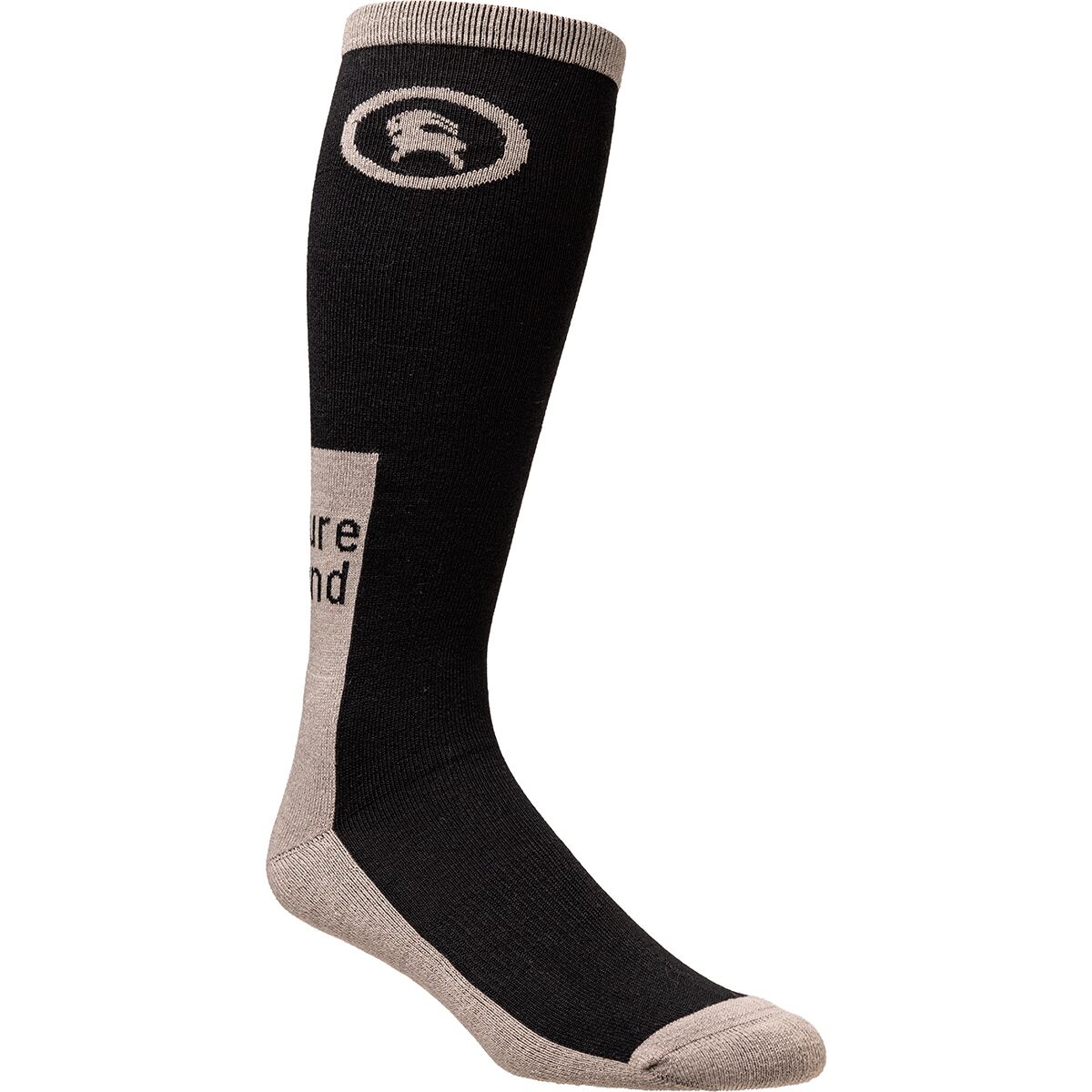
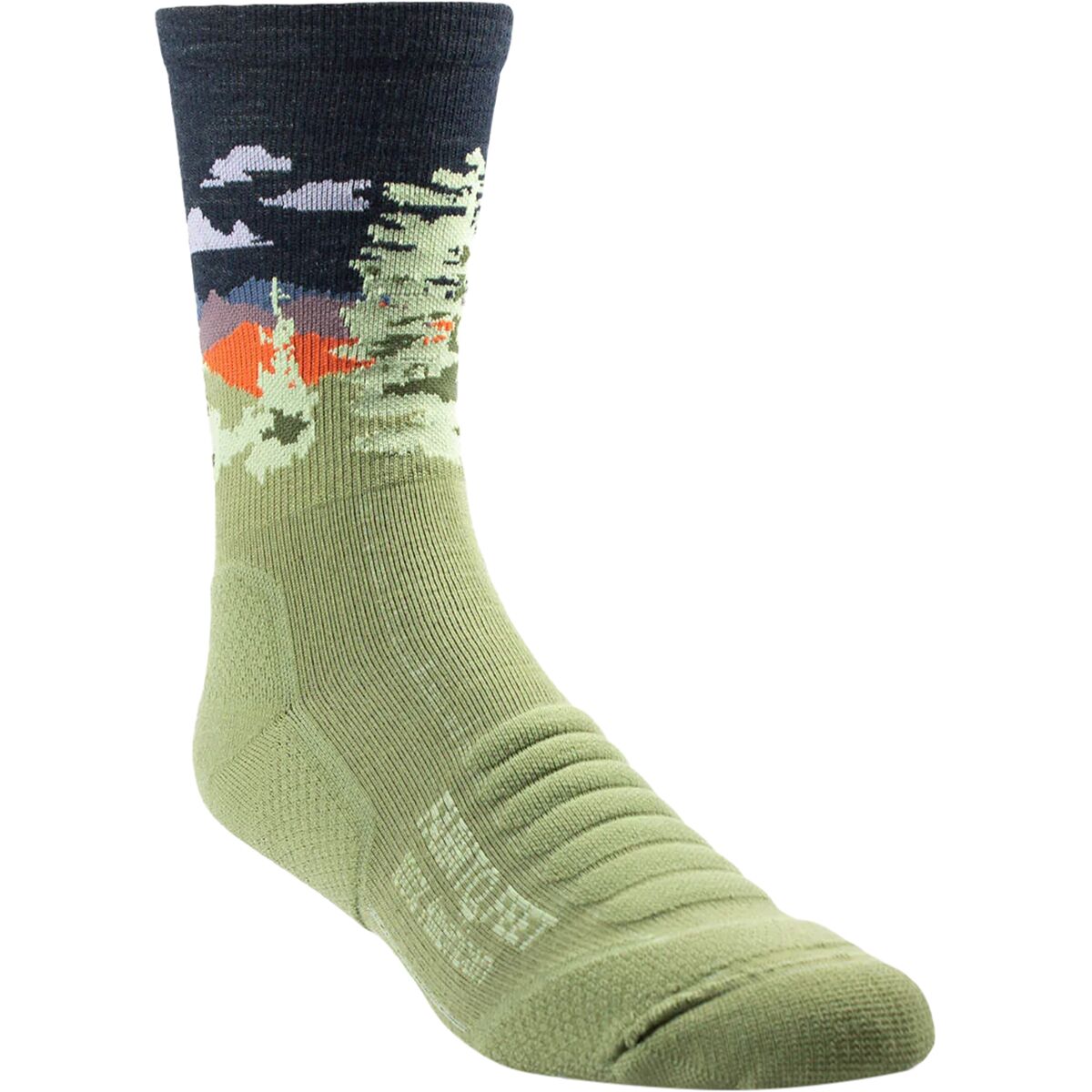
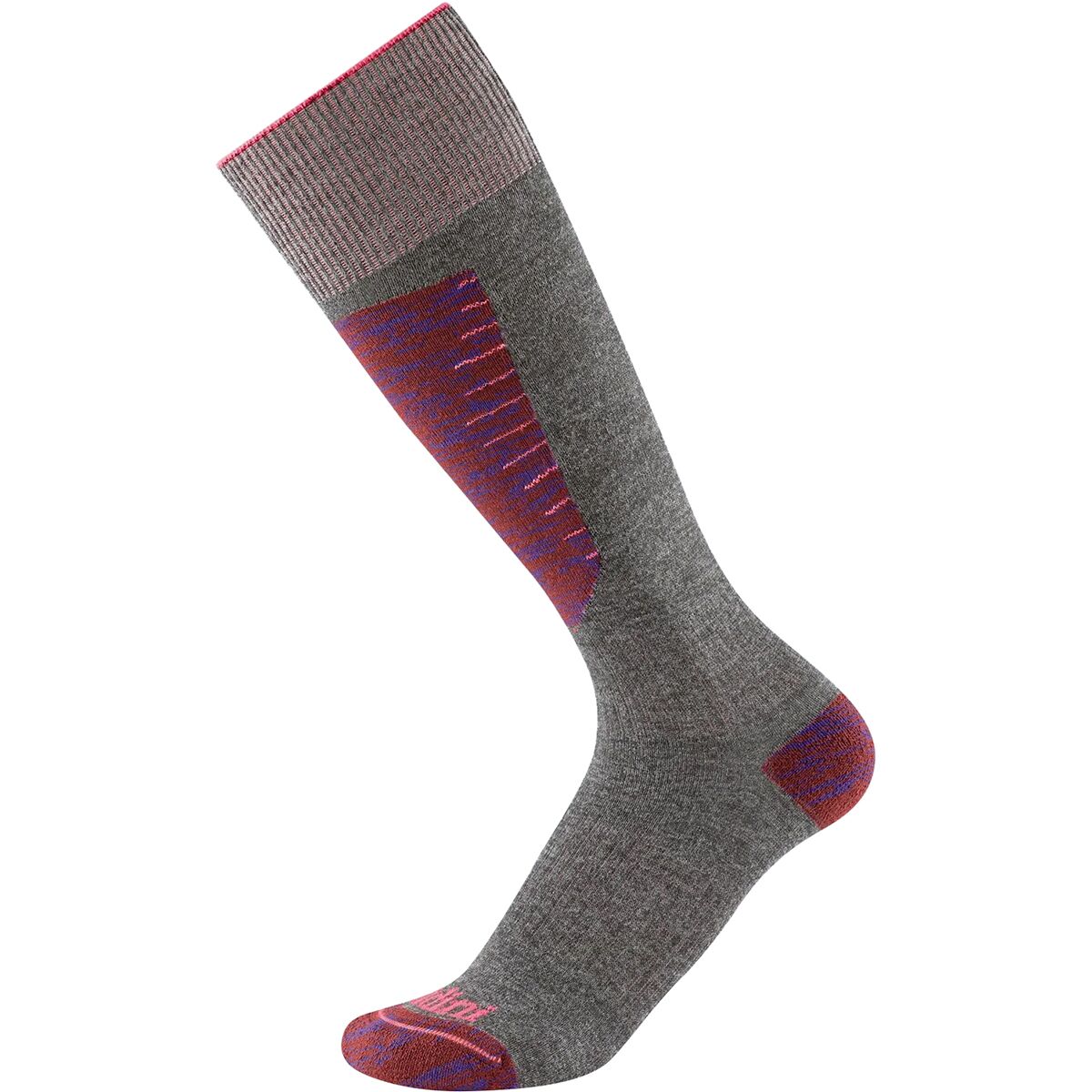
- Quality socks
- Rain shell
- Small pack
- Light insulation
- Blister kit
Durability + Low Pack Weight
- Footwear already proven over long mileage
- Simple repeatable clothing system
- Rain protection
- Sun protection
- Trekking poles if useful
- Repair / replacement budget
Leave the Expedition Gear Home.
- No tent needed for standard albergue itineraries.
- No wilderness food carry.
- No technical mountain equipment.
- Laundry is part of Camino life.
- Every unnecessary item becomes foot fatigue.

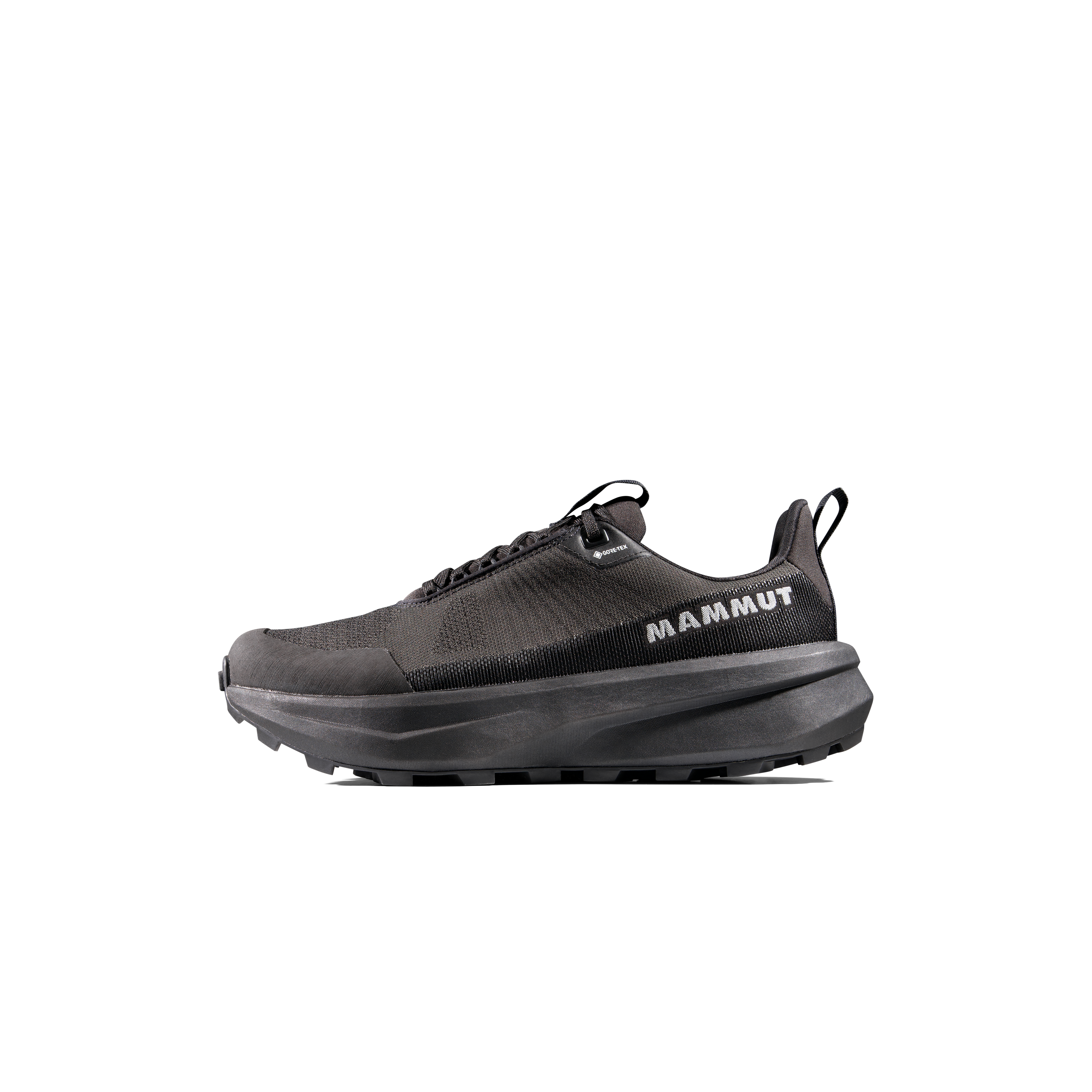
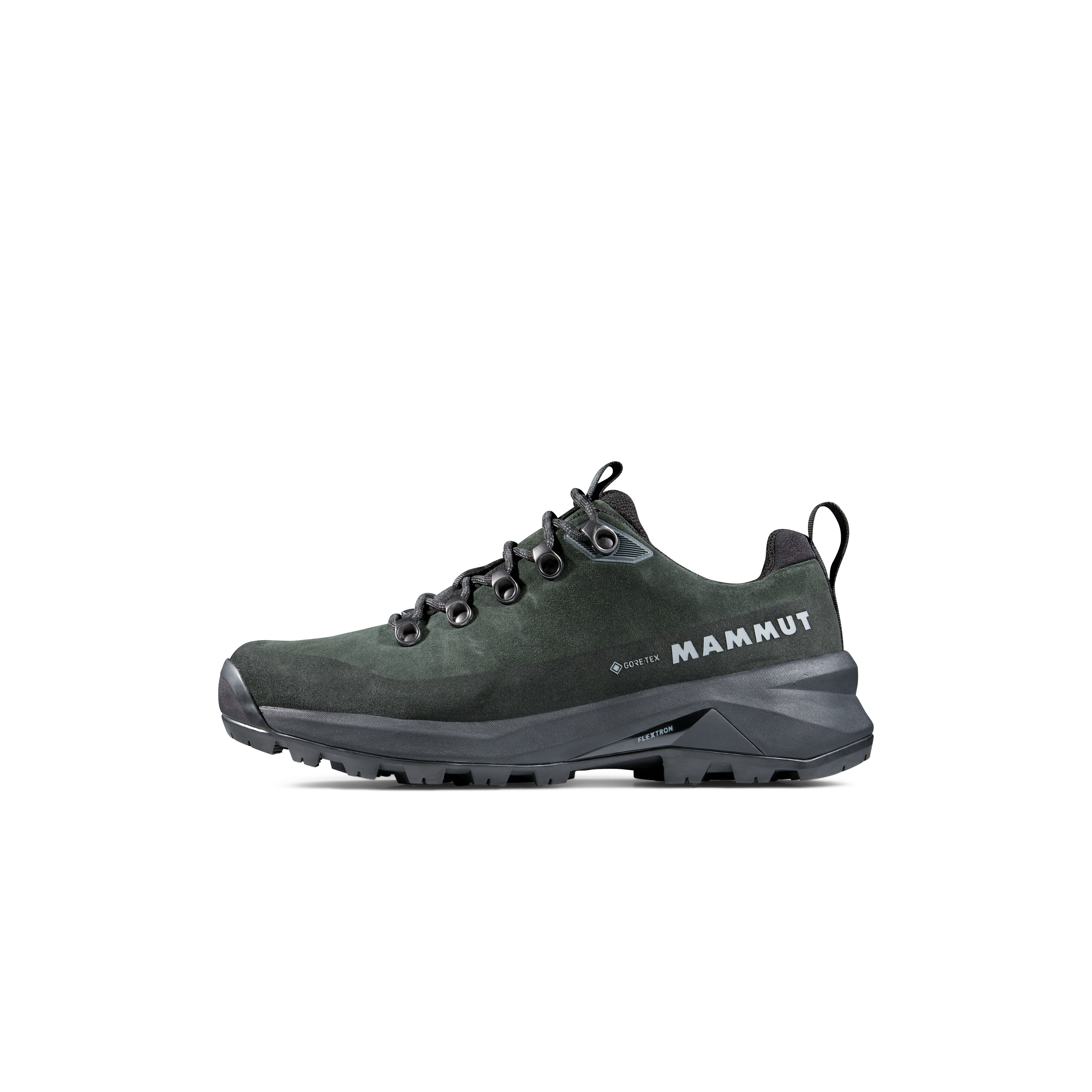
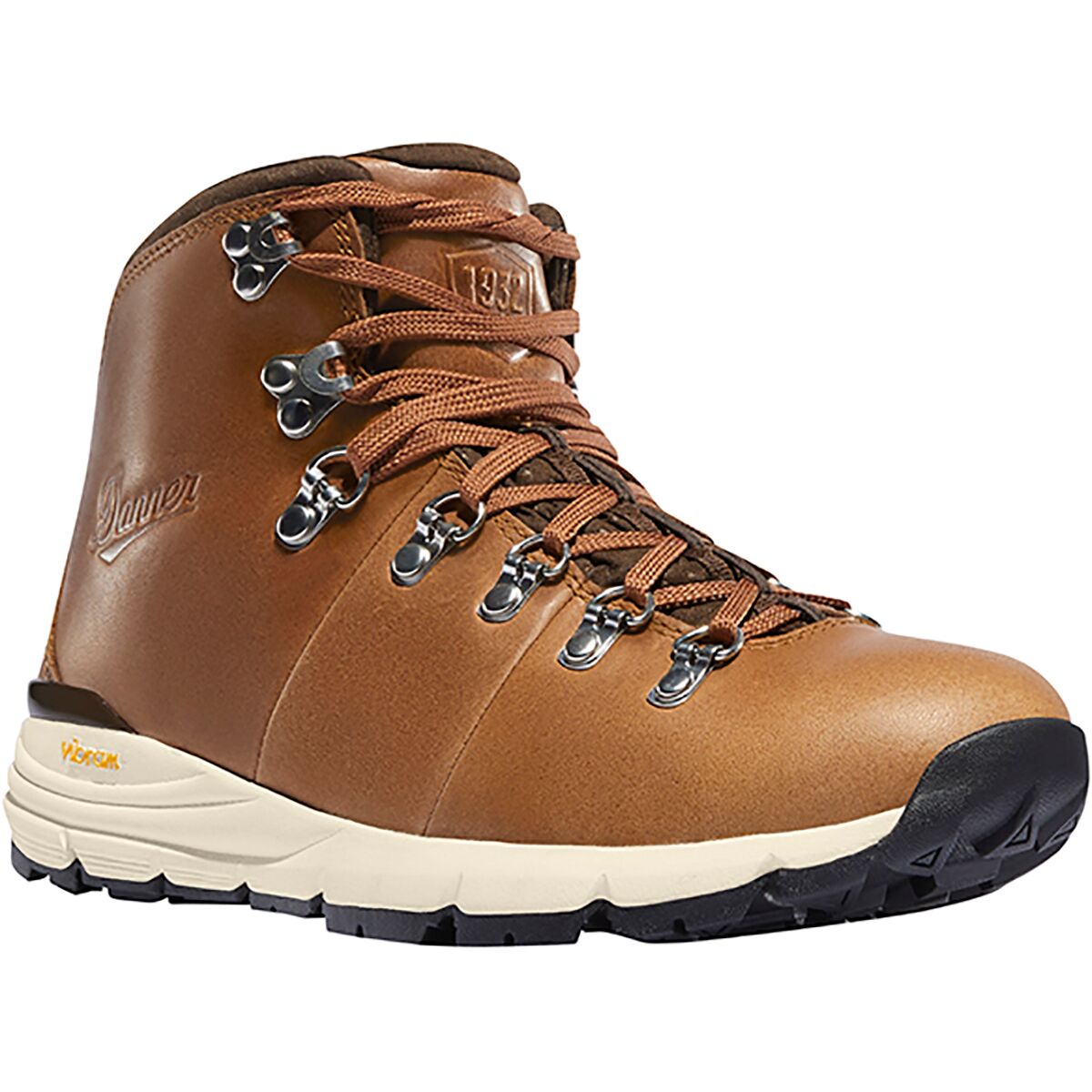
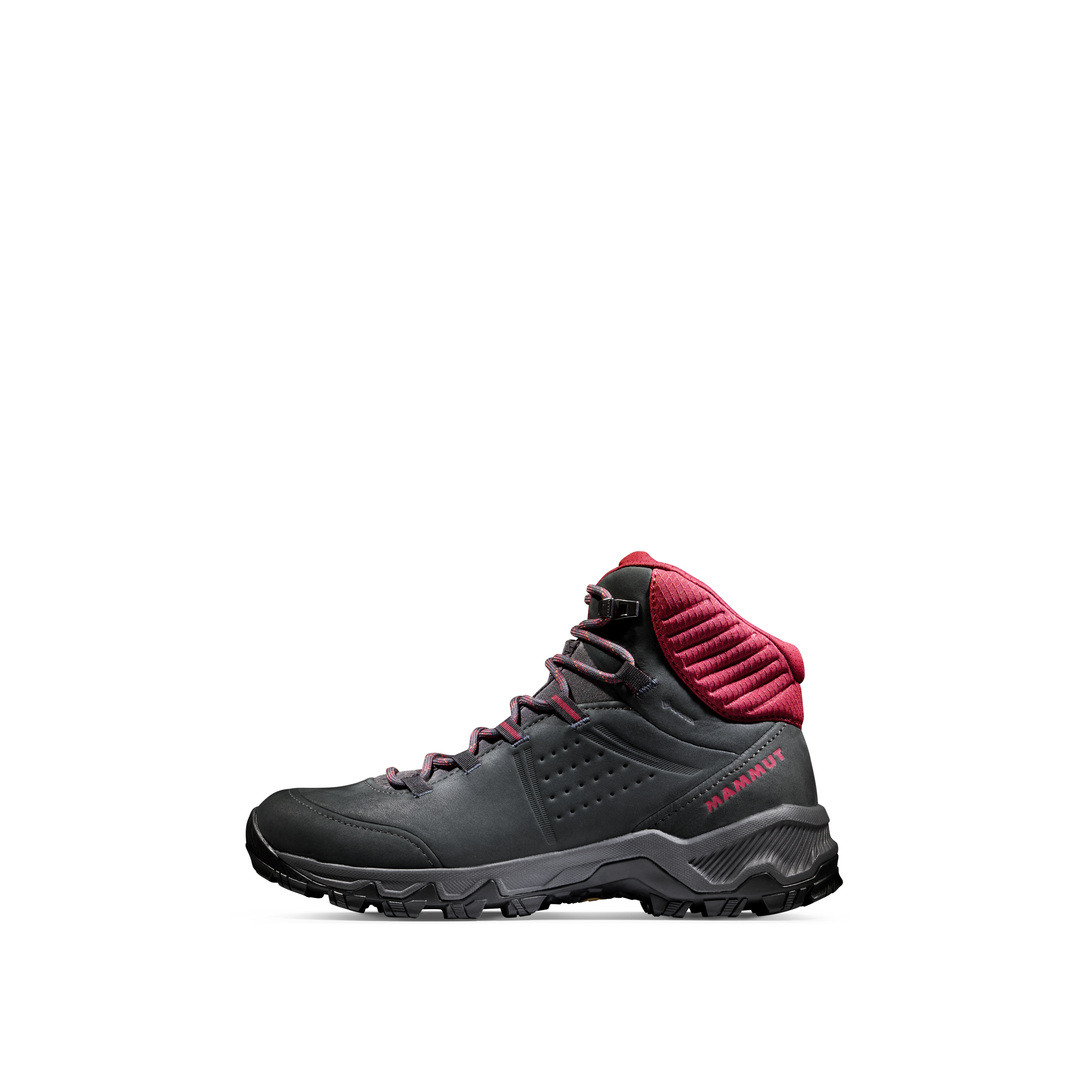
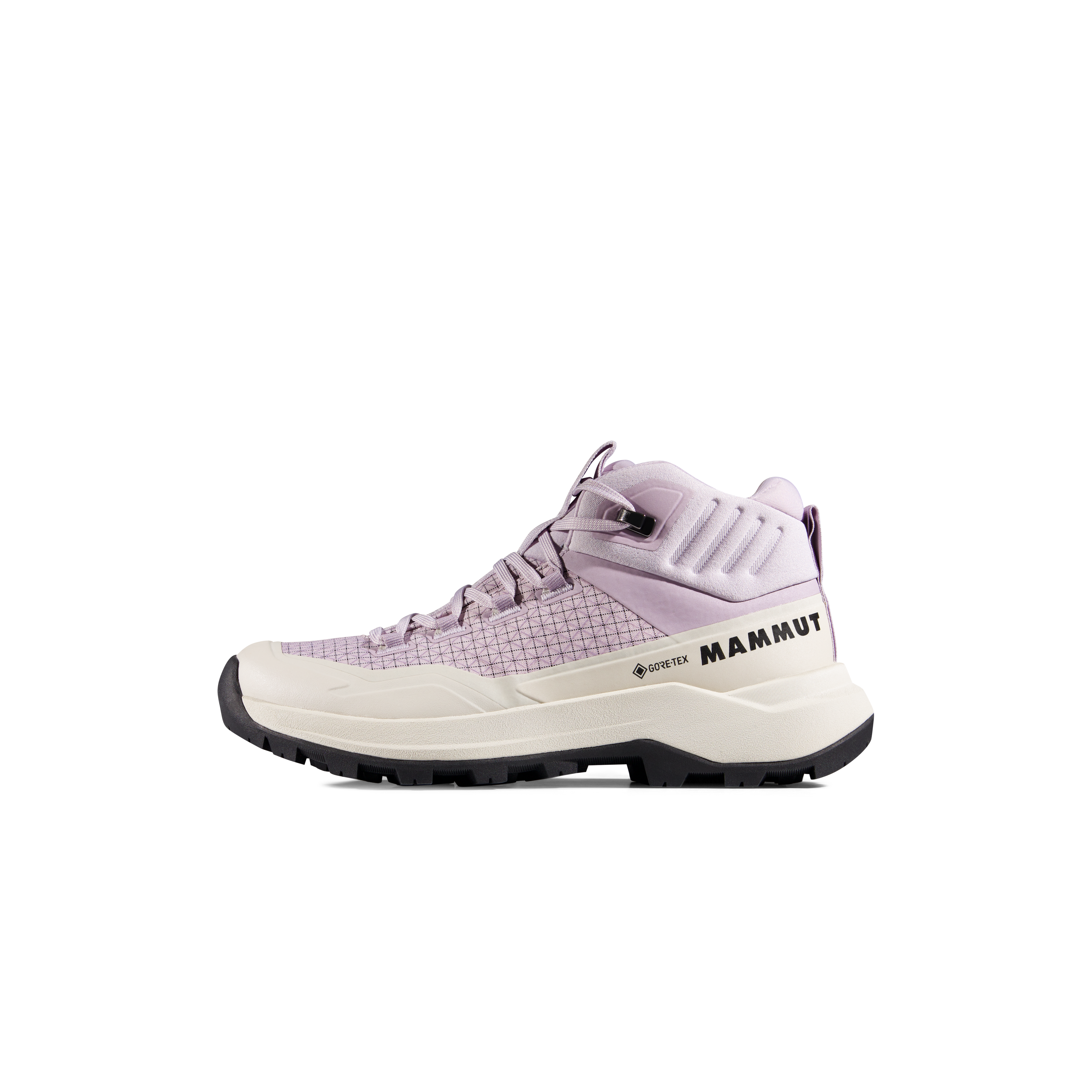
We may earn a commission if you buy through these links, at no extra cost to you. Affiliate disclosure

On the Francés, Tiny Gear Problems Have Five Weeks to Grow.
A slightly uncomfortable shoe, one recurring hot spot or an unnecessarily heavy pack may be manageable on a short Camino.
Over 780 km those small problems are repeated hundreds of thousands of times. That is why experienced pilgrims focus less on carrying more equipment and more on eliminating friction.
The same principle applies to the Inglés. The only difference is that Santiago arrives much sooner.



One Camino Lives Entirely in Galicia. The Other Crosses Northern Spain.
These are planning maps rather than turn-by-turn navigation tracks.
Ferrol → Santiago
The route bends around the Galician rías through Neda, Pontedeume and Betanzos before the final line through Bruma and Sigüeiro to Santiago.
Saint-Jean-Pied-de-Port → Santiago
The classic route crosses the Pyrenees and northern Spain through Navarra, Rioja, Castilla y León and Galicia.
Which Camino Fits You?
Available time should make most of this decision for you.
You Want a Complete Camino in One Week.
- You have 5–7 walking days.
- You want to reach Santiago on foot.
- You want a straightforward Compostela-distance plan.
- You prefer a quieter route.
- You want to prebook a simple itinerary.
- You do not have a month away from normal life.
You Want the Camino to Become the Trip.
- You have at least a month.
- You want maximum pilgrim community.
- You want major landscape variety.
- You value stage flexibility.
- You want the classic Saint-Jean start.
- You are prepared for cumulative fatigue.
One Week Feels Short and Five Weeks Feels Impossible.
- Camino Portugués from Porto · roughly two weeks
- Camino Primitivo · roughly two weeks and hillier
- Francés from León · roughly two weeks depending pace
- Francés from Sarria · about one week but much busier
- Portugués Coastal · two-week Atlantic alternative
When efficiency matters most.
When the pilgrimage itself matters most.

Santiago Does Not Care Whether You Needed Five Days or Five Weeks to Reach It.
The value of the route is not proportional to its length. Walk the Inglés if a meaningful week is what your life can hold. Walk the Francés if you want enough time for the Camino itself to become your temporary way of life.
Pilgrims arriving at Santiago Cathedral · Jules Verne Times Two / Wikimedia Commons.Camino Inglés vs Camino Francés FAQ
The questions that usually decide between the one-week English Way and the classic French Way.
Which is better, Camino Inglés or Camino Francés?
Camino Inglés is better when you have about one week and want a complete historic route into Santiago. Camino Francés is better when you have roughly five weeks and want the classic long Camino experience with maximum infrastructure, community and landscape variety.
Which is easier?
Camino Inglés is easier as a total trip because it lasts only five or six days. Individual Inglés stages still contain hills and hard surfaces. The Camino Francés has several mountain sections and requires sustaining walking for more than a month.
How long is the Camino Inglés from Ferrol?
Galicia’s official Camino authority lists the Ferrol branch at 112.4 km to Santiago. Most pilgrims walk it in five or six days.
How long is the Camino Francés?
Roughly 780 km from Saint-Jean-Pied-de-Port to Santiago is a useful planning figure. Most full-route pilgrims need approximately 33–38 walking days depending on pace and rest days.
Can the Camino Inglés qualify for the Compostela?
Yes. The Ferrol branch is officially 112.4 km, which exceeds the current general requirement of completing at least the final 100 continuous kilometres on foot on a recognized route into Santiago. Pilgrims must also meet the current credential and pilgrimage-purpose requirements.
Does the Camino Inglés from A Coruña qualify for the Compostela?
Not by distance alone under the normal rule. The official route from A Coruña is only 72.8 km. Special or supplemental arrangements may apply in specific situations, but pilgrims should verify these directly with the Pilgrim Office rather than assuming eligibility.
Which route is more crowded?
Camino Francés is dramatically busier. In 2025 it represented roughly 45.6% of recorded Camino pilgrims, while Camino Inglés represented about 5.7%.
Is Camino Inglés good for a first Camino?
Yes. It is one of the strongest first choices for people with limited vacation time because the route is historic, waymarked, supported by pilgrim lodging and long enough from Ferrol to satisfy the general Compostela walking-distance rule.
Is Camino Francés good for a first Camino?
Yes. Despite its length, the Francés is arguably the easiest long Camino to understand logistically because it has the deepest accommodation, food, transport and pilgrim-service infrastructure.
What is the hardest stage of the Camino Inglés?
Betanzos to Bruma is normally the route’s most consequential physical stage because of its distance, rolling terrain and accumulated climbing.
What is the best time to walk either route?
May, June and September are especially strong for both. The Inglés can also work well in midsummer because Galicia is cooler than much of inland Spain. The Francés in July and August can involve significant heat, crowds and lodging pressure.
Is 2027 a Holy Year on the Camino?
Yes. 2027 is a Jacobean Holy Year because the Feast of Saint James falls on a Sunday. Santiago’s Holy Door opens on December 31, 2026, and pilgrim and visitor demand is expected to be particularly strong during 2027.
Which Camino should I walk first?
Choose the Inglés first if your biggest constraint is time. Choose the Francés first if you have a month or more and want the classic social Camino experience. If you have roughly two weeks, compare both with the Camino Portugués before deciding.
Choose the Camino Here. Verify the Details Before Departure.
Distances are stable planning figures, but diversions, albergues, transport, seasonal services, credential rules and Holy Year arrangements can change.
Once the route is chosen, use its complete Global Summit Guide parent page and current official Camino sources for the actual trip.
Primary Planning Sources
Global Summit Guide · Camino Inglés → Global Summit Guide · Camino Francés → Global Summit Guide · Camino de Santiago Hub → Xunta de Galicia · Official Camino Inglés → Xunta de Galicia · Official Camino Francés → Pilgrim Office · Compostela Requirements → Pilgrim Office · Credencial Rules →Once You Choose the Camino, Stop Comparing and Build the Walk.
This page owns the Inglés-versus-Francés decision. The parent guides own stages, maps, accommodation, transport, credentials and detailed logistics.

One Week? Ferrol. Five Weeks? Saint-Jean.
Choose the Camino Inglés when you want a complete pilgrimage that fits honestly inside a normal week. Choose the Camino Francés when you want enough time for the Camino to become more than a walking trip: community, repetition, fatigue, recovery and a month-long road toward Santiago.
Was this helpful?
🏔Related peaks nearby
🧭Explore & compare
Global Summit Guide is an independent mountaineering resource founded in 2026. The team combines first-hand trekking and climbing experience with in-depth research and professional health and nutrition review to help climbers choose objectives, prepare properly, and stay safe.
Health, altitude, and nutrition content is reviewed by Taylor Ludlow (Registered Nurse) and Brigg Hoopes (Nutritionist).
What We Don't Know Yet
Mountain information changes quickly. This box explains the limits of what this page can responsibly promise.
- Route conditions, trailhead access, crevasse exposure, stream crossings, and rescue access may vary from published planning guidance.
- Comparisons simplify complex decisions; the better mountain depends on current conditions, skills, timing, budget, and risk tolerance.
- Visa, passport, vaccination, border, insurance, and local transportation rules may change before your trip.
Verify current conditions with official land managers, guide services, local forecasts, and current route reports before booking or climbing.
Mountaineering, rock and ice climbing, glacier travel, and high-altitude activity are inherently dangerous and can result in serious injury or death. The information on Global Summit Guide is provided for general informational and educational purposes only and is not a substitute for professional instruction, qualified guiding, proper equipment, or your own judgment and experience.
Route conditions, weather, snowpack, permits, regulations, and hazards change constantly and may differ from what is described here. Details may be incomplete, out of date, or contain errors. Always verify current information with local authorities, certified guides, and official sources before making any decision in the mountains.
Nothing on this site is medical, legal, or financial advice. Our fitness, acclimatization, altitude, and nutrition content is general in nature; consult a qualified physician before beginning any strenuous exercise program or exposing yourself to high altitude.
You are solely responsible for your own safety and decisions. To the fullest extent permitted by law, Global Summit Guide and its team accept no liability for any loss, injury, damage, or expense arising from use of, or reliance on, this information. By using this site you acknowledge these risks and accept these terms.
Some links on this site may be affiliate links. If you buy through them we may earn a small commission at no extra cost to you; this never affects our recommendations.
Global Summit Guide recommendation path
Next Best Mountain to Research
Use these recommendations to continue the right planning path instead of stopping on one page.
Use current permit, weather, route, and operator information before booking or climbing.