
Last updated October 2, 2026
Best Snowshoes 2026: 6 Picks for Winter Hiking & Mountains
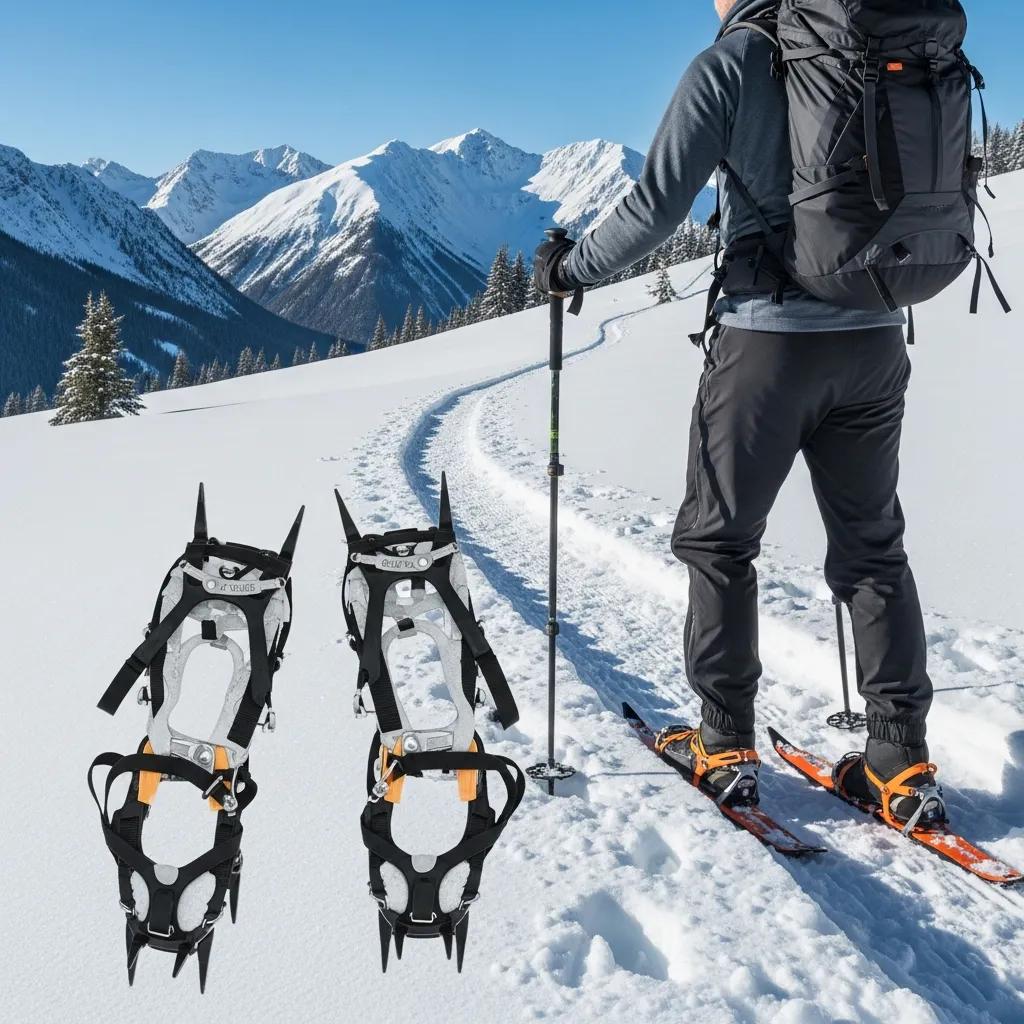
Snowshoes are not oversized microspikes. Their main job is flotation: spreading your weight across more snow so every step does not collapse knee-deep into unconsolidated powder. The best pair depends on three things—your loaded weight, the snow you expect and how steep the terrain becomes.
Use flotation when postholing is the problem.
Use light traction when the trail is firm and slippery.
Use technical traction when slope and fall consequence increase.
Flotation does not make unstable snow safe.
Choose Snowshoes for Flotation First—Then Add Traction for the Terrain.
The basic snowshoe decision is surprisingly simple. If the winter trail is packed hard enough that your boots stay near the surface, snowshoes may add unnecessary weight. If every step breaks deeply through the snowpack, a wider platform can save enormous energy by reducing how far your legs sink.
After flotation comes terrain. A recreational trail snowshoe can be excellent on rolling forest roads and low-angle winter hikes. Steeper mountain routes demand stronger underfoot traction, more secure bindings and often a heel lift that raises the heel during sustained climbs.
This guide therefore does not rank every snowshoe by one universal score. It matches six current models to six useful jobs.
Six Snowshoes for Six Different Winter Jobs
Choose according to terrain and snowpack before comparing secondary features.
| Snowshoe | Best Role | Terrain | Flotation | Traction | Heel Lift |
|---|---|---|---|---|---|
| MSR Lightning Ascent | Technical backcountry | Steep / traversing | Multiple sizes + optional tails | Very aggressive perimeter traction | Yes |
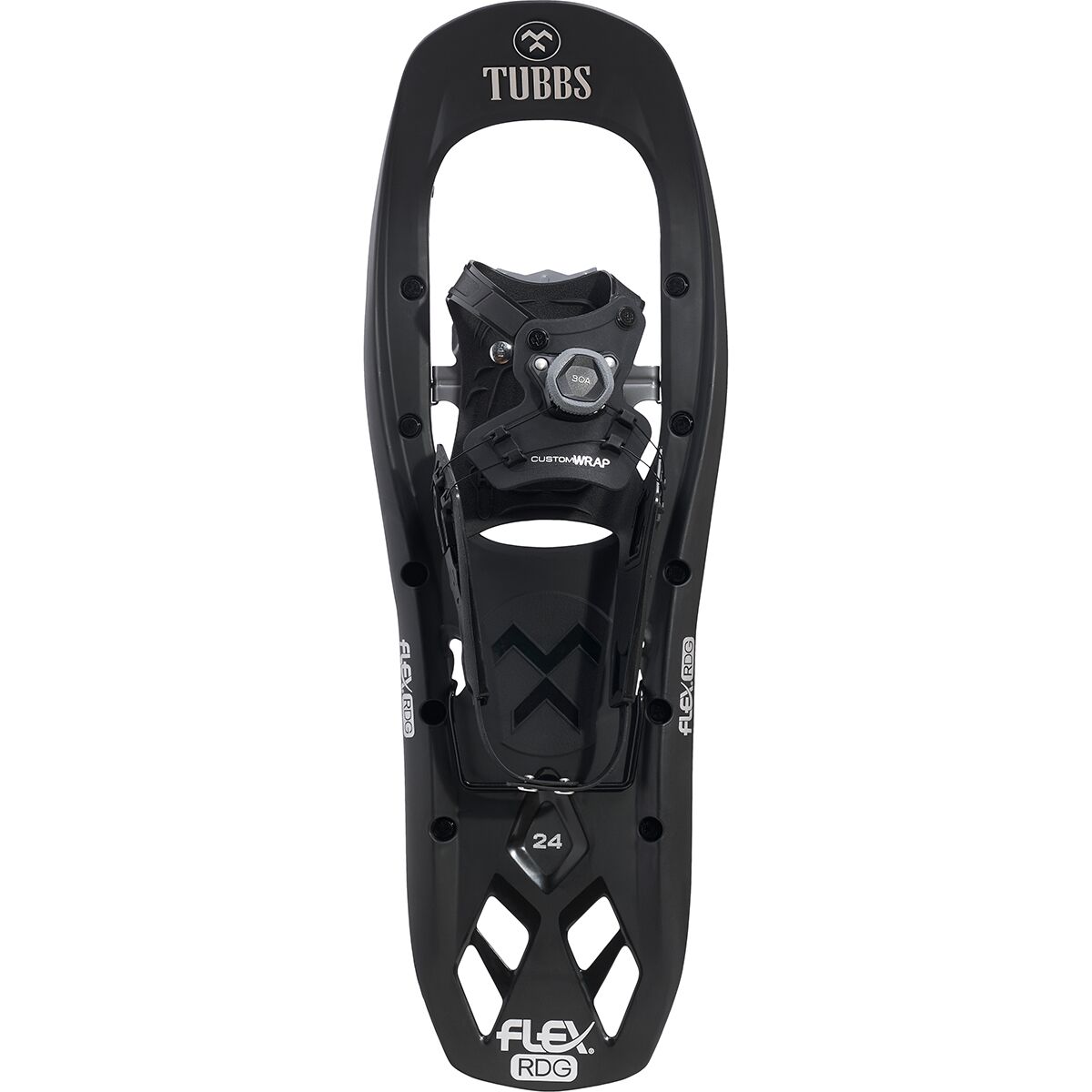
| Tubbs Flex VRT | Steep mixed terrain | Mountain / sidehill | Moderate-high | Toe crampon + rails | 19° |
| MSR Revo Ascent | Rugged mountain value | Steep / variable | Optional flotation tails | Steel traction | Yes |
| Atlas Helium MTN | Light all-mountain | Rolling to steep | Multiple lengths | Crampon + rails | 19° |
| Tubbs Wilderness | Deep-snow day hiking | Rolling backcountry | Excellent larger-size options | Moderate | Yes |
| MSR Evo Trail | Beginner / recreational | Trail / rolling | Good + optional tails | Steel trail traction | No / model dependent |
Snowshoes vs Microspikes vs Crampons
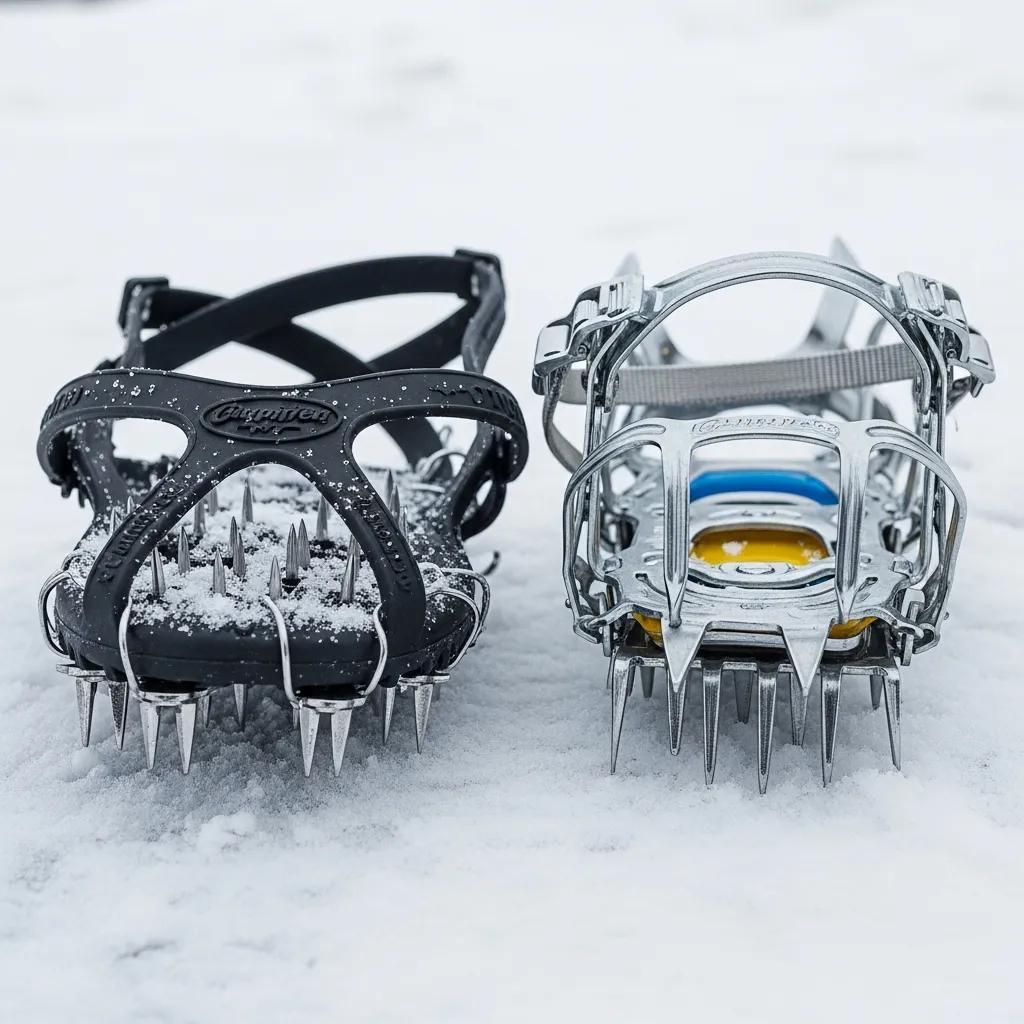
Snowshoes, microspikes and crampons are often grouped together as winter traction equipment, but they solve different problems.
Snowshoes solve depth. Their broad deck spreads your load across soft snow and reduces postholing.
Microspikes solve slippery surfaces. They add small metal points beneath ordinary hiking footwear for packed snow and icy trails.
Mountaineering crampons solve steep, firm terrain. Their longer points and rigid attachment systems are meant for firm snow, ice and mountaineering—not for floating through powder.
Trail Snowshoes vs Backcountry Snowshoes
More aggressive is not automatically better. A technical mountain snowshoe can be unnecessarily heavy and awkward on easy winter trails.
Simple & Comfortable
Recreational models prioritize easy bindings, a natural stride and enough flotation for groomed or lightly broken winter trails.
These are ideal for beginners, packed forest roads and destinations where steep traverses are unlikely.
More Flotation & Traction
Backcountry models add stronger underfoot grip, better sidehill control and bindings designed to stay secure during longer trips.
They are a better match for unbroken trail, heavier packs and variable mountain snow.
Traction & Maneuverability
Steeper terrain rewards aggressive rails, crampon-style teeth, secure bindings and heel lifts. Shorter decks can also be easier to manage on switchbacks and traverses.
Remember: this improves snowshoe performance, not the safe terrain limit of the route itself.
How to Choose Snowshoe Size
Do not size snowshoes from boot size alone. Your total load and the expected snowpack matter much more.
Start With You
Manufacturer load charts usually begin with body weight as the base number.
Use Loaded Weight
Winter boots, clothing, water, avalanche equipment and an overnight pack all increase the load the snowshoe must float.
Powder Needs Area
Light unconsolidated powder generally rewards a larger surface area than dense or already-compacted snow.
Steep Terrain Rewards Control
A giant snowshoe floats beautifully but can become awkward on tight switchbacks and steep traverses.
| Conditions | Preferred Direction | Why |
|---|---|---|
| Packed winter trail | Shorter / narrower | Less flotation needed; easier stride and turns. |
| Mixed mountain conditions | Mid-size | Balances flotation and maneuverability. |
| Deep Rocky Mountain powder | Larger surface area | More flotation reduces postholing. |
| Heavy overnight pack | Move up load range | Snowshoe must support body plus carried equipment. |
Bindings, Traction Rails & Heel Lifts
These features matter much more in cold mountain terrain than flashy cosmetics or tiny differences in listed weight.
Easy With Winter Gloves
A snowshoe binding should center the boot, stay secure and remain manageable when your hands are cold. BOA-style dials, stretch mesh systems and glove-friendly straps each approach that problem differently.
Test the binding with the actual winter boot you plan to wear.
Look Beyond the Toe Crampon
Mountain-oriented snowshoes add side rails or perimeter teeth to improve grip while traversing. This matters when your direction of travel is across the slope rather than straight uphill.
More underfoot metal generally improves grip but can add weight and rigidity.
Useful on Long Climbs
A heel riser supports the heel during sustained uphill travel, reducing how far the ankle must flex with every step.
It adds little value on flat terrain but can be one of the most useful mountain-specific features on a long ascent.
Six Snowshoes Worth Comparing
These cover the useful spectrum from approachable winter hiking to steep backcountry travel.
MSR Lightning Ascent
The Lightning Ascent is built for winter hikers who regularly leave simple packed trails and need strong traction on climbs and traverses.
- Perimeter-style traction frame
- Technical underfoot crampon traction
- Secure flexible binding
- Heel riser for climbing
- Multiple lengths for load and flotation
Tubbs Flex VRT
The Flex VRT combines an articulating composite deck with a precision-fit binding and aggressive traction for uneven backcountry terrain.
- Flexible torsion-style deck
- BOA-based binding
- Carbon-steel toe traction
- Side traction rails
- 19-degree heel lift
MSR Revo Ascent
The Revo Ascent combines a tough molded deck with extensive steel traction and optional flotation tails.
- Durable composite deck
- Steel perimeter / underfoot traction
- Secure mountain binding
- Heel riser
- Optional flotation tails
Atlas Helium MTN
Atlas builds the Helium MTN around a lightweight composite platform, secure BOA adjustment and traction designed for varied mountain terrain.
- Light composite deck
- BOA-based Wrapp binding
- Underfoot crampon traction
- Side rails
- 19-degree climbing aid
Tubbs Wilderness
The Wilderness uses a more traditional aluminum-frame approach with larger length options that make sense for winter hikers prioritizing flotation.
- Aluminum frame
- Flexible decking
- Padded binding system
- Toe and heel traction
- Large-size options for heavier loads
MSR Evo Trail
The Evo Trail is a durable, simple snowshoe for recreational winter hiking and rolling terrain, with steel traction and optional tails for extra flotation.
- Durable molded platform
- Steel underfoot traction
- Simple glove-friendly binding
- Optional flotation tails
- Compact trail-friendly shape
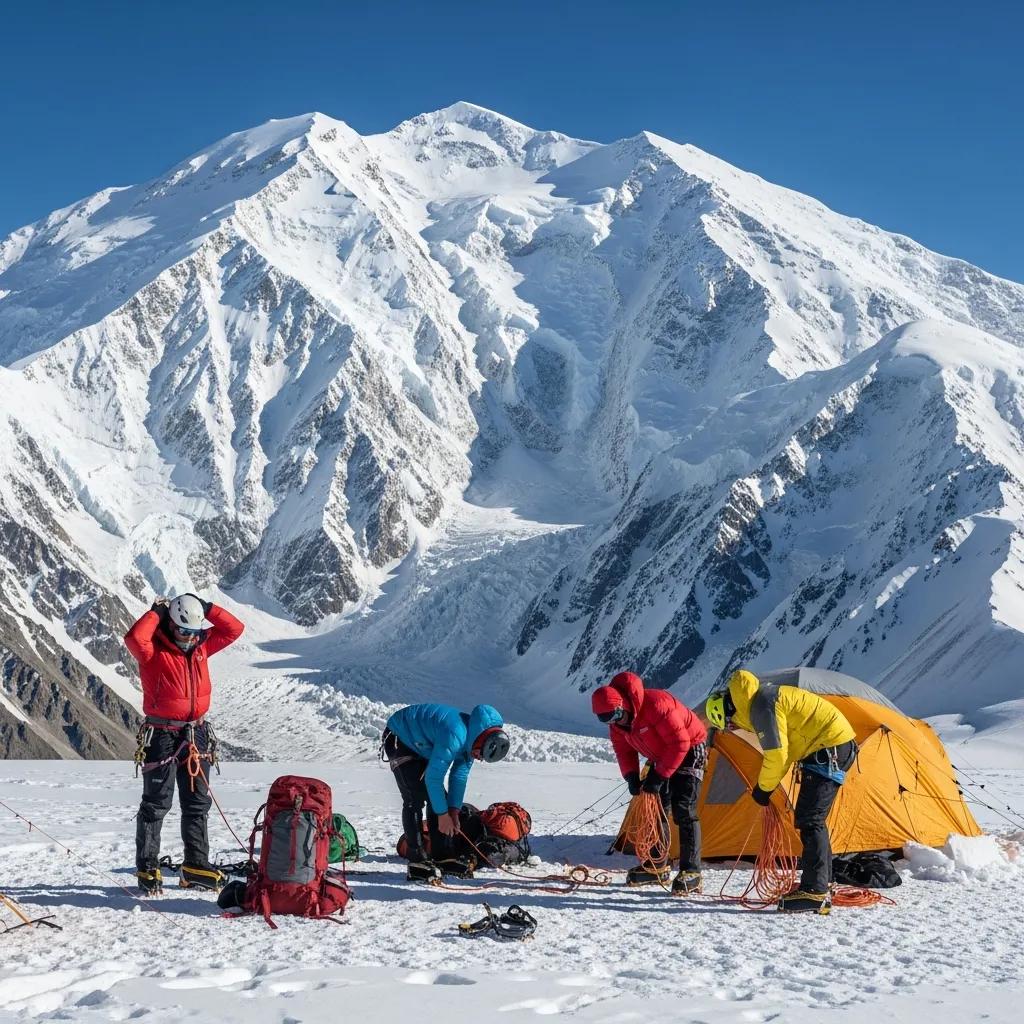
If Every Step Sinks Deeply, Traction Is Not Your First Problem.
Snowshoes exist to keep you closer to the surface. Once the snow becomes firm and steep, the winter-equipment decision changes.
Snowshoes Work Better With the Right Boots, Gaiters & Poles
The snowshoe is only the platform. The footwear and support system determines whether your feet stay dry and your movement stays efficient.
Warm, Waterproof & Binding-Compatible
Most recreational snowshoes work with winter hiking boots rather than specialized mountaineering footwear. Prioritize warmth, waterproofing, secure heel hold and enough structure that the binding does not create pressure points.
Keep Loose Snow Out
Gaiters become especially useful in deep powder because snow thrown upward by each step can enter the boot collar. Choose a model tall enough for the conditions and secure it properly around the boot.
Add Winter Stability
Adjustable trekking poles with snow baskets improve balance on uneven surfaces, creek crossings, descents and sidehill terrain. Larger baskets help prevent poles from disappearing deeply into soft powder.
How to Walk in Snowshoes Without Fighting Them
Snowshoeing is easy to learn, but a few movement habits save energy and prevent stepping on your own frames.
Use a Normal Stride
Avoid exaggerating the width of your stance unless the frames are actually contacting each other.
Engage the Heel Lift
On sustained slopes, raise the climbing bar where equipped and use a deliberate uphill cadence.
Stay Balanced
Keep poles ready, maintain control and avoid leaning so far backward that the front traction loses useful engagement.
Use Small Steps
On tight terrain, several short steps are safer and less awkward than trying to pivot a long snowshoe in one motion.
Snowshoes Do Not Make Avalanche Terrain Safe
The snowshoe solves flotation. It says nothing about whether the snowpack above, below or around you is stable.
Winter hikers often enter avalanche terrain more gradually than skiers: a forest road becomes a sidehill, a drainage crosses beneath a steep slope or a summer trail climbs into an open bowl. The footwear has not changed—but the consequences have.
Check the local avalanche forecast before entering snow-covered backcountry mountains. Learn to identify avalanche terrain and runout zones. When your route enters avalanche terrain, appropriate education, group travel practices and rescue equipment become part of the plan.
Snowshoeing Near Denver & Salt Lake City
Both the Colorado Front Range and Wasatch turn ordinary summer hiking routes into very different winter objectives once snow accumulates.
Denver-Area Winter Mountains
The mountains west of Denver range from lower foothills to high alpine terrain. In winter, the same summer route may require snowshoes, microspikes or full mountaineering equipment depending on current snow depth, wind loading and slope.
Do not treat the summer difficulty rating as a winter rating.
Mountains Near DenverSalt Lake & Wasatch Winter Hiking
The Wasatch offers quick access to deep mountain snow, but many summer hiking destinations also intersect avalanche terrain. Choose a winter route based on current conditions rather than simply following the summer trail.
Lower-angle winter hikes can be excellent snowshoe objectives when the snowpack and route are appropriate.
Mountains Near Salt Lake CityCompare Current Snowshoes
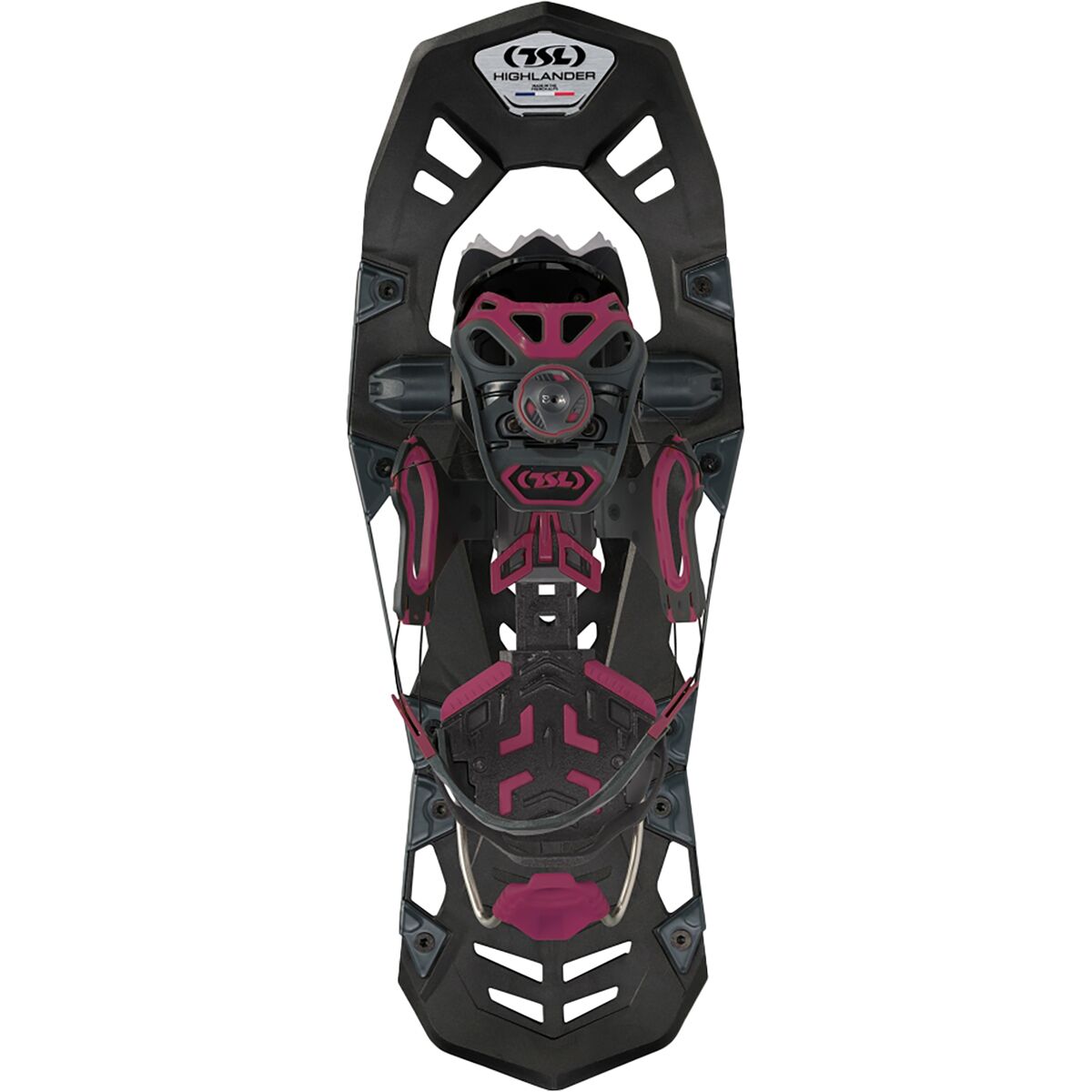
Use the live module after deciding whether you need recreational, deep-snow or mountain-oriented snowshoes.
Current Snowshoe Picks
Compare current inventory, then confirm manufacturer sizing against your total loaded weight and expected snow conditions.
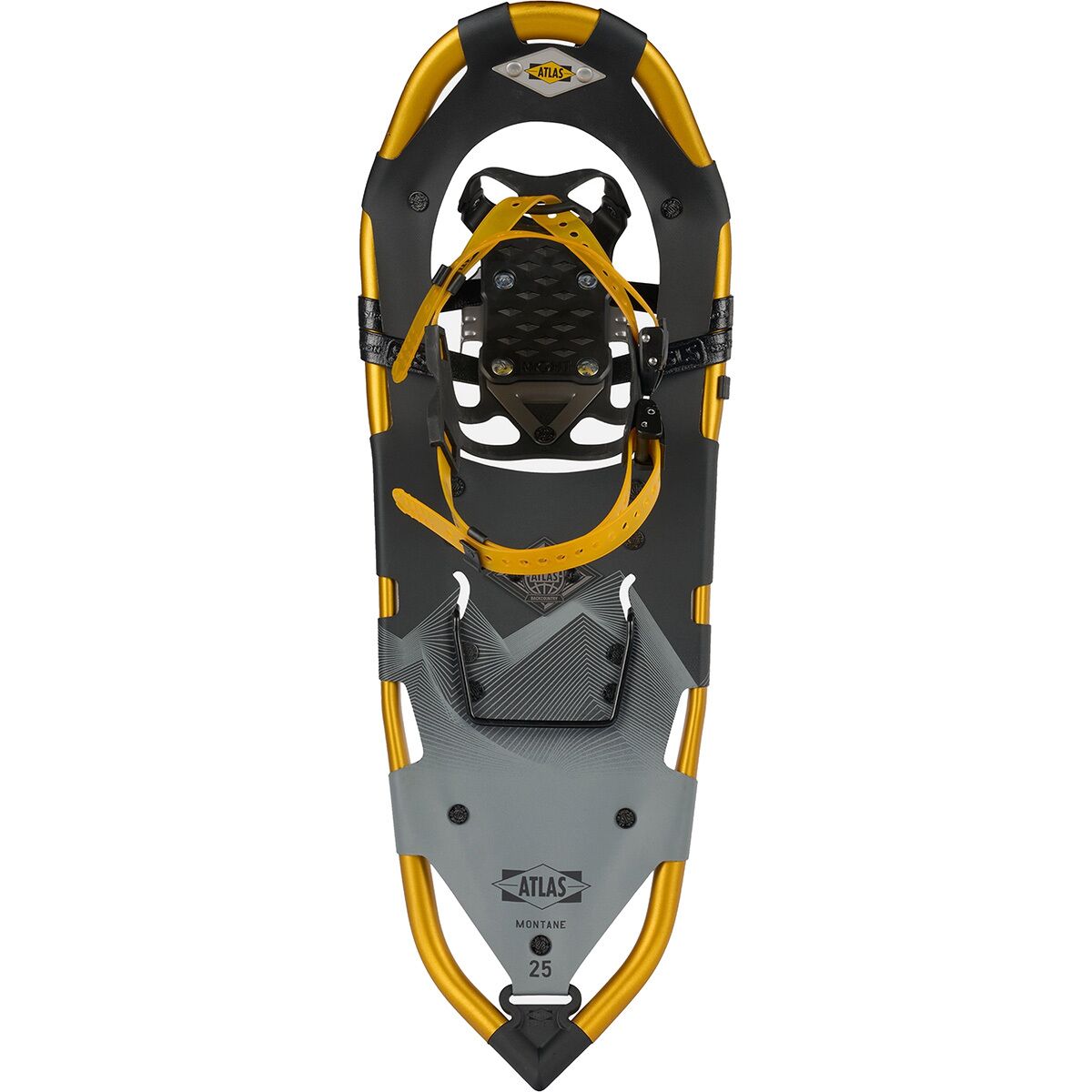
- Atlas SnowshoesAtlas Snowshoes Montane Snowshoe – Men's$249.95Check price at Back Country (opens in a new tab)



We may earn a commission if you buy through these links, at no extra cost to you. Affiliate disclosure
Which Snowshoe Should You Buy?
Start with the terrain you actually use most often.
| Your Main Use | Prioritize | Model Direction |
|---|---|---|
| Easy winter trails | Simple binding, comfortable stride, durability | MSR Evo Trail |
| Deep powder with moderate terrain | Surface area and load capacity | Tubbs Wilderness |
| Mixed mountain terrain | Traction + climbing aid + secure binding | Atlas Helium MTN |
| Steep backcountry | Sidehill grip and heel lift | Tubbs Flex VRT / MSR Revo Ascent |
| Technical snowshoe routes | Maximum traction with maneuverability | MSR Lightning Ascent |
| Occasional first winter | Consider rental before ownership | Rent / entry-level trail snowshoe |
Snowshoe FAQ
When do I actually need snowshoes?
Use snowshoes when soft snow is deep enough that ordinary boots repeatedly sink and posthole. If a trail is well packed and firm, microspikes or ordinary winter footwear may be more efficient.
Are snowshoes better than microspikes?
Neither is universally better. Snowshoes provide flotation in deep, unconsolidated snow. Microspikes provide traction on packed snow and icy trails. Many winter hikers carry both when conditions vary.
Can I use snowshoes instead of crampons?
Not on terrain that genuinely requires mountaineering crampons. Snowshoe teeth improve grip, but a snowshoe is still a flotation platform. Steep firm snow, hard ice and technical mountaineering require the appropriate boots, crampons and skills.
What size snowshoes do I need?
Start with your total loaded weight rather than boot size. Then consider snow density and terrain. Deep powder generally rewards more surface area; steep mountain terrain rewards a more compact, maneuverable frame.
Are heel lifts worth having?
They are especially valuable on long sustained climbs because they support the heel and reduce the amount of ankle flexion required with every uphill step. They add little value to mostly flat routes.
Do I need gaiters with snowshoes?
They are highly useful in deep or loose snow. Gaiters help keep snow from entering the top of your boots and can reduce the amount of wet snow reaching socks and lower pants.
Do snowshoes make avalanche terrain safer?
No. Snowshoes affect flotation and traction, not avalanche hazard. When your route enters avalanche terrain, current forecasting, terrain recognition, education, group practices and appropriate rescue equipment become part of the trip.
Should beginners rent snowshoes first?
Renting can be a smart first step because it lets you discover how often you actually encounter deep enough snow to need them and what deck length, binding and terrain style work best for you.
Related Winter Gear Guides
Match the Tool to What the Snow Is Doing.
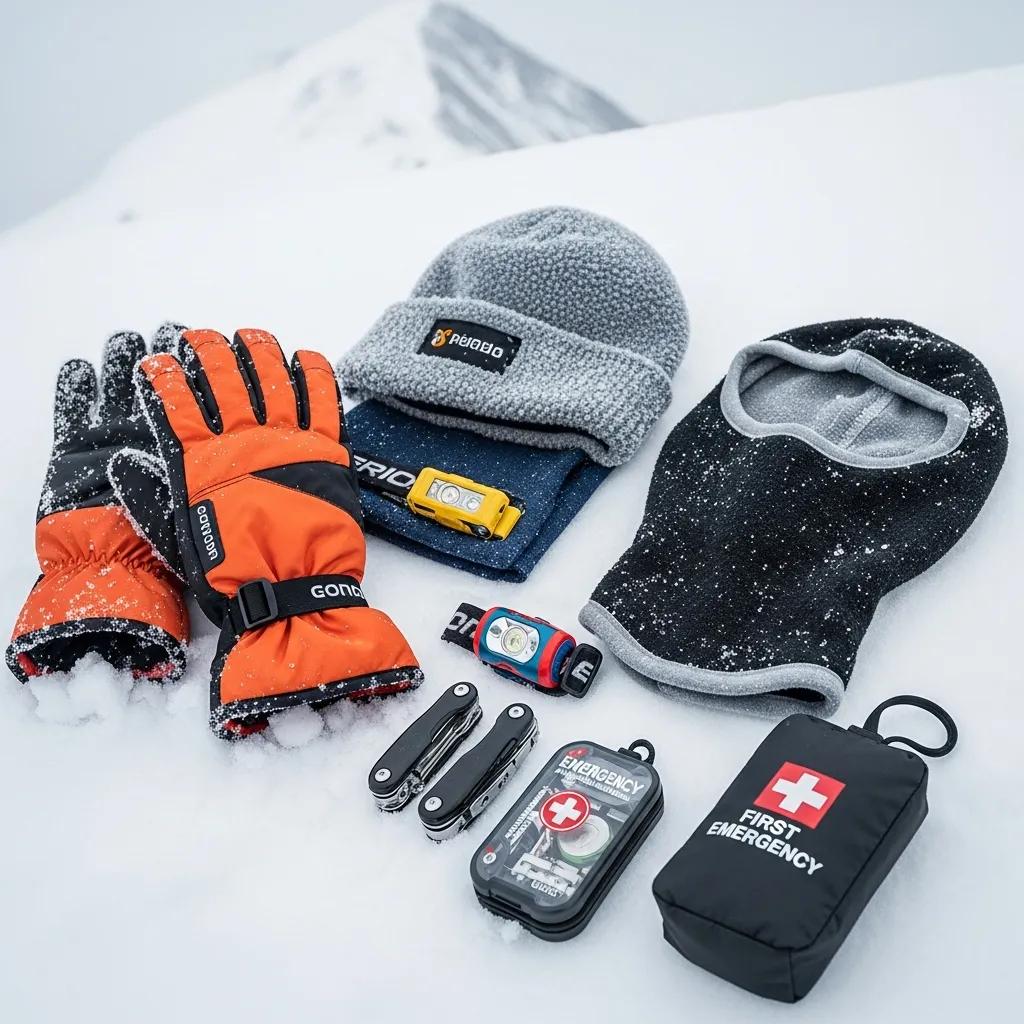
Deep powder calls for flotation. Packed icy trails call for surface traction. Steep firm snow calls for mountaineering equipment. Choosing the right tool begins with the snowpack and terrain—not with which piece of gear looks most aggressive.
Was this helpful?
Global Summit Guide is an independent mountaineering resource founded in 2026. The team combines first-hand trekking and climbing experience with in-depth research and professional health and nutrition review to help climbers choose objectives, prepare properly, and stay safe.
Health, altitude, and nutrition content is reviewed by Taylor Ludlow (Registered Nurse) and Brigg Hoopes (Nutritionist).
What We Don't Know Yet
Mountain information changes quickly. This box explains the limits of what this page can responsibly promise.
- Weather, snowpack, avalanche risk, road access, and route conditions can change quickly and may be different on your climbing dates.
- Visa, passport, vaccination, border, insurance, and local transportation rules may change before your trip.
- Route conditions, snowpack, closures, and weather can change quickly after this page is updated.
- Permit rules, fees, quotas, and reservation windows may change between review cycles.
- Operator availability, pricing, guide ratios, and cancellation terms can change by season.
Verify current conditions with official land managers, guide services, local forecasts, and current route reports before booking or climbing.
Mountaineering, rock and ice climbing, glacier travel, and high-altitude activity are inherently dangerous and can result in serious injury or death. The information on Global Summit Guide is provided for general informational and educational purposes only and is not a substitute for professional instruction, qualified guiding, proper equipment, or your own judgment and experience.
Route conditions, weather, snowpack, permits, regulations, and hazards change constantly and may differ from what is described here. Details may be incomplete, out of date, or contain errors. Always verify current information with local authorities, certified guides, and official sources before making any decision in the mountains.
Nothing on this site is medical, legal, or financial advice. Our fitness, acclimatization, altitude, and nutrition content is general in nature; consult a qualified physician before beginning any strenuous exercise program or exposing yourself to high altitude.
You are solely responsible for your own safety and decisions. To the fullest extent permitted by law, Global Summit Guide and its team accept no liability for any loss, injury, damage, or expense arising from use of, or reliance on, this information. By using this site you acknowledge these risks and accept these terms.
Some links on this site may be affiliate links. If you buy through them we may earn a small commission at no extra cost to you; this never affects our recommendations.
Global Summit Guide recommendation path
Next Best Mountain to Research
Use these recommendations to continue the right planning path instead of stopping on one page.
Use current permit, weather, route, and operator information before booking or climbing.