Last updated November 6, 2026
Best Shoes for the Camino de Santiago: 11 Walking and Trail Options (2026)
The best Camino shoes are comfortable on day 20, not just day one. Compare proven footwear categories for the Camino Frances, Portugues, Primitivo and Norte, including breathable trail runners, roomy-fit hiking shoes, cushioned pavement options and boots for hikers who know they prefer them.
Updated November 5, 2026 | 11 approved Backcountry models | Prices are feed snapshots, not guaranteed checkout totals.
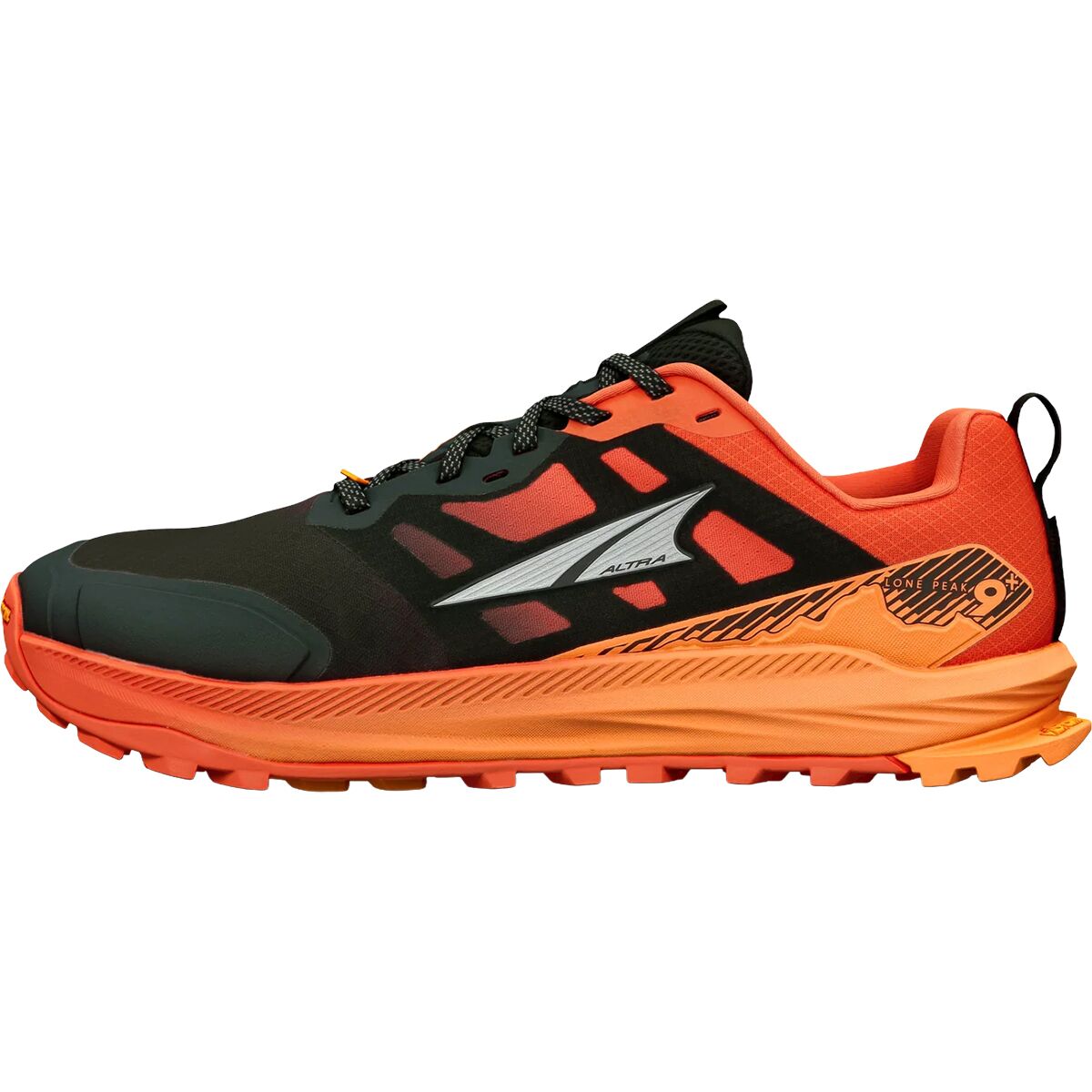
Our Four Quick Camino Shoe Picks
The awards represent practical fit and route-use cases, not a claim that any model is best for every pilgrim. Comfort, toe-room and repeat-day wear are decisive.
Altra Lone Peak 9+
Spring to autumn on the Camino Frances or Portugues
$159.95Check current price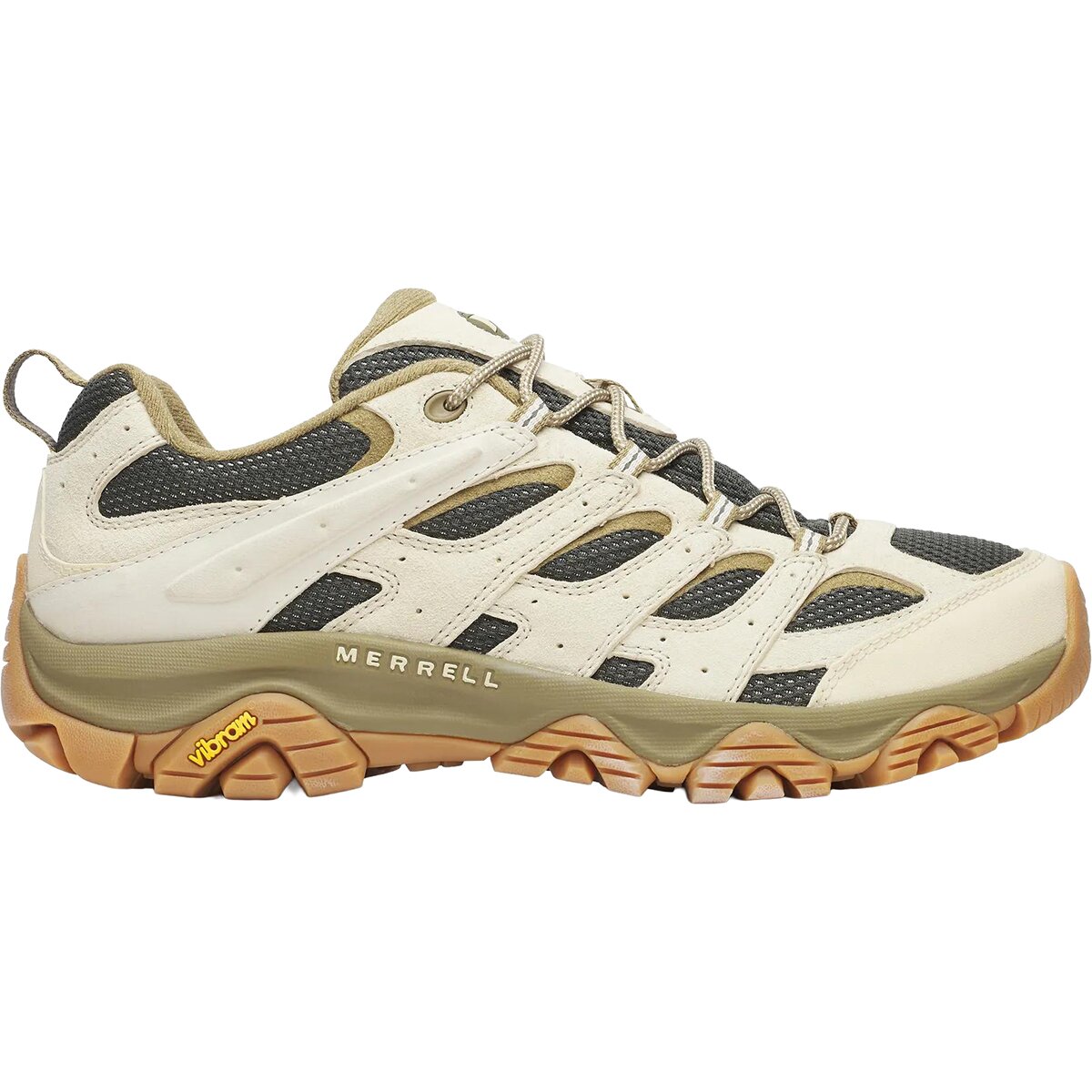
Merrell Moab 3 Hiking Shoe
Travelers who want a familiar hiking-shoe feel without a waterproof membrane
$145.00Check current price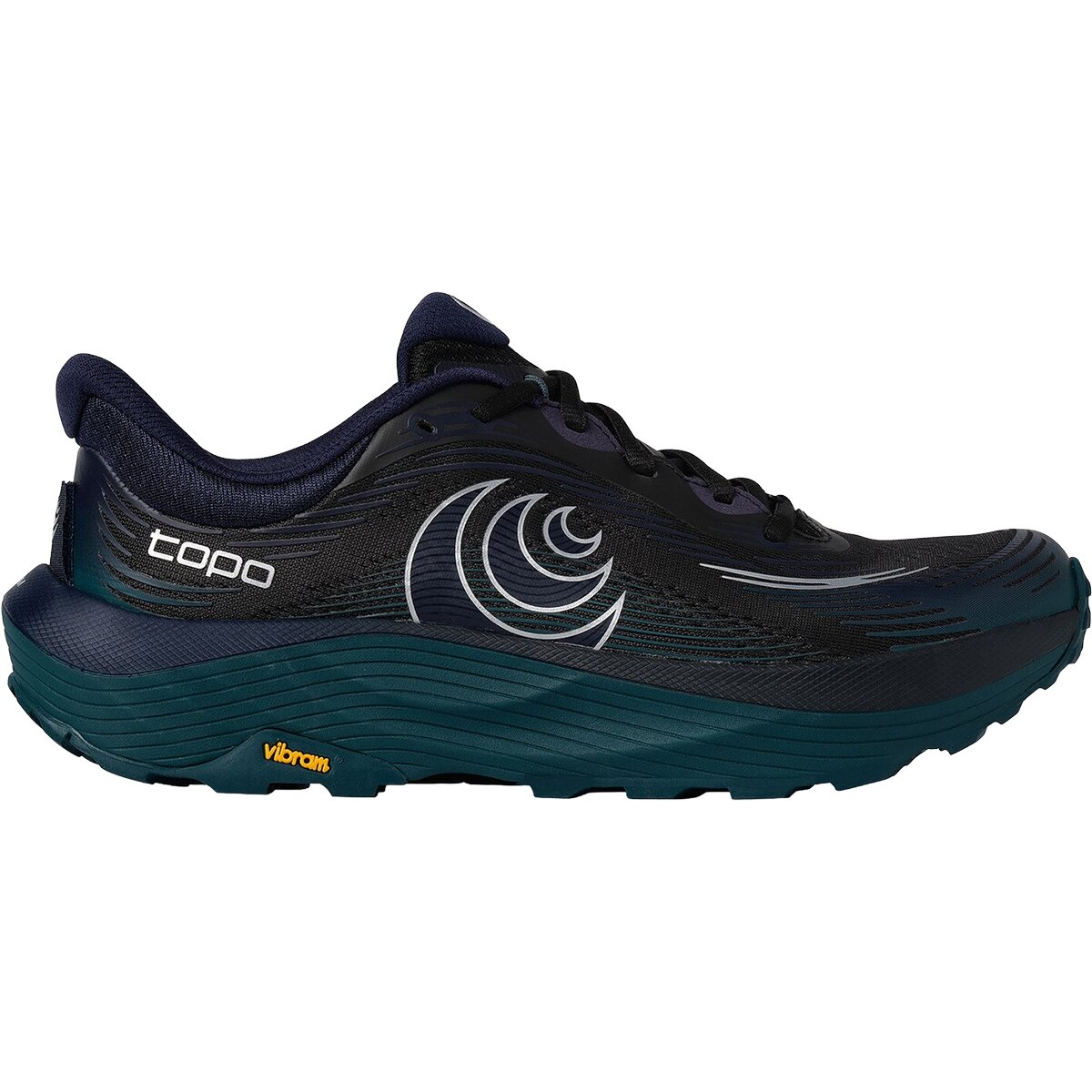
Topo Athletic Ultraventure 5
Pilgrims prioritizing comfort and forefoot room over all-day pavement
$154.95Check current price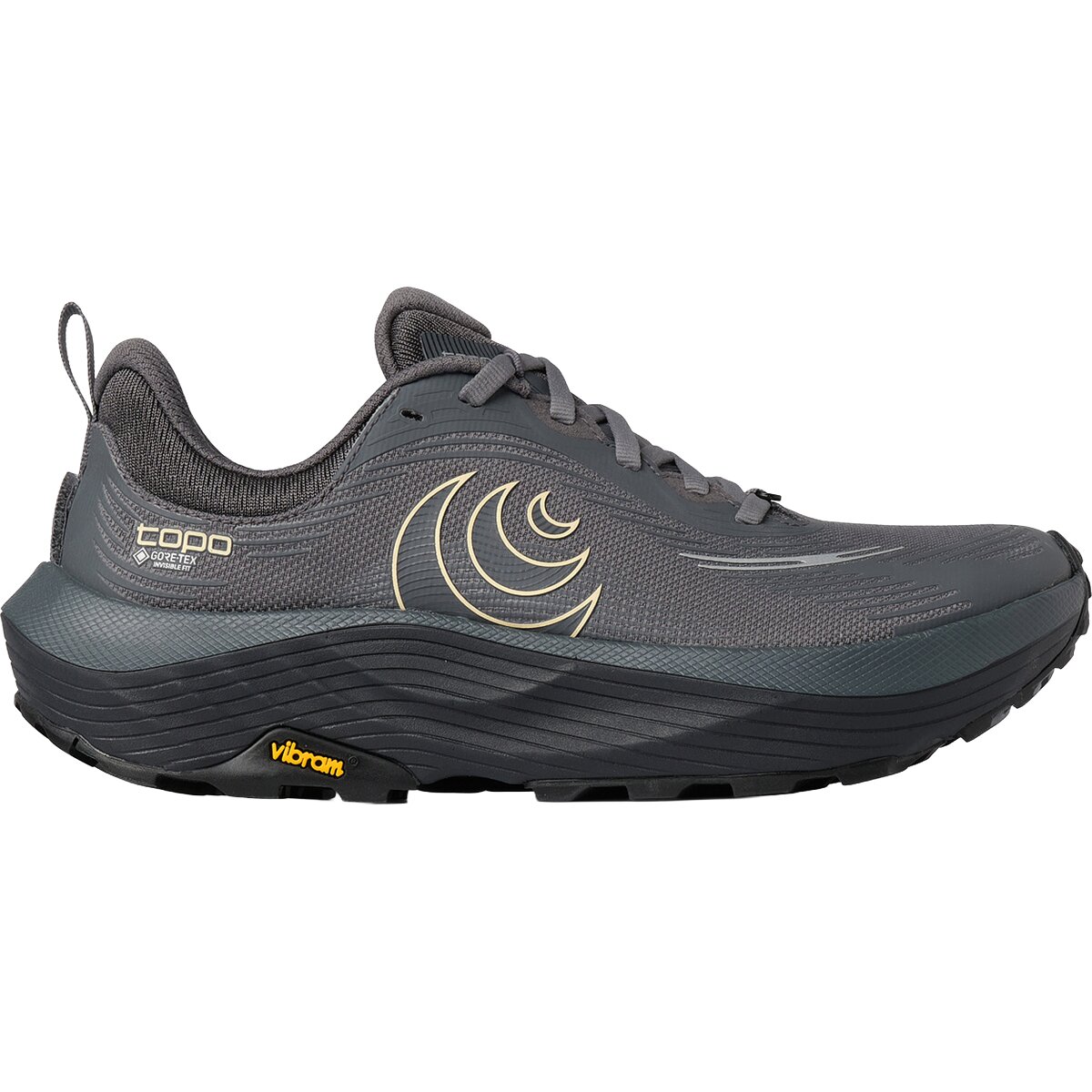
Topo Athletic Ultraventure 5 GTX
Cool and consistently wet periods where membrane trade-offs suit the walker
$179.95Check current priceSortable Camino Shoe Comparison Table
Product prices reflect approved catalog entries. Weight depends on size and sex-specific variant, so a consistent independently checked comparison was unavailable. Rather than presenting incompatible weights as facts, weight is marked for model-size verification. The review uses detailed use-case notes instead of unsupported customer star ratings.
| Weight / rating | Shop | ||||
|---|---|---|---|---|---|
| Altra Lone Peak 9+ Best Overall Trail | $159.95 | Breathable, foot-shaped trail runner | Wide forefoot; zero drop | Check your size / No verified comparable rating | Check price |
| Merrell Moab 3 Hiking Shoe Best Value Hiking Shoe | $145.00 | Traditional low hiking shoe | Supportive structure; non-membrane | Check your size / No verified comparable rating | Check price |
| Topo Athletic Ultraventure 5 Best Roomy Daily Mileage | $154.95 | Cushioned trail running shoe | Roomy toe geometry; trail outsole | Check your size / No verified comparable rating | Check price |
| Brooks Cascadia 20 Best Technical Trail | $159.95 | Protective trail running shoe | Trail protection; traction emphasis | Check your size / No verified comparable rating | Check price |
| Salomon XA Pro 3D V9 Best Secure Trail Fit | $149.95 | Structured trail running shoe | Precise fit; robust trail architecture | Check your size / No verified comparable rating | Check price |
| Altra Lone Peak 9+ Wide Best Wide-Fit Option | $159.95 | Wide-version trail runner | Explicit wide width; zero drop | Check your size / No verified comparable rating | Check price |
| Topo Athletic Terraventure 5 Best Balanced Trail Feel | $145.00 | Trail running shoe with protective focus | Roomy toe profile; mixed-trail design | Check your size / No verified comparable rating | Check price |
| Brooks Ghost Max 4 Running Shoe Best Paved-Stage Comfort | $159.95 | Cushioned road running shoe | Road-oriented cushioning; no trail-specific grip claim | Check your size / No verified comparable rating | Check price |
| Merrell Moab 3 Mid Hiking Boot Best Traditional Mid Boot | $155.00 | Mid-height hiking boot, non-waterproof | Collar coverage; structured hiking design | Check your size / No verified comparable rating | Check price |
| Topo Athletic Ultraventure 5 GTX Best Wet-Weather Option | $179.95 | Waterproof-membrane trail runner | Waterproof lining; roomy forefoot design | Check your size / No verified comparable rating | Check price |
| Altra Timp 6 GTX Best Non-Zero-Drop Altra Alternative | $184.95 | Waterproof trail runner | Membrane; trail traction; alternative geometry to Lone Peak | Check your size / No verified comparable rating | Check price |
Shopping links are exact catalog item matches. Women’s, wide and GTX variants may be separate products with different prices. Never assume that the listed item has every size or color in stock at checkout.
What Makes Camino Footwear Different?
Repeated daily mileage
A comfortable five-mile outing is not enough evidence for a multi-week walk. Train on consecutive days and include pavement, hills and your intended backpack. Small pressure points become big problems when feet are swollen.
A mix of paved and unpaved terrain
The Frances and Portugues commonly include asphalt, village streets and well-graded tracks; the Primitivo brings rougher terrain and steeper elevation changes. No single outsole is ideal everywhere.
A flexible packing strategy
Many walkers use one main pair and lightweight recovery footwear for evenings. Sandals can serve as backup for some pilgrims, but only if already tested on real walking distances.
Fit after swelling
Try shoes in the afternoon with the socks you will carry. Leave comfortable toe room without allowing the heel to slide. Wide fit and longer length solve different problems.
Camino Shoes Reviewed: Benefits, Limitations and Fit Advice
Each matching photo and price comes from the approved Backcountry catalog. These are informed equipment comparisons, not fabricated claims of hands-on testing.
Altra Lone Peak 9+
A roomy, flexible trail runner can work very well for an experienced walker who has already adapted to low-drop shoes. Test the actual outsole and underfoot feel on paved surfaces, descents, loose gravel and repeated days. A foot-shaped toe box does not excuse an insecure heel; if your foot slides forward on a long downhill, the fit is not right.
Roomy forefoot accommodates natural toe spread during high-mileage walking. Flexible and trail-capable.
Zero-drop geometry can strain calves and Achilles if adopted abruptly. Cushioning may feel insufficient on long pavement sections.
Best for: Spring to autumn on the Camino Frances or Portugues
Fit and preparation: Choose the exact size after a long afternoon walk in your intended socks.
Affiliate link. Confirm size, color, shipping and final price on the product listing.
Merrell Moab 3 Hiking Shoe
This is a pragmatic option for walkers who prioritize stability over race-inspired minimal weight. The non-waterproof version is appealing for warm stages and for people who dislike trapped moisture. Consider the wide-specific product when a regular shoe squeezes the forefoot, but be aware that a wider last must still secure the heel.
Stable underfoot feel, established hiking geometry, breathable design, available in distinct wide version.
Heavier and less flexible than some running-style choices; fit may be broad for narrow heels.
Best for: Travelers who want a familiar hiking-shoe feel without a waterproof membrane
Fit and preparation: Try with loaded pack and a continuous 15-20 km training day.
Affiliate link. Confirm size, color, shipping and final price on the product listing.
Topo Athletic Ultraventure 5
Ultraventure is a sensible alternative when narrow trail runners feel constricting. Camino days often move between soft dirt, crushed gravel, roads and hard village pavement, which puts a premium on how the sole feels late in the day, not just on grip at the shop. Break this model in through repeated 20 km walks and verify heel hold on stairs and slopes.
Roomy toe box with trail-focused construction; cushioning for mixed gravel and packed dirt; comfortable candidate for long stages.
No shoe is universally blister-free; outsole and cushioning preferences vary.
Best for: Pilgrims prioritizing comfort and forefoot room over all-day pavement
Fit and preparation: Choose fit and sock system before judging the shoe from a single walk.
Affiliate link. Confirm size, color, shipping and final price on the product listing.
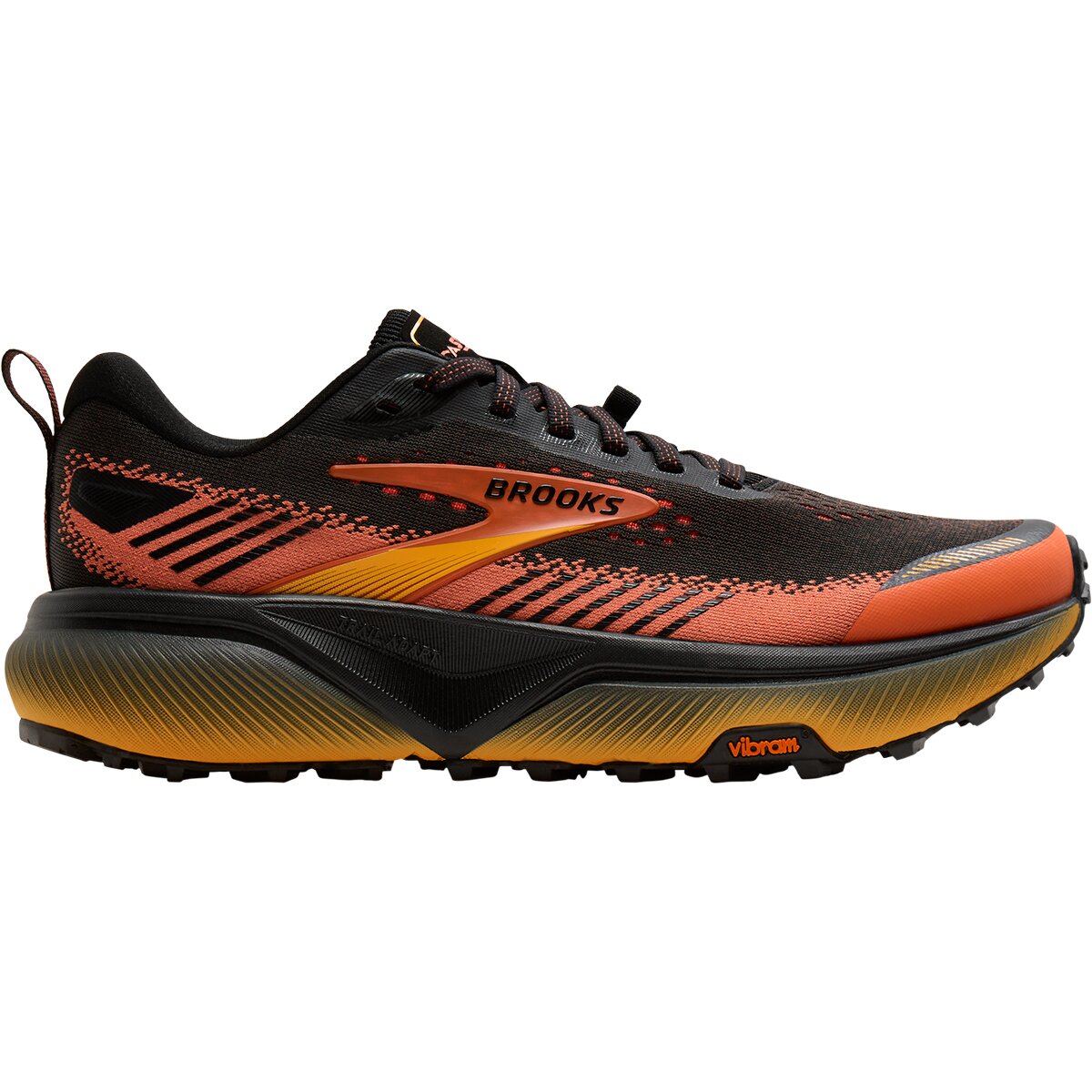
Brooks Cascadia 20
The Cascadia category becomes more relevant when the itinerary includes uneven stone, mud, rough descending or a substantial unpaved component. It is not automatically better for the long road stretches of the Frances. Anyone choosing this shoe should do back-to-back long training walks in mixed terrain and check that forefoot pressure stays comfortable after hours of use.
Protective trail design for rocky underfoot travel; structured traction; secure-feeling trail construction.
May feel firmer or more technical than needed for mostly pavement routes.
Best for: Camino Primitivo and rougher mountain sections
Fit and preparation: Inspect the fit after feet are warm, not only first thing in the morning.
Affiliate link. Confirm size, color, shipping and final price on the product listing.
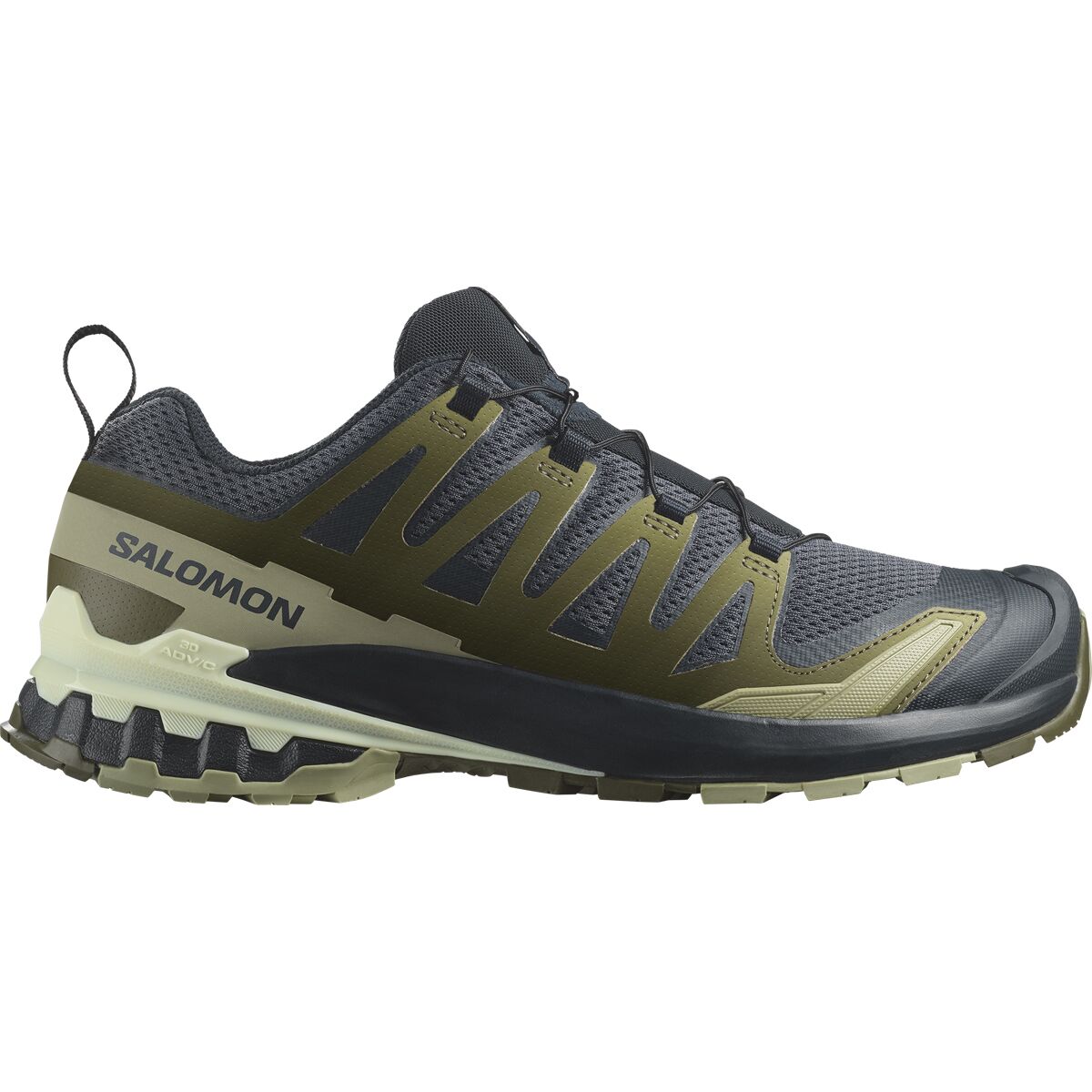
Salomon XA Pro 3D V9
Secure foothold matters on uneven trail segments, yet a tight forefoot is a common problem as walking volume rises. Choose the XA Pro only if the exact last accommodates your toes after a long day. The trade-off is usually more control and protection versus a more relaxed road-walking feel. Test with the lacing setup you will use during consecutive stages.
Structured shoe and controlled fit can feel secure on uneven terrain; durable-minded design.
May be too narrow or restrictive for a swelling forefoot; can feel less forgiving on repeated paved stages.
Best for: Walkers who prefer a snug, controlled feel on rocky tracks
Fit and preparation: Stop if numbness or localized rubbing appears in training.
Affiliate link. Confirm size, color, shipping and final price on the product listing.
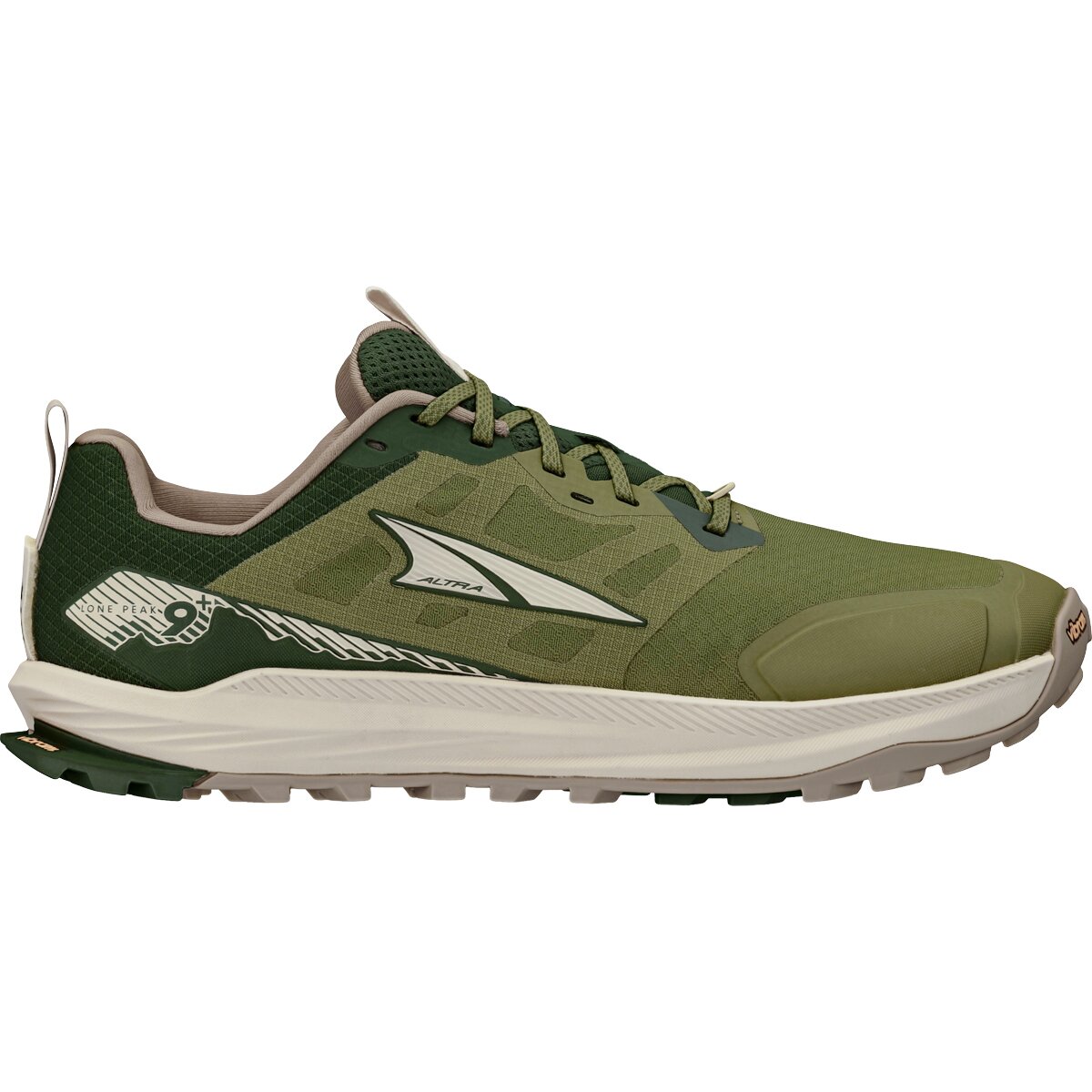
Altra Lone Peak 9+ Wide
The wide variant is a separate catalog product, not an assumption about the standard shoe. It is useful to consider when toe crowding persists despite adequate length. Do not simply buy several sizes larger to solve width, because a loose midfoot or heel can create friction. Test it on a long descent where the foot pushes forward, plus a warm afternoon walk.
Wider fit option for forefoot spread; breathable design; lightweight trail-running approach.
Wider does not mean suitable for every foot; zero drop still requires adaptation.
Best for: Pilgrims who need more width than the standard Lone Peak
Fit and preparation: Verify heel retention and side-to-side security even with more toe room.
Affiliate link. Confirm size, color, shipping and final price on the product listing.
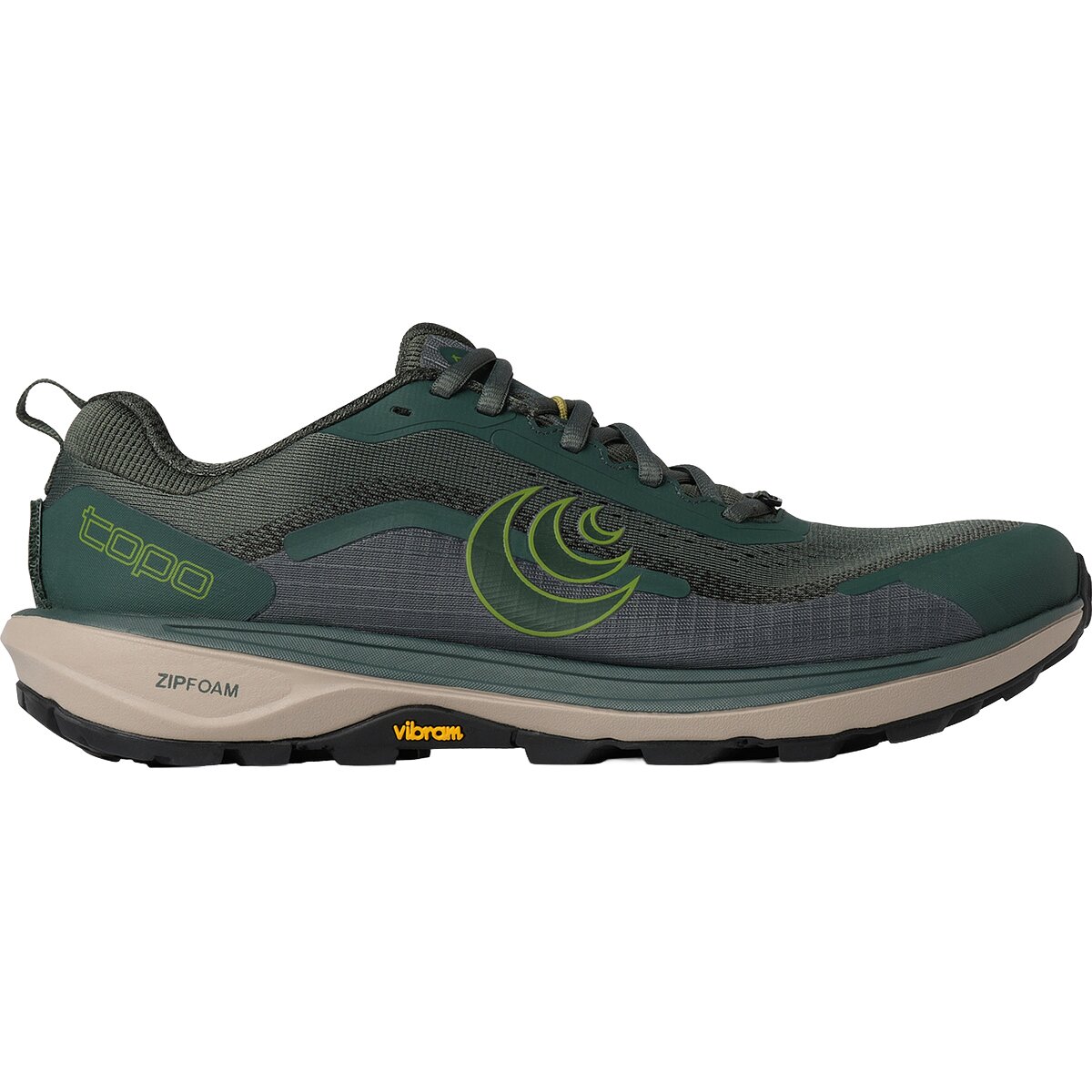
Topo Athletic Terraventure 5
This is a useful middle ground for a pilgrim who wants trail geometry with more protection. What matters most is the combination of heel fit, flex, toe clearance and underfoot comfort during a full stage. Try the shoe on hard road, gravel and slopes in the same week rather than making a choice from outsole photographs.
Combines trail protection and a forefoot-friendly shape; useful choice for dirt tracks and rocky routes.
Not always ideal for hours of asphalt; individual cushioning preference varies.
Best for: Pilgrims seeking a more protective trail shoe without a mid boot
Fit and preparation: Check pressure around the midfoot after loaded walks.
Affiliate link. Confirm size, color, shipping and final price on the product listing.
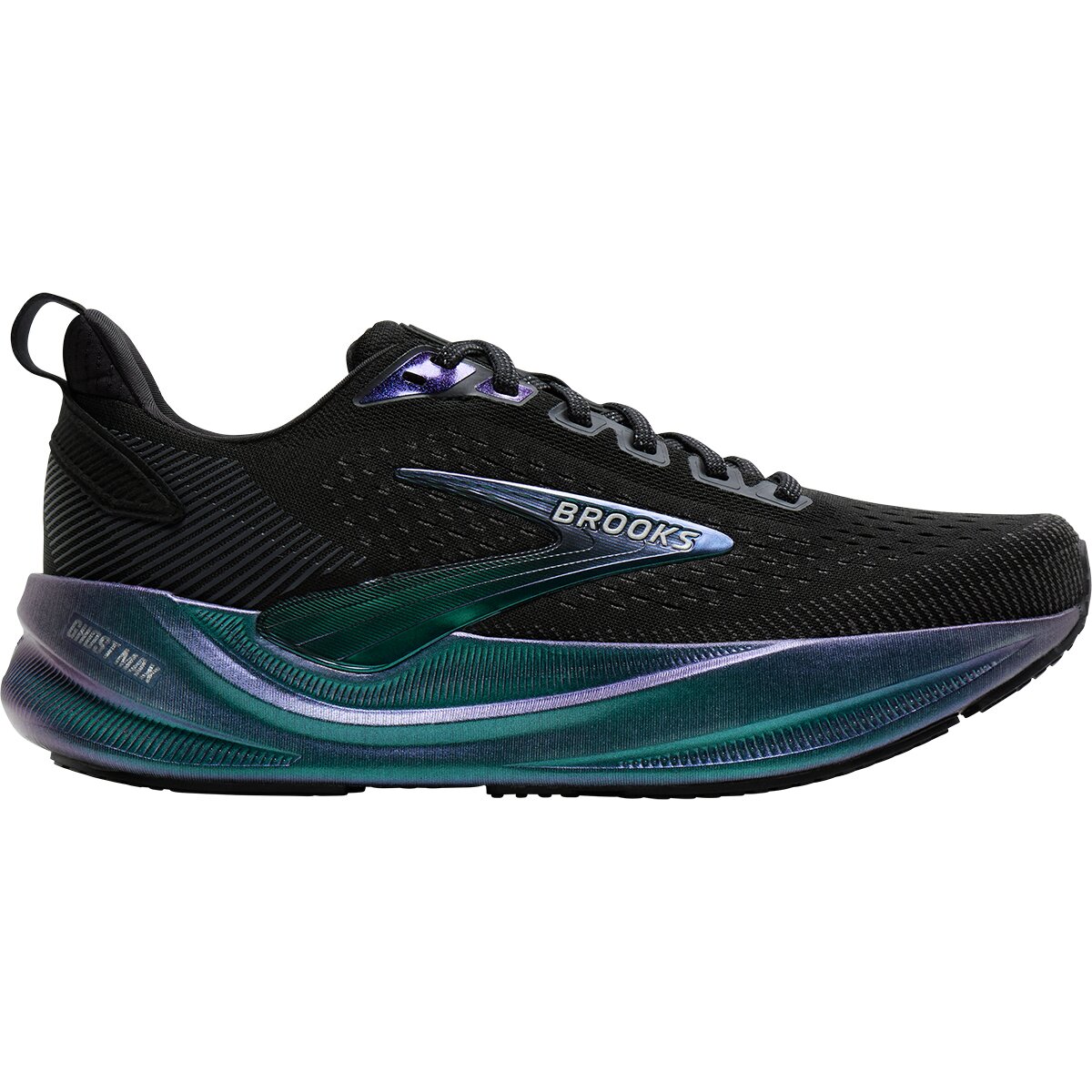
Brooks Ghost Max 4 Running Shoe
A Camino does not always demand an aggressively lugged outsole. For a route or section with mostly paved roads, a comfortable running shoe can reduce the feeling of clomping along in a stiff boot. Yet this is not a substitute for traction in sloppy mud or steep broken terrain. Compare on your real itinerary, not just a generic best-shoe list.
Comfort-focused option for repeated pavement; suitable to consider where routes stay firm and smooth.
Not a technical hiking shoe; less appropriate for mud, rocky passes and slippery ground.
Best for: Paved and well-graded stages in dry weather
Fit and preparation: Choose only after checking planned surfaces and traction needs.
Affiliate link. Confirm size, color, shipping and final price on the product listing.
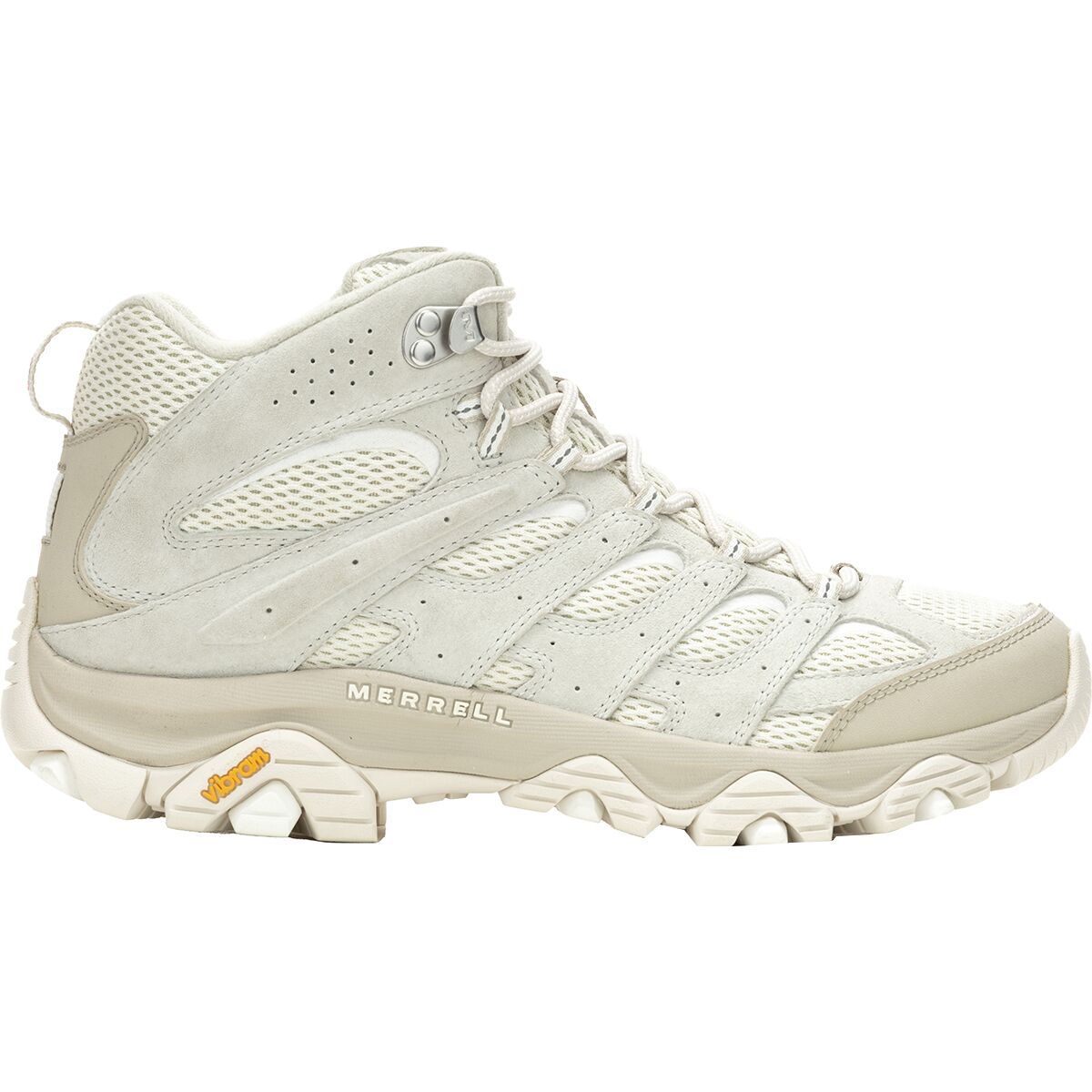
Merrell Moab 3 Mid Hiking Boot
A mid boot is not wrong for the Camino if you have already spent years walking comfortably in boots. It can feel supportive on unstable terrain or with heavier packs. However, for the Frances in summer, its warmth and heft may be an avoidable burden. If you prefer boots, test them with the exact socks, pack and weather likely on the route.
Familiar boot structure; increased ankle coverage; useful for walkers who consistently prefer hiking footwear.
More weight and warmth than many Camino stages require; collar alone does not prevent ankle injuries.
Best for: Travelers already accustomed to boots or expecting rougher conditions
Fit and preparation: Do not buy a mid boot based on an unsupported promise that it prevents sprains.
Affiliate link. Confirm size, color, shipping and final price on the product listing.
Topo Athletic Ultraventure 5 GTX
Waterproof footwear sparks debate among experienced Camino walkers. In cool, prolonged rain, a membrane can be worthwhile if the full clothing system prevents water from spilling down inside. In hot conditions, feet may become damp from sweat anyway. The GTX Ultraventure is best presented as a situational option, not the default for every summer pilgrim.
Provides a membrane barrier against external moisture in appropriate conditions; trail shoe platform with forefoot room.
May retain heat and sweat; slow drying if water enters over the collar; extra cost versus breathable model.
Best for: Cool and consistently wet periods where membrane trade-offs suit the walker
Fit and preparation: Pair with suitable rain layers; never assume waterproof means quick drying.
Affiliate link. Confirm size, color, shipping and final price on the product listing.
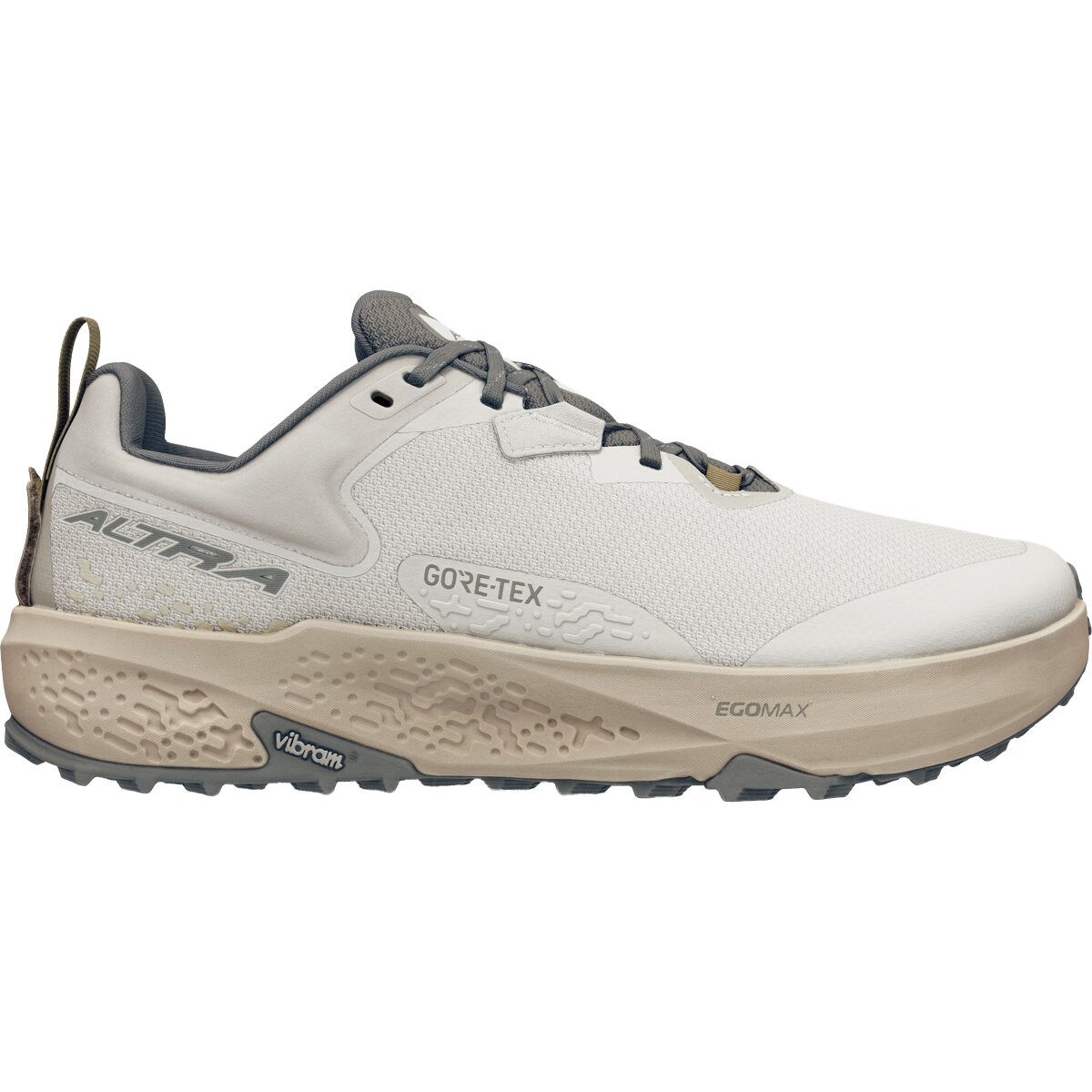
Altra Timp 6 GTX
The Timp model is an alternative in the Altra line for walkers whose comfort preferences are not met by the Lone Peak. Do not assume one Altra fits exactly like another, or that two catalog generations have identical midsoles. Test real-world fit during your build-up walks and avoid changing categories immediately before departure.
Distinct fit and underfoot feel from Lone Peak; trail-running construction; wet-weather option.
Membrane disadvantages in heat; fit and transition still demand testing; verify model-specific platform before purchase.
Best for: Cooler trail routes when a hiker wants an Altra-model alternative
Fit and preparation: Confirm manufacturer model specifications and personal adaptation.
Affiliate link. Confirm size, color, shipping and final price on the product listing.
Who Should Buy Which Shoe?
Begin with the real terrain, your foot shape, your training history and what you already walk comfortably in. Then choose the appropriate model category.
Start by trying breathable, low-cut trail and hiking shoes such as the Lone Peak 9+, Moab 3 or Ultraventure 5. Fit and confidence matter more than aggressively technical design.
Try a dedicated wide variant such as Lone Peak 9+ Wide, rather than compensating with excessive shoe length. Retest heel hold and downhill comfort.
Try a comfortable road-friendly option such as Ghost Max 4, provided the specific stages and weather do not call for stronger trail traction.
Consider more protective trail designs such as Cascadia 20, XA Pro 3D V9 or Terraventure 5, always after confirming fit.
A GTX trail shoe can help in sustained cool rain, but ventilation and drying trade-offs deserve priority. Plan socks and rain-layer integration.
A non-waterproof Moab Mid may be more sensible than changing to unfamiliar minimalist footwear immediately before departure.
Do not switch to zero drop a week before the walk. Adapt gradually during training and reassess calf and Achilles comfort.
Reduce unnecessary pack weight first; a more rigid shoe is not an automatic substitute for conditioning or sensible load planning.
How to Choose Footwear for an Entire Camino
Camino Frances: Long Road Stages and Rolling Trail
The Frances crosses varied surfaces, with cobblestones, compacted dirt, rural roads and stretches of asphalt. A shoe comfortable on hard ground is often more useful than a very stiff mountain boot. Beginners sometimes overbuy support because they imagine the whole route as a high-alpine hike, then spend most days pounding roads in hot footwear. Choose a sole that you can tolerate for six to eight hours, and consider a light recovery sandal for town.
The Pyrenean approach can be more rugged, and weather can alter traction needs. Prepare for the hardest stages on your own itinerary instead of assuming average route conditions apply every day. If using luggage transfer, do not confuse a lighter daily pack with eliminating the need for footwear testing.
Camino Portugues: Pavement, Villages and Coastal Weather
The Portugues often features a substantial amount of paved walking and frequent settlements. A comfortable, breathable trail runner or walking shoe is a strong default for many spring-through-autumn pilgrims, especially when their feet overheat in waterproof boots. Coastal sections can introduce rain, wind and damp surfaces even during an otherwise mild trip.
For a rain-prone itinerary, fast drying can be as useful as membrane waterproofing. Bring a system for drying shoes overnight, and test how the outsole handles slick stone. Your footwear should work at the end of a long day, not simply feel soft on the shop floor.
Camino Primitivo: Steeper, More Uneven Trail
The Primitivo can reward more traction and underfoot stability than the smoother routes, although it still includes roads and village sections. If you already enjoy a structured trail runner, a Cascadia or similar category can provide a familiar compromise. No product changes the need for good pacing, balanced pack loading and careful foot placement on wet stone.
Avoid treating heavy boots as a substitute for ankle strength or experience. Where conditions warrant extra traction, prioritize a shoe that you have actually tested on wet steep ground. Seasonal mud and storms may make your planned stage harder than its nominal distance suggests.
Camino del Norte: Long Distance and Mixed Surfaces
The Norte combines coastal towns, roads, hills and wetter weather exposure. The repeated mileage puts a premium on durability and the ability to manage blisters before they become trip-changing. Some pilgrims need to replace footwear during an extended itinerary; this does not mean a shoe failed if its outsole reached a reasonable wear limit after heavy training and hundreds of kilometers.
Budget for replacement if your pair is already very worn when you depart. Inspect tread, heel wear, upper flex points and the insole before the trip. Have a plan for finding footwear in a larger town instead of hoping for an identical fit in every rural village.
Waterproof or Breathable Shoes: What Really Matters
Waterproof-membrane shoes can reduce external wetting in cool rain, but they also tend to be warmer and slower to dry if water gets inside. Breathable mesh shoes may get wet sooner in a downpour but can often release moisture more readily. Neither category is automatically correct for Galicia or the Camino as a whole. Choose based on season, expected hours in rain, temperature, your perspiration and your history with blisters.
If you choose a membrane, test rain trousers and gaiters where relevant so water is not channeled over the collar. If choosing mesh, bring enough sock changes and a drying routine. Whichever you pick, wet skin and persistent friction demand early attention.
How to Size Your Camino Shoes Without Guesswork
Feet often swell across a walking day, while descents push the toes toward the front of the shoe. Try footwear toward the end of the day in the socks you plan to use. Lace securely, walk downhill or on an inclined ramp, and ensure the toes do not strike the front. A shoe that is too long can let the foot slide and blister even if the toes feel free.
Fit width independently from length. A dedicated wide model may be preferable to sizing up repeatedly. Feet are asymmetrical; fit the larger foot and account for orthotics where used. If you require medical or orthotic advice, consult a qualified clinician instead of trying to solve a specific foot condition with online product rankings.
Break-In and Training: The Real Test Is Consecutive Days
A useful training progression begins with shorter familiar walks and gradually adds duration, uneven terrain, modest pack loads and back-to-back days. You do not have to reproduce an entire Camino stage every weekend, but you should discover pressure points while you still have time to alter socks, laces or shoe model. Watch for hot spots and nail pressure, and do not hide early problems with painkillers just to finish a route.
Record how the shoe feels at the start, after two hours, after hills and on the following morning. Rotate socks and let footwear dry thoroughly. If the shoes repeatedly hurt during preparation, do not expect a pilgrimage to solve the fit problem.
Blister Prevention: Socks and Skin Care
Moisture, heat, localized pressure and repetitive rubbing interact to produce blisters. Start with moisture-managing wool or synthetic socks rather than cotton. Some people benefit from toe socks or liners; others find them bulky. The key is to try your chosen combination before departure and adjust at the first hot spot. Carry small amounts of your preferred blister supplies instead of an oversized pharmacy.
During a long day, stop to remove grit, air feet and change socks when they are damp. Keep toenails trimmed and avoid over-tightening the forefoot. Redness, worsening swelling, wound drainage or systemic illness merits timely medical assessment rather than pressing ahead.
Trekking Sandals and Evening Recovery Shoes
A second lightweight pair of shoes or sandals can let feet recover while the main footwear dries. Some experienced walkers complete stages in trekking sandals, but that is not a universal recommendation because gravel, footbed friction, exposed toes and sun exposure create different issues. Camp slides can be perfectly adequate when the purpose is simply evening relief.
If you might hike in sandals, test them on real training distances with the same pack. Avoid assuming a decorative travel sandal will provide the traction of a technical walking model. Weight every extra item against your overall pack burden.
When and How to Replace Worn Shoes
A shoe that was perfect when new may develop uneven outsole wear, compressed cushioning, torn upper fabric or a loose heel after substantial mileage. Inspect before departure and again during long walks. Consider whether the exact model and width are available in larger towns along your route. The solution may be to buy the same shoe in advance rather than experiment after blisters have already appeared.
Bring spare laces or know how to improvise safely. Drying care matters: extreme direct heat can damage adhesives and materials. Follow the manufacturer cleaning guidance rather than baking shoes beside a heater.
Budgeting for the Complete Footwear System
The final cost of successful Camino footwear includes socks, replacement insoles when appropriate, blister supplies and one lightweight recovery option. A $160 shoe that fits well can be better value than a discounted $90 shoe that repeatedly injures your feet. There is no need to buy a luxury mountain boot simply because the word pilgrimage appears in the itinerary.
Think about the whole walk: starting mileage already on the shoe, likely wet weather, availability of backups, weight of your pack and individual foot needs. Price snapshots in this guide come from approved affiliate inventory and can change without notice.
The Role of Foot Shape, Walking Mechanics and Experience
A foot-shaped forefoot may suit some walkers with broad toes, while others need a particularly secure midfoot. Zero-drop designs are familiar to some experienced hikers and uncomfortable for newcomers who transition too abruptly. Heel-to-toe drop, torsional stiffness and cushion thickness are all trade-offs rather than universally positive specifications.
Avoid promising that a particular shoe corrects pronation, prevents sprains or treats an orthopedic condition. If you have recurring injuries, gait limitations or specific orthotic prescriptions, a qualified medical or foot-care professional can help evaluate fit.
Complete Camino Footwear Preparation Checklist
Four to eight weeks before departure
Check your shoe size in the afternoon; try the exact sock system; test two candidate shoes on mixed surfaces; break in any new shape gradually; verify the shoes do not crowd toes on hills.
Two to three weeks before departure
Complete one or more long training days and at least one back-to-back walk; identify hot spots; adjust laces or socks; determine whether your insoles work with the shoe.
One week before departure
Inspect outsoles, uppers and laces; pack blister care, extra socks and lightweight evening footwear; make sure you have enough shoe life left for planned distance.
Every walking day
Start with dry socks where practical; stop at the first rubbing; shake out grit; adjust laces during swelling; dry footwear overnight and rotate socks as needed.
How We Evaluated These Camino Shoes
We selected eleven exact-match in-stock footwear entries from Global Summit Guide’s approved Backcountry affiliate catalog and compared their intended use, design category, wet-weather approach, fit options and November 2026 feed prices. We consulted public Camino footwear advice and pilgrim-route characteristics, but this is not an original head-to-head laboratory test or a claim that the GSG editorial team completed a Camino in every listed model.
We did not invent independent performance ratings, sample sizes, durability test results, gram weights or first-person shoe experiences. Consumer ratings are omitted because a reliable comparable set was not included in the provided affiliate inventory. The recommendations are use-case awards; changing affiliate commissions does not change them. Always confirm the actual selected size, version, material and availability before buying.
To refine the choices yourself, use a store incline ramp and a series of real training walks, then evaluate toe room, heel movement, moisture, outsole wear and next-day comfort. Refresh feed price snapshots every quarter or when models change, and update editorial advice when meaningful route or product information changes. Last editorial update: November 5, 2026. For image attribution and citations, see GSG Media.
Camino Shoe FAQs
What are the best shoes for the Camino de Santiago?
For many walkers on the Frances or Portugues in mild weather, a well-fitting breathable trail runner or hiking shoe is a sensible starting point. The Altra Lone Peak 9+, Merrell Moab 3 and Topo Ultraventure 5 represent distinct fit and feel choices. Fit beats rankings.
Should I wear hiking boots or trail runners?
Trail runners generally suit easier, warm-weather stages with moderate packs. Boots can be reasonable when you are accustomed to them, prefer their structure or anticipate colder and rougher conditions. Neither category is universally best.
Are waterproof shoes a good idea on the Camino?
It depends on temperature, rain exposure and personal moisture management. A membrane may help in cool sustained rain, while breathable mesh may be more comfortable and easier to dry in heat. Test your complete system.
How much room should Camino shoes have?
Enough that toes do not strike the front on descents, with a secure heel and no excessive side-to-side sliding. Try shoes with your travel socks late in the day after feet have expanded.
Should I buy shoes one size larger?
Not automatically. Some walkers need more toe volume or width, not greater length. Oversizing can cause heel slip and rubbing. Fit the actual foot shape and downhill movement.
Do I need to break in trail running shoes?
Even flexible shoes should be tested over long and back-to-back walks. Some designs require adaptation of walking mechanics and calf loading, especially if changing to zero drop.
Can I walk the Camino in ordinary running shoes?
On paved and well-graded sections, comfortable running shoes can work, but assess wet traction, rough trails, pack weight and seasonal conditions before using them as your only pair.
What socks should I take?
Several pairs of moisture-managing wool or synthetic socks are common choices. Change damp socks and test any toe-liner or double-sock system before departure.
Are the same shoes best for the Primitivo and Frances?
Not always. The Primitivo can demand more technical traction and protection, while the Frances often emphasizes long miles on firm mixed surfaces. Your own planned stages matter.
How often will I need replacement shoes?
Wear life depends on starting condition, model, fit, terrain, footstrike and total distance. Inspect cushioning and tread regularly rather than relying on a single mileage threshold.
Are product prices guaranteed?
No. Prices are snapshots from the approved November 2026 Backcountry affiliate feed. Sizes, colors, discounts, stock and final checkout prices can change.
Plan the Rest of Your Camino Equipment
The best shoes make a difference, but your backpack, clothing, hiking pace and route choice also shape the experience. Use these related Global Summit Guide resources for the next steps.
Was this helpful?
Global Summit Guide is an independent mountaineering resource founded in 2026. The team combines first-hand trekking and climbing experience with in-depth research and professional health and nutrition review to help climbers choose objectives, prepare properly, and stay safe.
Health, altitude, and nutrition content is reviewed by Taylor Ludlow (Registered Nurse) and Brigg Hoopes (Nutritionist).
What We Don't Know Yet
Mountain information changes quickly. This box explains the limits of what this page can responsibly promise.
- Total trip cost can change with flights, lodging, guide pricing, permits, gear rentals, transportation, and exchange rates.
- Comparisons simplify complex decisions; the better mountain depends on current conditions, skills, timing, budget, and risk tolerance.
- Visa, passport, vaccination, border, insurance, and local transportation rules may change before your trip.
Verify current conditions with official land managers, guide services, local forecasts, and current route reports before booking or climbing.
Mountaineering, rock and ice climbing, glacier travel, and high-altitude activity are inherently dangerous and can result in serious injury or death. The information on Global Summit Guide is provided for general informational and educational purposes only and is not a substitute for professional instruction, qualified guiding, proper equipment, or your own judgment and experience.
Route conditions, weather, snowpack, permits, regulations, and hazards change constantly and may differ from what is described here. Details may be incomplete, out of date, or contain errors. Always verify current information with local authorities, certified guides, and official sources before making any decision in the mountains.
Nothing on this site is medical, legal, or financial advice. Our fitness, acclimatization, altitude, and nutrition content is general in nature; consult a qualified physician before beginning any strenuous exercise program or exposing yourself to high altitude.
You are solely responsible for your own safety and decisions. To the fullest extent permitted by law, Global Summit Guide and its team accept no liability for any loss, injury, damage, or expense arising from use of, or reliance on, this information. By using this site you acknowledge these risks and accept these terms.
Some links on this site may be affiliate links. If you buy through them we may earn a small commission at no extra cost to you; this never affects our recommendations.
Global Summit Guide recommendation path
Next Best Mountain to Research
Use these recommendations to continue the right planning path instead of stopping on one page.
Use current permit, weather, route, and operator information before booking or climbing.