Last updated November 6, 2026
Best Backpacks for the Camino de Santiago: 11 Packs for Pilgrims (2026)
A Camino pack should feel manageable after many walking days, not merely look light in a product photograph. Compare 28L to 40L backpacks for the Camino Frances, Portugues, Norte and Primitivo, then choose a harness and realistic packing volume that suit your trip.
Last updated November 5, 2026. Prices are approved affiliate feed snapshots. Fit and real-world load matter more than ratings.

The Best Camino Backpacks for Different Pilgrims
These awards are editorial use-case recommendations, not hands-on endurance-test results. A correctly fitted pack is more useful than a ranking that ignores torso shape, shoulder comfort, weather and actual carried weight.
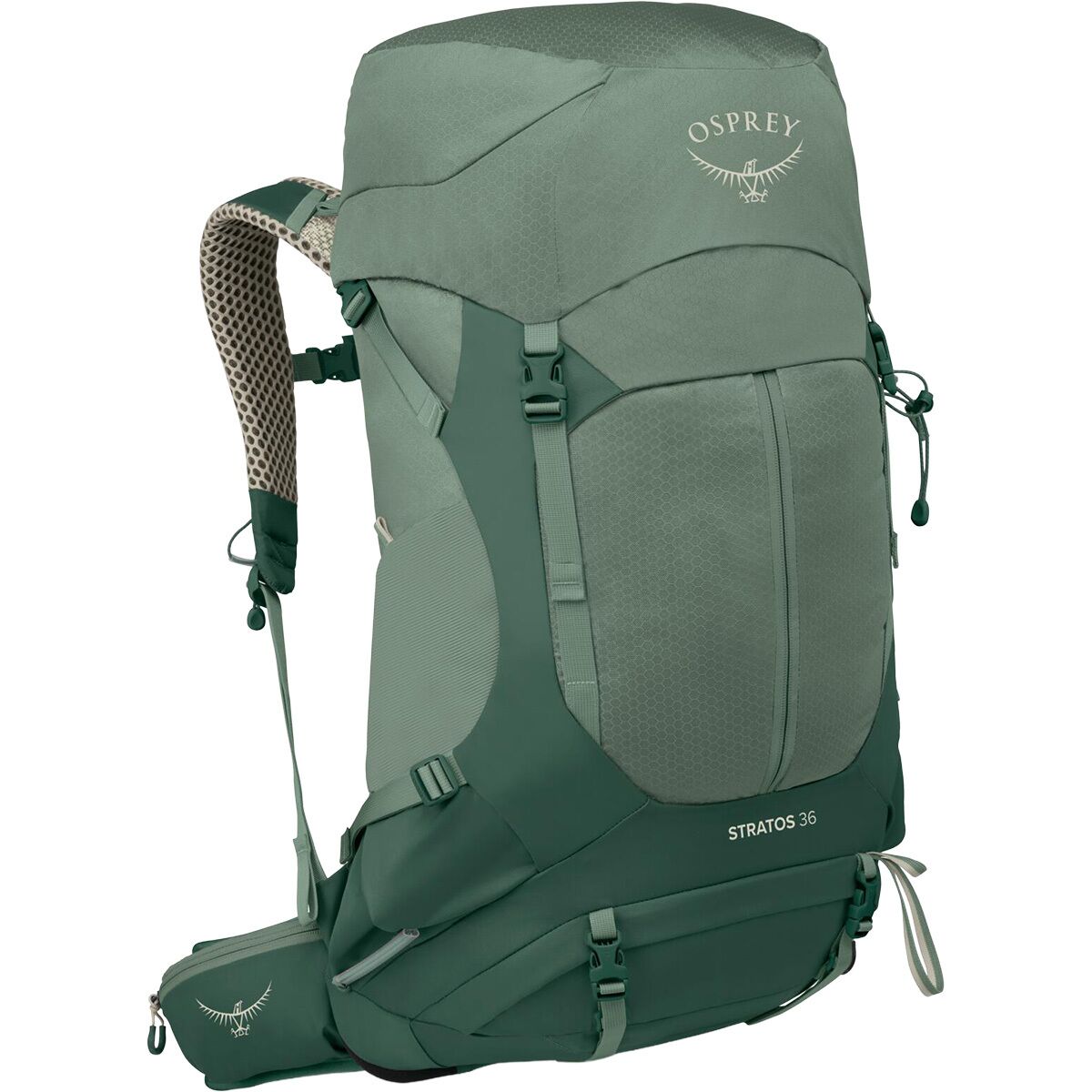 Best Overall for Full-Pack Camino
Osprey Stratos 36L
36L / $239.95
Full-packing Camino Frances and mixed-route walking
Check price at Backcountry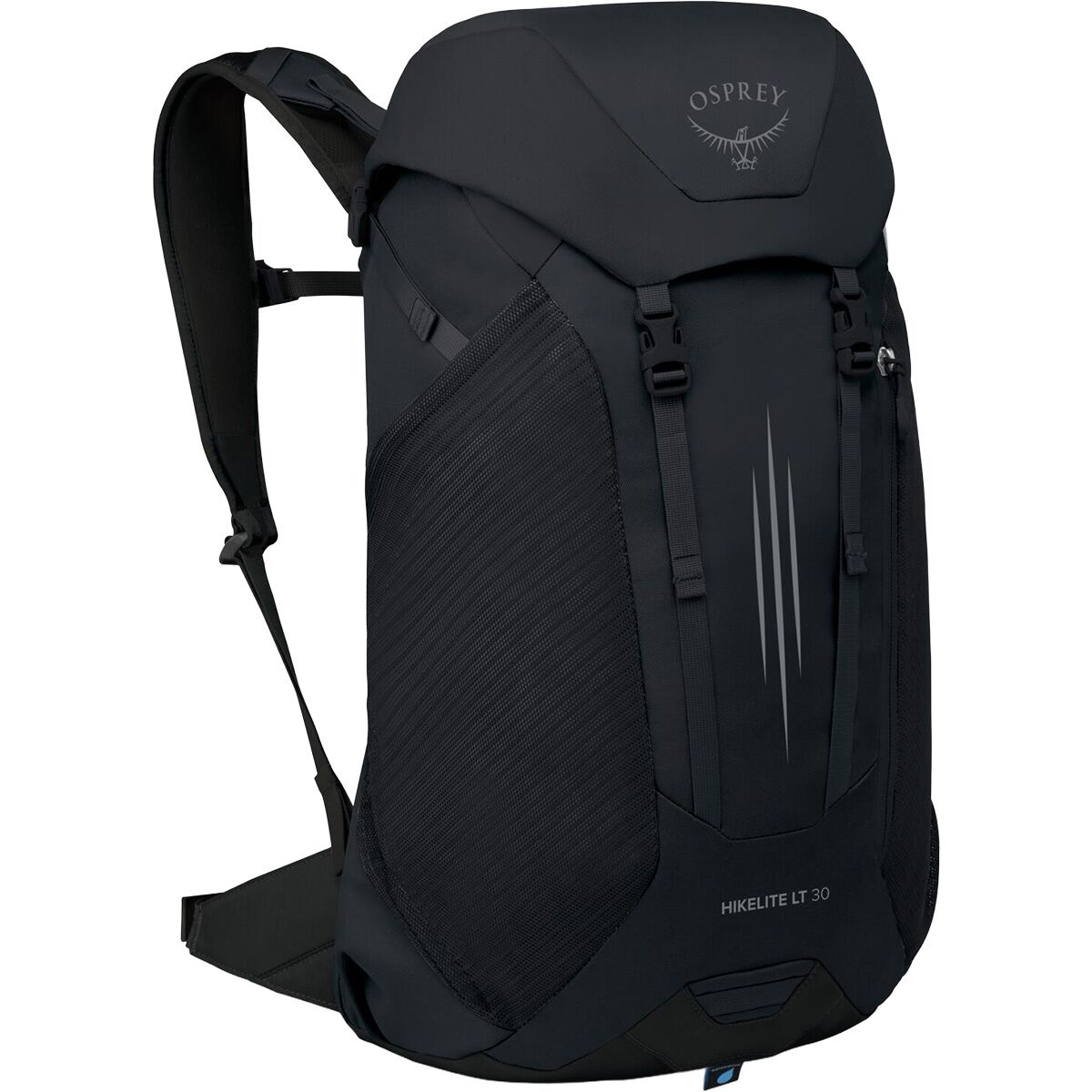 Best Value Lightweight
Osprey Hikelite LT 30L
30L / $119.95
Pilgrims with a disciplined packing list and hostel lodging
Check price at Backcountry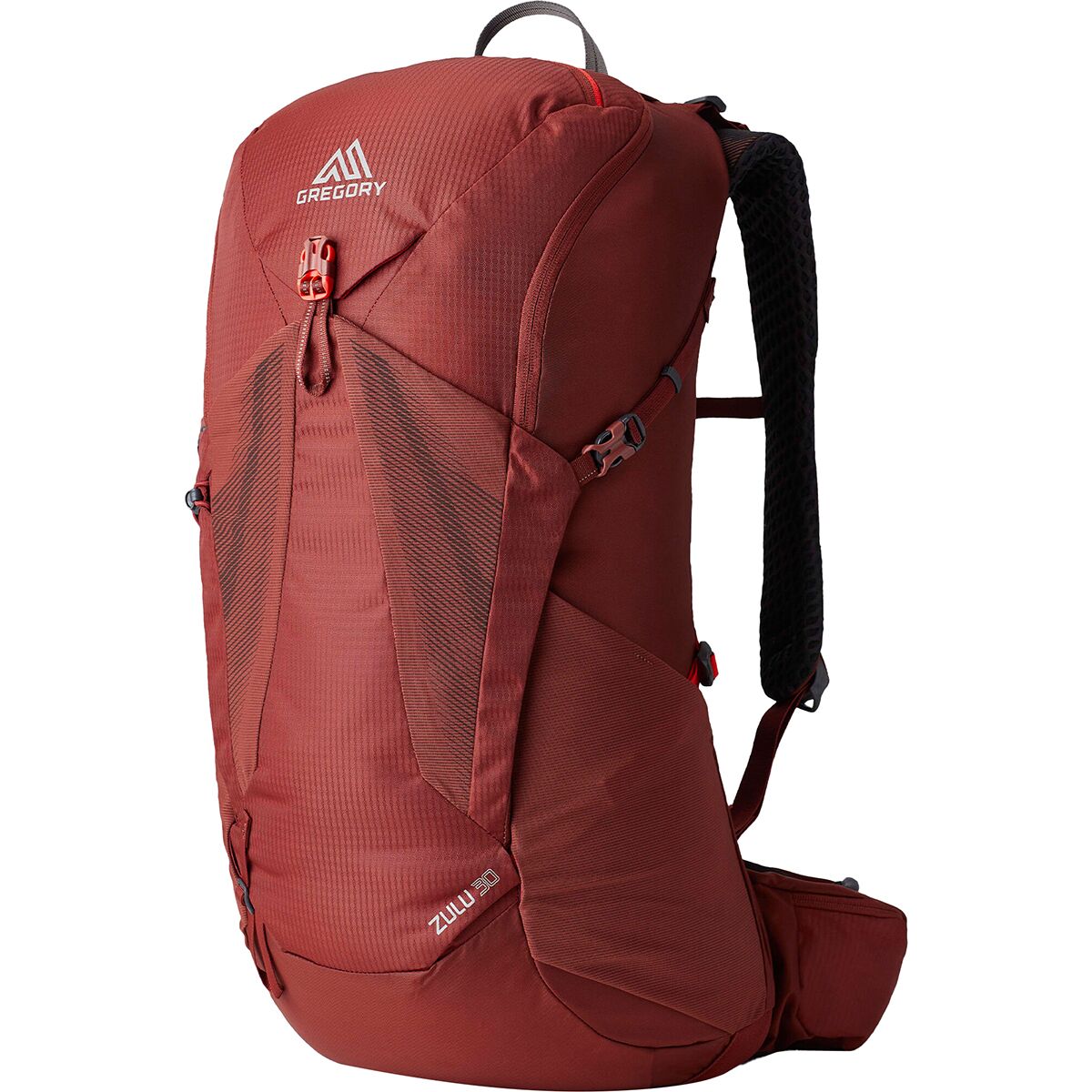 Best Balanced 30L Hiker
Gregory Zulu 30L
30L / $199.95
Walkers who like organized, supportive packs without exceeding 30L
Check price at Backcountry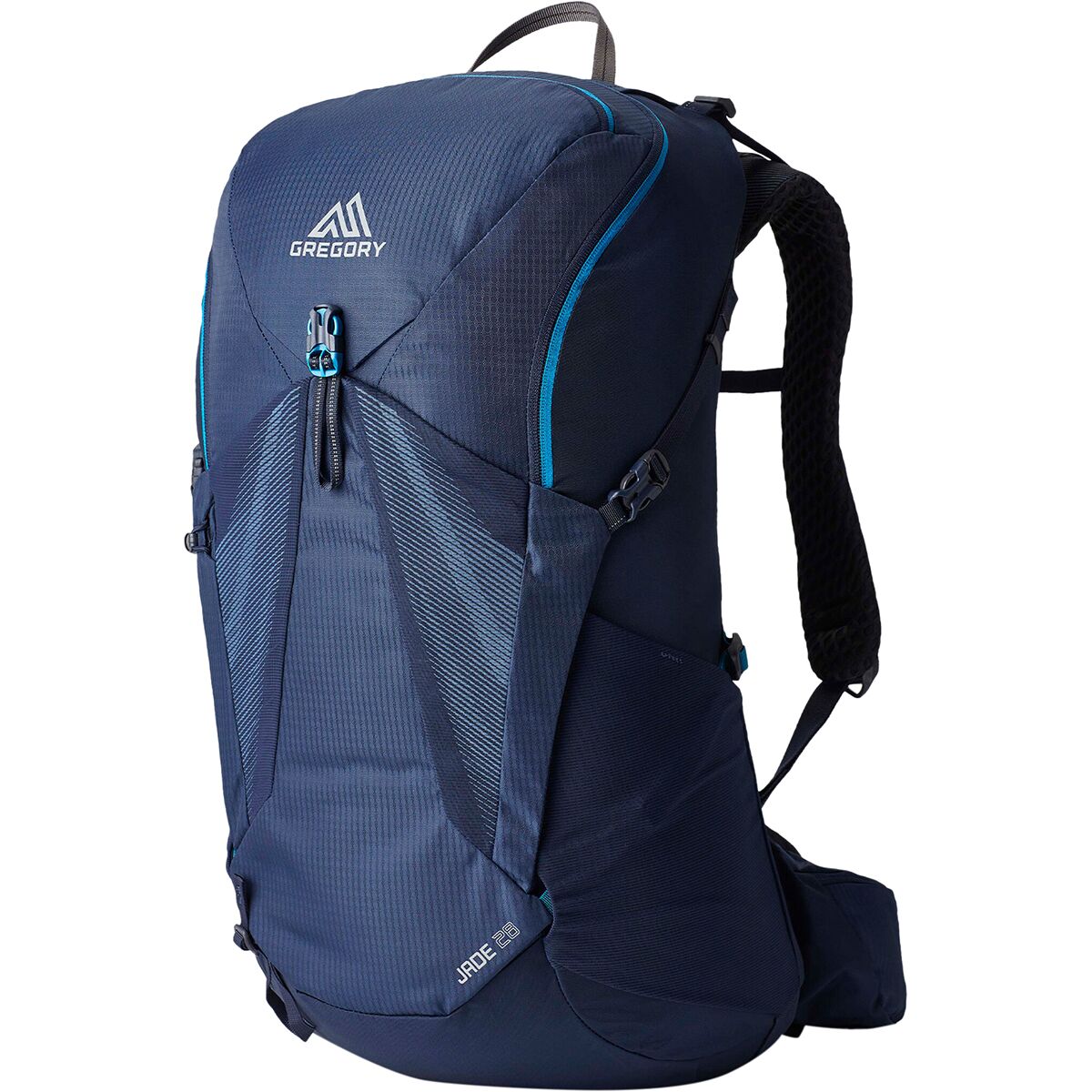 Best Women-Specific 28L Option
Gregory Jade 28L
28L / $199.95
Pilgrims wanting a shorter-volume, fit-oriented alternative
Check price at BackcountrySortable Camino Backpack Comparison
Prices refer to November 2026 feed snapshots. Volume is taken from each product name. Exact weights, torso ranges and customer ratings vary by product generation or fit size and are not independently verified here; check the individual manufacturer specification before ordering. No star ratings have been invented.
| Weight / rating | Shop | ||||
|---|---|---|---|---|---|
| 01. Osprey Stratos 36L Best Overall for Full-Pack Camino | $239.95 | 36L | Full-packing Camino Frances and mixed-route walking | Verify selected model / no comparable rating | Check price |
| 02. Osprey Hikelite LT 30L Best Value Lightweight | $119.95 | 30L | Pilgrims with a disciplined packing list and hostel lodging | Verify selected model / no comparable rating | Check price |
| 03. Gregory Zulu 30L Best Balanced 30L Hiker | $199.95 | 30L | Walkers who like organized, supportive packs without exceeding 30L | Verify selected model / no comparable rating | Check price |
| 04. Deuter Trail 30L Best Traditional Daypack | $155.00 | 30L | Mixed dirt, stone, village streets and modest daily loads | Verify selected model / no comparable rating | Check price |
| 05. Gregory Jade 28L Best Women-Specific 28L Option | $199.95 | 28L | Pilgrims wanting a shorter-volume, fit-oriented alternative | Verify selected model / no comparable rating | Check price |
| 06. Mammut Lithium 30L Best Simple 30L Alternative | $159.95 | 30L | Walkers seeking a straightforward alpine-brand trail pack | Verify selected model / no comparable rating | Check price |
| 07. Osprey Sirrus 34L Best Ventilated Compact Pack | $224.95 | 34L | Warm Camino days and walkers seeking a different suspension fit | Verify selected model / no comparable rating | Check price |
| 08. Osprey Kestrel 38L Best for Extra Layers and Rough Routes | $219.95 | 38L | Cool-season Camino, Primitivo or more self-supported stages | Verify selected model / no comparable rating | Check price |
| 09. Osprey Fairview 40L Best for Camino Plus Travel | $199.95 | 40L | Pilgrims combining the route with extended city travel | Verify selected model / no comparable rating | Check price |
| 10. Patagonia Refugio 30L Best Urban-to-Trail Minimalist | $135.00 | 30L | Pilgrims whose routes are gentle and loads very light | Verify selected model / no comparable rating | Check price |
| 11. Deuter Trail SL 28L Best Compact Women-Fit Trail Alternative | $155.00 | 28L | Minimalist walkers seeking a compact women-fit alternative | Verify selected model / no comparable rating | Check price |
Real Backpacks on the Camino
The Camino crosses paved towns, rougher upland tracks, farm roads and damp coastal landscapes. These actual route photographs are included so readers can visualize a pilgrim carrying a pack all day, rather than seeing only isolated retail product pictures.

11 Camino Backpack Reviews With Pros and Cons
All listed products have exact-match approved Backcountry catalog entries. These reviews reflect design trade-offs and trip suitability, not fabricated field testing or unverified consumer ratings.
Osprey Stratos 36L
A 36L day-to-day pilgrim bag is a practical starting point when the traveler carries everything between albergues. The most important benefit is not merely the advertised volume; it is the ability to keep necessities organized while putting load on the hips. The Stratos family emphasizes suspended ventilation, but that spacing also shapes where the weight sits. A short store fitting can reveal pressure points that only grow on repeated stages. Choose the exact length and try two or three hours with the intended total load.
A conventional hiking pack with room for spare layers, toiletries and a light sleeping setup. Ventilated carry and accessible organization favor long successive walking days.
More pack than minimalist pilgrims need. Frame fit, torso length and hip belt positioning must be verified.
Who should buy it: Full-packing Camino Frances and mixed-route walking
Fit and preparation: Best when you want a dedicated hiking pack and will carry your own kit.
Sponsored affiliate link. Confirm the model, harness fit, stock and final price at checkout.
Osprey Hikelite LT 30L
Thirty liters can cover many Camino itineraries provided clothing and extras stay compact. That is a packing decision more than a brand decision. This model is a reasonable value candidate for a person who has already rehearsed a realistic load and does not expect to attach large items outside. The first test is whether all critical equipment fits with food and water; the second is whether it remains comfortable after a long descent. Repack and repeat rather than treating a short trial as proof.
Affordable option in the target carrying range; cleaner layout for walkers who prefer simplicity.
Limited volume for bulky cold-weather gear or elaborate photography equipment; the exact suspension must fit.
Who should buy it: Pilgrims with a disciplined packing list and hostel lodging
Fit and preparation: Ideal for three-season, albergue-to-albergue travel with light gear.
Sponsored affiliate link. Confirm the model, harness fit, stock and final price at checkout.
Gregory Zulu 30L
The Zulu is a credible alternative to shopping by brand loyalty alone. A backpack is a contact system involving shoulder straps, spine contour, hip belt and load distribution. In long-day pilgrimage, an average pack that fits you can outperform a lighter pack that pulls at the shoulders. Try it at an outdoor retailer with six to nine kilograms of actual-equivalent items, walk stairs, and compare pressure over time. The practical difference between packs often appears in adjustment range, not the catalog headline.
Hiking-specific construction and a familiar capacity for everyday Camino loads.
Fit differs from comparable Osprey and Deuter packs; check the hip-belt geometry and access arrangement.
Who should buy it: Walkers who like organized, supportive packs without exceeding 30L
Fit and preparation: Best for the walker who values a well-fitted hiking design.
Sponsored affiliate link. Confirm the model, harness fit, stock and final price at checkout.
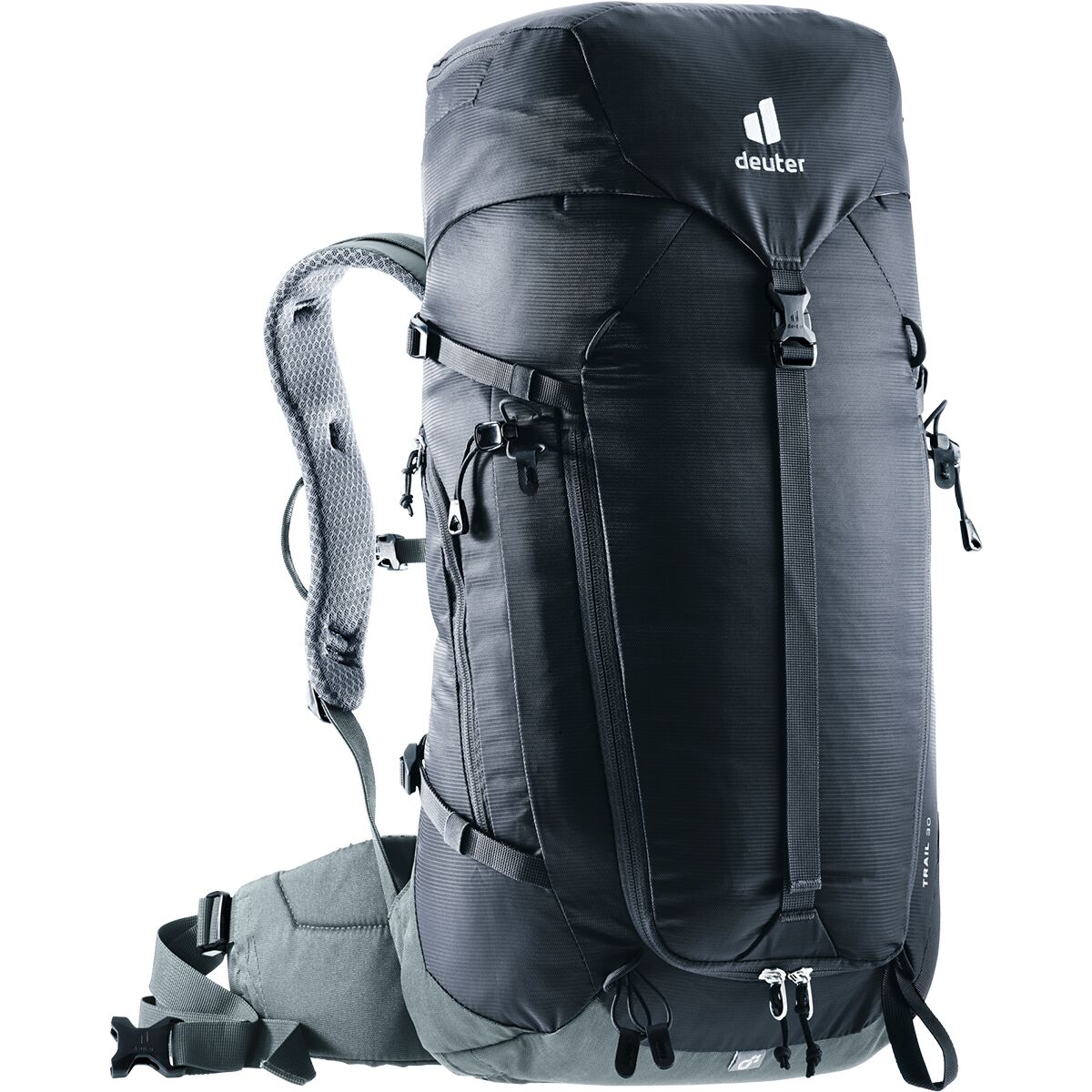
Deuter Trail 30L
This pack is worth considering if a standard hiking daypack seems too bulky but an ultra-minimal pack feels unsupportive. Many pilgrims reach their lodging each evening, making a compact, tidy setup more helpful than huge expedition storage. The most overlooked fit point is how the pack behaves on uphill steps with the head slightly forward: check that the top of the bag does not interfere and that the belt sits where it should. Water should be reachable without dropping the whole pack.
Streamlined trail design with a useful capacity for many Camino packing lists.
Some technical organization may be irrelevant to pilgrimage; the comfort of any carry system is personal.
Who should buy it: Mixed dirt, stone, village streets and modest daily loads
Fit and preparation: Choose if you favor a streamlined, relatively compact hiking platform.
Sponsored affiliate link. Confirm the model, harness fit, stock and final price at checkout.
Gregory Jade 28L
A women-designated pack is a fit option, not a guarantee of improved comfort. Shorter back-panel contours or distinct shoulder strap angles may help some people, but torso dimensions and hip-belt contact matter more than labels. Twenty-eight liters is reasonable for a pilgrim who is comfortable rewearing and washing layers often. Verify rain layers and a packed sleeping liner fit without over-compression. Test all planned water and food weight before departure.
Capacity encourages thoughtful packing; designated fit category provides another harness option.
Not all women fit a women-specific harness and not all men fit a men-labeled pack; test real geometry.
Who should buy it: Pilgrims wanting a shorter-volume, fit-oriented alternative
Fit and preparation: Best for a well-tested compact packing strategy.
Sponsored affiliate link. Confirm the model, harness fit, stock and final price at checkout.
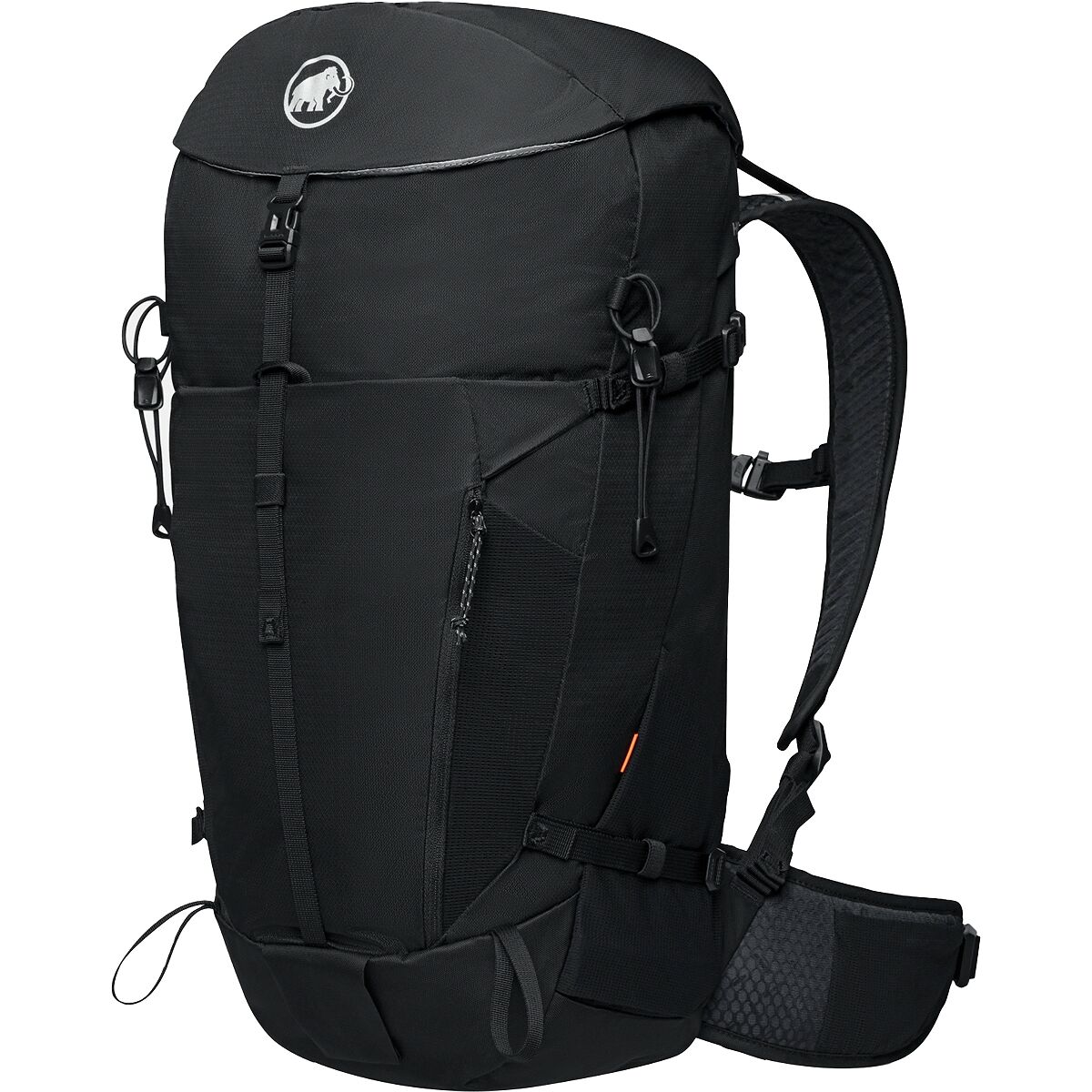
Mammut Lithium 30L
This Mammut model belongs in a Camino comparison because the volume is sensible for hostel-based multiweek travel. It is not here as a mountaineering recommendation. Check that the waist belt actually transfers load rather than merely stabilizing the pack, that pockets remain usable when full, and that you can retrieve a rain shell quickly. An overly full 30L bag can make packing frustrating every morning, so allow enough real usable space for lunch and water.
Practical day-hiking volume; lighter-style organization can reduce excess storage.
A minimal approach may provide less room for awkwardly shaped extras; verify hydration and weather protection.
Who should buy it: Walkers seeking a straightforward alpine-brand trail pack
Fit and preparation: Best for disciplined packers who prefer a clean carrying system.
Sponsored affiliate link. Confirm the model, harness fit, stock and final price at checkout.
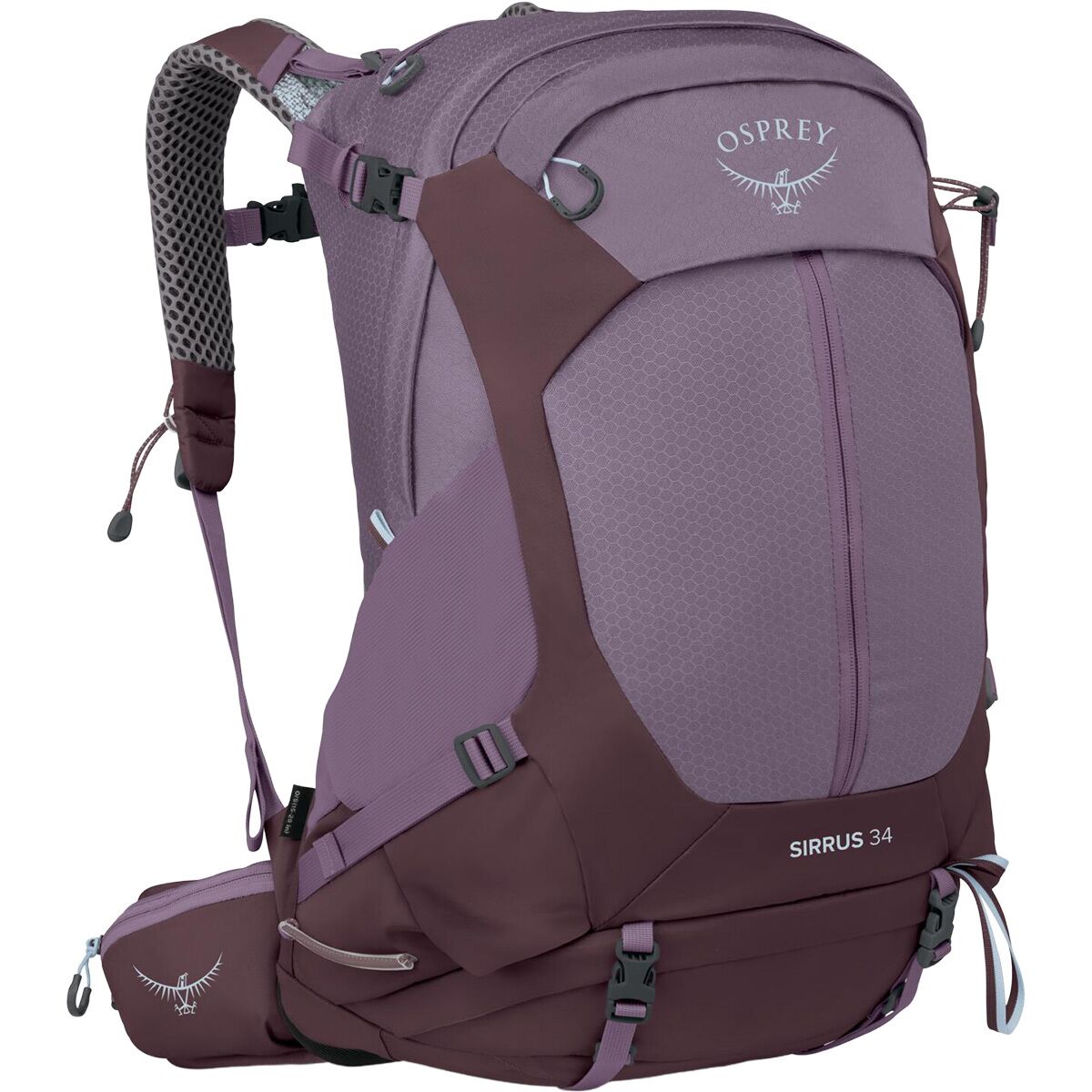
Osprey Sirrus 34L
The Sirrus is a useful comparison with the Stratos because a different fitting pattern may matter more than two liters of capacity. Walk uphill and downhill with the intended kit; watch for slipping waist straps, shoulder friction and pack bounce. A 34L bag can be an excellent middle ground for pilgrims who carry a modest sleep setup, but it is still possible to fill it with unnecessary objects. Lay everything out before buying a bigger pack.
More breathing room in packing volume than 28L-30L choices; hiking-focused suspension.
Ventilation is not cooling magic; a suspended mesh panel can alter balance and torso sensation.
Who should buy it: Warm Camino days and walkers seeking a different suspension fit
Fit and preparation: Best if it fits better than more minimal choices.
Sponsored affiliate link. Confirm the model, harness fit, stock and final price at checkout.
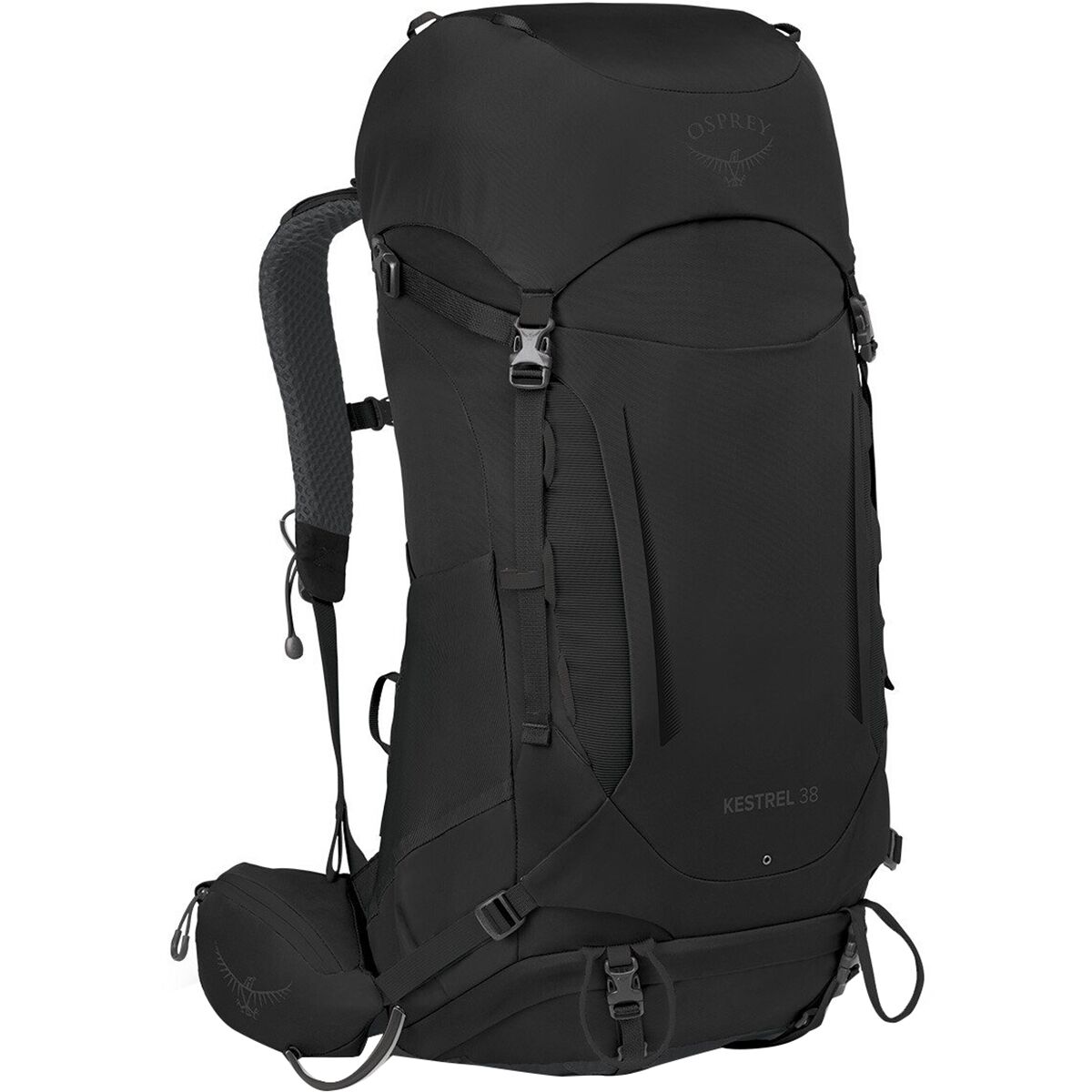
Osprey Kestrel 38L
The value of 38 liters depends on what you truly need to carry. If your Camino includes shoulder-season weather, extra insulating layers or photography gear, the extra room may be justified. If you are staying in albergues every night in summer, it may only encourage unnecessary weight. This model deserves consideration for those who will use the space, but choose it for a realistic packing volume rather than an imagined emergency that could be solved more simply.
Capacity for a larger clothing system and accessible trail organization.
Too much bag for supported warm-weather trips; larger size tempts overpacking.
Who should buy it: Cool-season Camino, Primitivo or more self-supported stages
Fit and preparation: Best when the itinerary or season makes extra volume necessary.
Sponsored affiliate link. Confirm the model, harness fit, stock and final price at checkout.
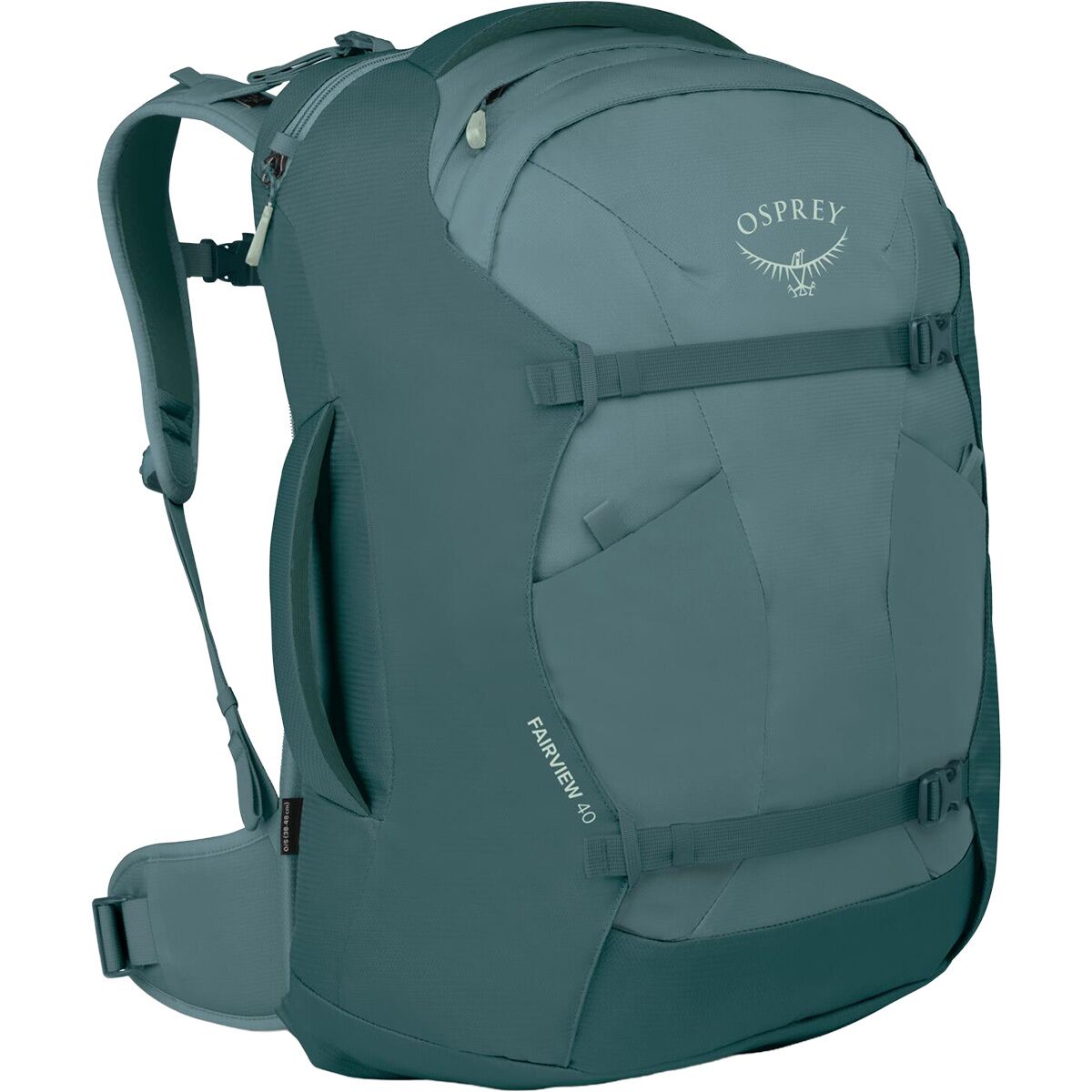
Osprey Fairview 40L
The Camino is both a walk and a journey through airports, trains and towns. A travel-oriented pack can simplify transitions, but that advantage is only worthwhile if it remains comfortable across twenty-kilometer days. This is not our default choice for self-carried pilgrimage. It is included for walkers who prioritize cross-Europe travel and are willing to accept a different trail-carry trade-off. Pack it to your realistic maximum and test more than an hour.
Travel organization suits transit days, hostels and packing for a second destination.
Travel-pack carrying systems may feel different from hiking suspensions over long stages; test with full weight.
Who should buy it: Pilgrims combining the route with extended city travel
Fit and preparation: Best for a pilgrimage combined with substantial non-walking travel.
Sponsored affiliate link. Confirm the model, harness fit, stock and final price at checkout.
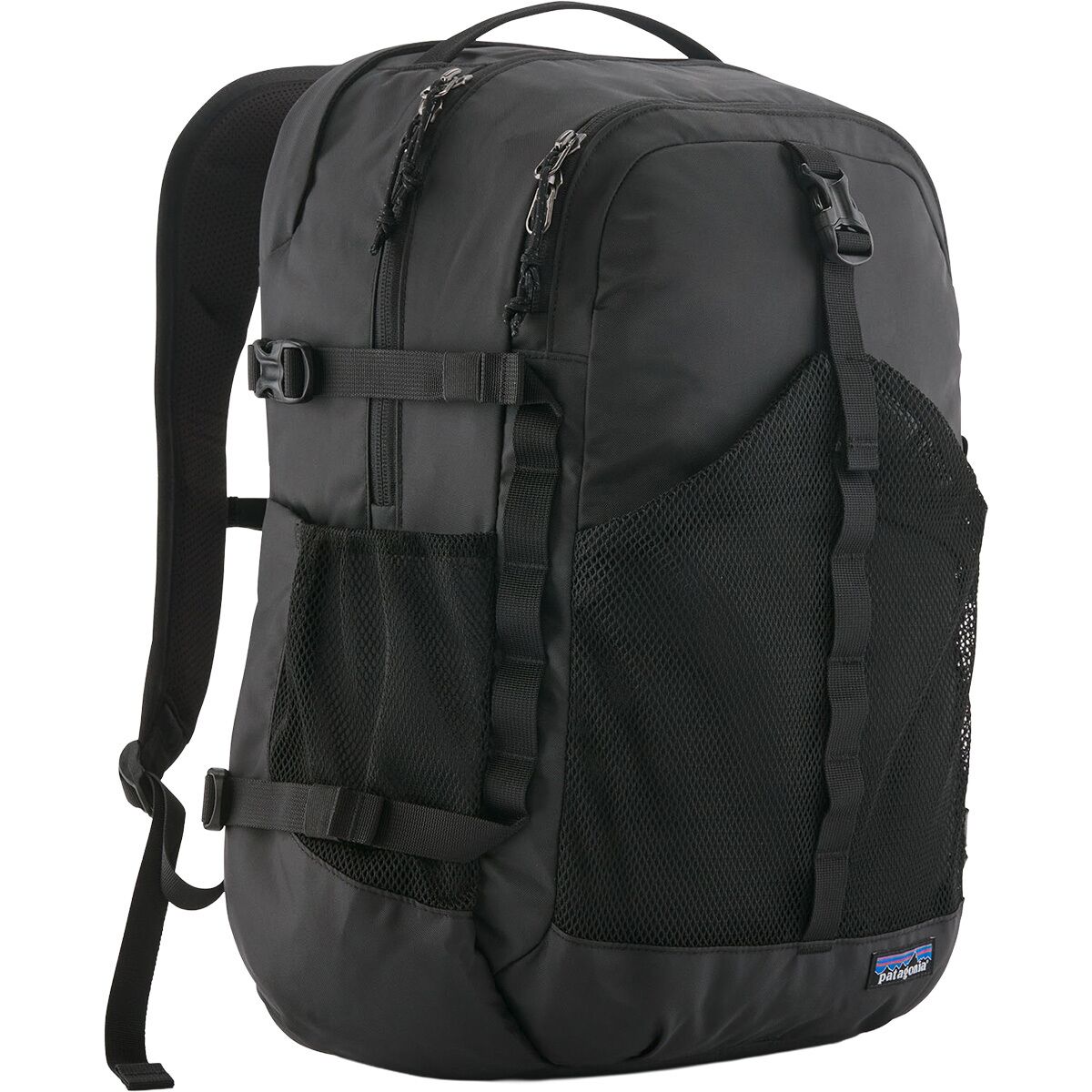
Patagonia Refugio 30L
Not everyone needs a heavy technical pack. An experienced walker with a notably light load may be comfortable using a versatile travel backpack. However, a few hundred grams saved are not worth ongoing shoulder or neck discomfort. The Refugio is a viable comparison for travelers who want one bag for flights and short daily walks, provided the packed weight is low. Test shoulder comfort after repeat walks and avoid confusing a laptop-friendly layout with a fit designed for trekking.
Useful crossover pack with practical storage for travel and town.
Less trail-specific load-transfer emphasis than dedicated framed hiking packs; test carefully.
Who should buy it: Pilgrims whose routes are gentle and loads very light
Fit and preparation: Best for very light packing and extensive urban use.
Sponsored affiliate link. Confirm the model, harness fit, stock and final price at checkout.
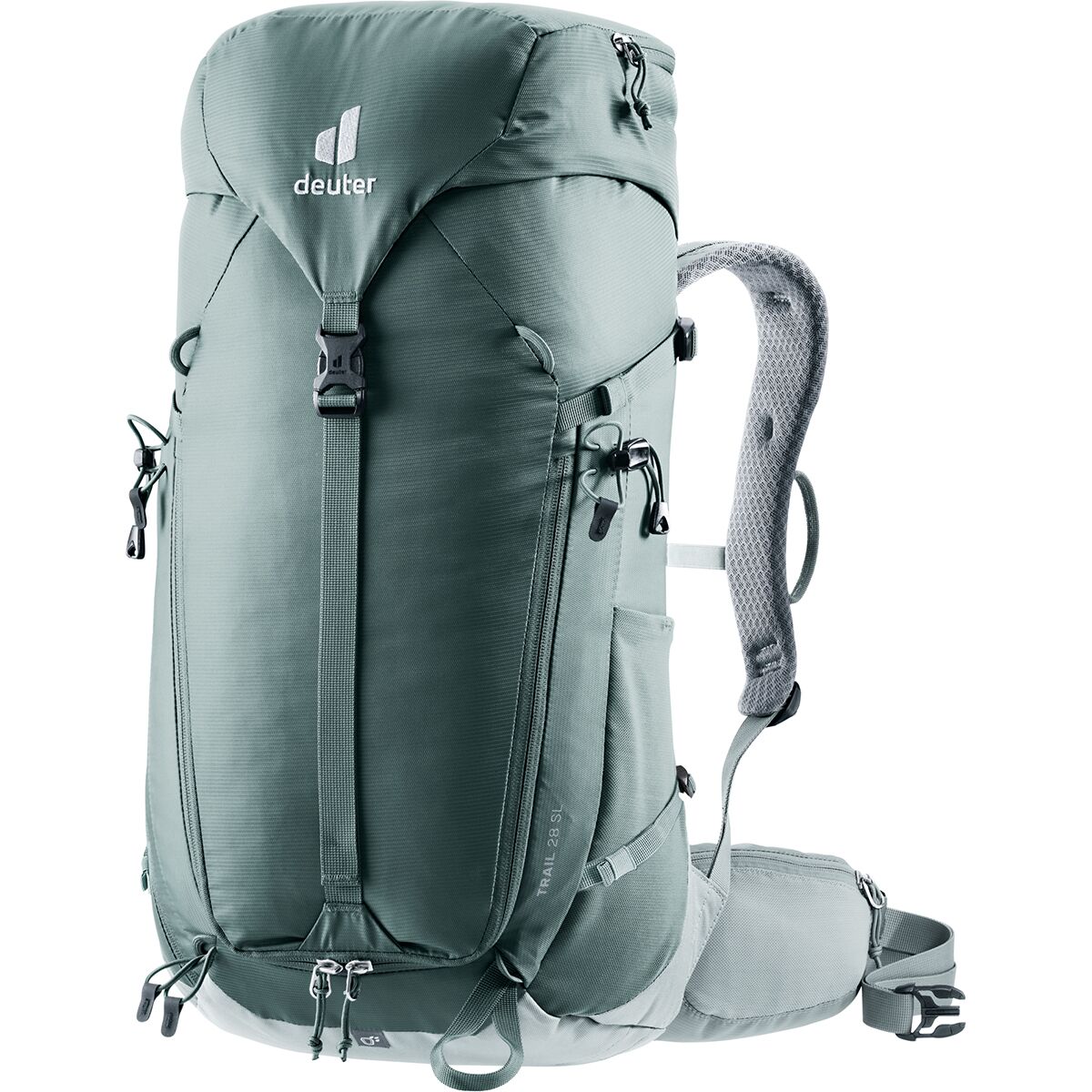
Deuter Trail SL 28L
The SL version allows another meaningful fit option in the smaller-capacity group. It is most useful to compare this directly with the Gregory Jade and a conventional 30L pack, all weighted identically. A small pack can be a smart choice if it discourages unnecessary equipment, but it is a poor choice when it forces essential rain gear into inaccessible exterior straps. The goal is a comfortable complete packing system, not the smallest number printed on a label.
Compact hiking-oriented capacity; alternative harness shape to compare in person.
Size alone cannot establish comfort; a 28L pack may be tight with cool-weather layers.
Who should buy it: Minimalist walkers seeking a compact women-fit alternative
Fit and preparation: Best if the SL harness geometry fits and the packing list is already refined.
Sponsored affiliate link. Confirm the model, harness fit, stock and final price at checkout.
Camino Pilgrims, Packing and Daily Walking
Backpacks on the Camino become part of the landscape: narrow streets, old bridges, exposed farm roads, wooded tracks and albergue stairways. A pack that is simple to close, secure on the hips and easy to adjust can reduce daily friction. Choose one that functions well when you are tired, wet or trying to find a snack without emptying every pocket.

How to Choose, Fit and Pack Your Camino Backpack
How Much Backpack Capacity Do You Need?
For many people staying in hostels, a compact 28L to 36L backpack can be sufficient, but there is no correct universal volume. Your clothing system, medical items, water needs, sleeping liner, guidebook, camera and off-route travel plans determine the actual requirement. Build your packing list first and use the advertised liter capacity only as a starting comparison.
Carry all essentials into the store and see whether you still have space for lunch and water. Do not compress rain protection into unreachable pockets or lash essential equipment outside merely to win a smaller-capacity contest.
28L and 30L Packs
Smaller packs tend to encourage efficient selection: two or three clothing combinations, a lightweight rain shell, compact toiletries, a sleep liner if required, and a simple electronics kit. They can be a good fit for summer walkers who plan to wash clothing along the way.
The drawback is limited adaptability. A cold shoulder season, extra food on quieter stages or personal medication can make a compact pack crowded. A pack bursting at the seams is not a light kit just because the listed capacity is low.
34L to 38L Packs
This is a practical middle range for pilgrims who want room for extra layers while carrying their own possessions. Many framed and ventilated trail packs live in this size class. The trade-off is that unused space can invite more objects than you really need.
Use a simple gear audit: if an item will not be used weekly, is not important for safety, and is readily available en route, consider leaving it behind. Even with greater volume, the load should be distributed close to the back without awkward swinging.
40L and Travel-Style Packs
Forty liters may be reasonable for extended travel, winter conditions or someone whose other commitments require more clothing and equipment. It is not the default recommendation for every Camino Frances hiker. Travel packs often excel at opening like luggage or keeping electronics organized.
Those conveniences do not guarantee a comfortable suspension during repeated long walking days. If you choose a travel-oriented 40L model, test the shoulder and hip straps under a genuine walking load rather than relying on airline convenience.
How Heavy Should a Camino Pack Be?
Any fixed percentage of body weight is an imperfect rule. Comfort depends on conditioning, pace, walking surface, injury history, heat, how the load sits, and the bag itself. A lighter total load is generally easier to manage, but do not remove necessary hydration, medication or weather protection to meet a number.
Weigh everything, including water, food and the pack. Walk several back-to-back training days with that real weight. Notice whether posture changes or feet begin to rub as fatigue accumulates. If pain persists, reduce nonessential items or revisit fit.
Torso Length, Hip Belt and Shoulder Straps
Torso length is not the same as overall height. A pack should place its load-bearing hip belt correctly over the pelvis and allow shoulder straps to lie comfortably without severe pressure. Different manufacturers use distinct back-panel shapes, and women-specific labeling does not replace an individual fit check.
Load the pack in a shop and adjust it carefully. If the hip belt slides or the shoulder straps carry most of the weight regardless of adjustments, compare another model or fit range. Reassess after long walks, not only at the beginning.
Pack Ventilation and Warm Camino Stages
Ventilated back panels can improve airflow between the pack and the wearer, but they do not eliminate sweat. Suspended-mesh designs may position the load differently, and the most comfortable geometry is personal. In hot weather, plan a sensible start time, drink appropriately and prioritize breathable clothing.
Do not choose a pack exclusively because its marketing promises maximum ventilation. The route also passes rainy, windy and chilly stages. A comfortable fit and resilient packing system should lead the decision.
Raincovers, Dry Bags and Wet Weather
A pack raincover sheds much rain but can leave vulnerabilities around straps, seams or openings. Waterproof pack liners and independent dry bags offer a second barrier for sleep gear, electronics and clean clothes. The Camino Norte and Galicia can experience substantial rain in some seasons.
Treat rain protection as a system, and test it on an ordinary rainy walk. Check that you can reach your jacket quickly without exposing everything else and that damp items can dry at the end of a day.
Accessibility, Pockets and Albergues
An accessible side pocket for water, a quick route-map or phone pocket, and a simple place for snacks become more valuable after repeated days. At an albergue, quiet zippers and a tidy approach to packing reduce friction with other pilgrims. Keep credentials, cash, passport and medication in secure, easily controlled storage.
Avoid putting valuables where they can be pulled out while the pack is unattended. Practice a five-minute morning repack and make sure your equipment does not spill into shared sleeping areas.
Camino Frances and Camino Portugues
Both routes commonly mix firm pathways, village roads, farm tracks and manageable daily walking. Most hostel-based pilgrims can favor a lighter mid-size hiking pack over an expedition-oriented model. The actual season and lodging choices determine how much spare clothing is appropriate.
Road miles can be as wearing as rocky trail miles, especially when heat and repeated walking accumulate. Prioritize fit and regular access to water rather than large technical mountaineering features.
Camino Primitivo and Camino Norte
Some stages include rougher, wetter, hillier or more remote stretches. A secure harness, durable exterior and effective waterproofing strategy matter more when walking on uneven trails. These routes do not automatically require a heavier or larger pack; packing discipline remains valuable.
Plan around specific stages, local forecast and water opportunities rather than assuming every kilometer is equivalent. Check trail conditions when planning and select a pack whose suspension remains secure on descents.
Luggage Transfer Versus Carrying Everything
Some travelers arrange daily luggage forwarding and carry only water, food, rain gear and essentials. For that approach, a smaller daypack may be appropriate even if the main bag is larger. Others choose to carry all belongings throughout the pilgrimage and should select capacity and suspension accordingly.
The correct bag changes with the service model. Check current luggage-transfer coverage, restrictions and pickup rules before depending on a small pack or leaving essential items out of the daily carry.
Trekking Poles, Hydration and Attachments
Pole storage is convenient when crossing towns or entering buildings, but the attachment must keep tips secure. A hydration reservoir can simplify sipping while walking, although bottles may be easier to refill and inspect. Choose the hydration method that you will actually use consistently.
A full water supply adds considerable carried weight. Load and fit your pack with realistic water needs rather than testing it empty in a shop.
Training With Your Camino Backpack
Start with moderate-distance walks wearing the intended pack and increase duration gradually. Include sidewalks, inclines, stairs and consecutive-day sessions. Learn to adjust shoulder and hip tension as load changes. If a pack feels uncomfortable before departure, more kilometers rarely fix a poor fit.
Use real equipment rather than arbitrary gym weights wherever possible. Pack density and placement change handling. Diagnose hot spots, rubbing, numbness or persistent discomfort early and modify the system.
Keeping Your Pack in Good Condition
Before the walk, inspect seams, buckles, waist-belt webbing, zippers and rain protection. During the route, avoid dragging fabric on stone and check that a wet bag dries adequately. Pack light repair tape or a simple repair kit where appropriate for the design.
Do not assume a warranty or product listing guarantees mid-route replacement overseas. Inspect the actual model, and maintain a small margin of reliability in critical fasteners.
Camino Backpack Recommendations by Walking Style
First Camino, carrying your own luggage
Begin with a well-fitted 30L to 36L hiking pack. Osprey Stratos 36L or Gregory Zulu 30L are sensible starting comparisons; use your actual packing list to select the right capacity.
Light summer pilgrim sleeping in albergues
Consider a 28L to 30L pack such as Osprey Hikelite LT 30L, Mammut Lithium 30L or Deuter Trail SL 28L. Pack only what can be used, washed and dried regularly.
Walker with sensitive shoulders or challenging fit
Prioritize a professional fitting and repeated weighted walks. Compare Osprey Sirrus, Gregory Jade, Deuter Trail SL and other harness shapes rather than trusting awards.
Cool season, rougher routes or extra equipment
A 34L to 38L choice may provide useful margin. The Kestrel 38L is an option, but do not carry unnecessary items simply because they fit.
Pilgrim combining the Camino with European travel
A Fairview 40L-style travel pack can simplify trains and airports, but it must prove comfortable for long days. A hiking-specific option is usually better if walking is the main event.
Luggage-transfer traveler
You may need only a compact daypack for water, food, insulation, valuables and rain gear. Buying the largest hiking pack is unnecessary if most luggage is forwarded.
How We Selected These Camino Backpacks
This selection compares eleven exact-model backpacks that were in stock in the approved Global Summit Guide Backcountry affiliate product feed in November 2026. Editorial awards are based on common pilgrimage use cases, volume, design type and plausible carrying-system trade-offs. We did not personally walk the Camino with every listed model, conduct laboratory testing, or invent customer ratings or independent pack weights. This guide is a research-led buying comparison, not a claim of original head-to-head testing.
Prices are feed snapshots and are subject to change by size, color and promotion. Carry-system fit must be tested on your body and with your actual kit. We recommend a trial of multiple weighted walks and checking the current manufacturer specifications before buying. Affiliate commission does not change editorial ranking. Review prices quarterly and update model-specific information when the catalog changes. Images used for individual products are exact model catalog photographs and are labeled accordingly. The real Camino photographs are licensed independent illustrations, each individually credited.
For our site photography and media practices, see Global Summit Guide Media.
Camino Backpack FAQs
What size backpack is best for the Camino de Santiago?
For many hostel-based walkers, roughly 28L to 36L is a useful starting range. Actual volume depends on season, sleeping gear, physical needs and whether you arrange luggage transfer. Fit and total weight matter more than an exact capacity.
Can I walk the Camino with a 40L backpack?
Yes, if its carrying system fits and the carried weight is reasonable. Forty liters can be useful for combined travel or extra layers, though it often exceeds what a light summer pilgrim needs.
Is 30L enough for the Camino Frances?
It may be, especially with albergue lodging, compact clothing and regular laundry. Pack all essentials including rain gear, water and food to test the real capacity.
Should I buy a hiking backpack or travel backpack?
A hiking-specific suspension generally makes more sense when you carry the bag through many walking days. Travel backpacks can be convenient in trains and airports but require careful comfort testing.
Do I need a women-specific Camino backpack?
No single label guarantees fit. Compare torso length, shoulder strap contours and hip-belt comfort on your actual body. A women-designated model is one useful fit option.
How heavy should my Camino backpack be?
There is no universal safe or comfortable weight percentage. Weigh everything including the pack, water and food, and reduce nonessential items. The correct load must suit the individual and route.
Do I need a raincover?
Raincovers can help but may not fully waterproof contents. Add a pack liner or separate dry storage for sensitive gear and test the setup in wet conditions.
Are backpacks with ventilated backs better?
They may improve airflow, but comfort is highly individual. Compare suspension geometry and load placement rather than choosing based on ventilation claims alone.
What if I use luggage transfer on the Camino?
If you carry only daily essentials, a smaller daypack may be adequate. Confirm transfer coverage, timing and restrictions and always carry medication, valuables, water and necessary weather protection.
How should I train with my pack?
Walk repeatedly with the actual load and footwear, including hills, streets and consecutive days. Adjust the pack and resolve rubbing or pressure before the pilgrimage.
Are the prices and ratings independently verified?
Prices are snapshots from the approved November 2026 affiliate feed. Comparable independent weight and user-rating datasets were not available, so no numerical star ratings or measured weights have been invented.
Plan Your Camino de Santiago
A great backpack helps, but reliable footwear, manageable mileage and realistic packing are just as important. Continue with these related Global Summit Guide guides.
Was this helpful?
Global Summit Guide is an independent mountaineering resource founded in 2026. The team combines first-hand trekking and climbing experience with in-depth research and professional health and nutrition review to help climbers choose objectives, prepare properly, and stay safe.
Health, altitude, and nutrition content is reviewed by Taylor Ludlow (Registered Nurse) and Brigg Hoopes (Nutritionist).
What We Don't Know Yet
Mountain information changes quickly. This box explains the limits of what this page can responsibly promise.
- Total trip cost can change with flights, lodging, guide pricing, permits, gear rentals, transportation, and exchange rates.
- Comparisons simplify complex decisions; the better mountain depends on current conditions, skills, timing, budget, and risk tolerance.
- Visa, passport, vaccination, border, insurance, and local transportation rules may change before your trip.
Verify current conditions with official land managers, guide services, local forecasts, and current route reports before booking or climbing.
Mountaineering, rock and ice climbing, glacier travel, and high-altitude activity are inherently dangerous and can result in serious injury or death. The information on Global Summit Guide is provided for general informational and educational purposes only and is not a substitute for professional instruction, qualified guiding, proper equipment, or your own judgment and experience.
Route conditions, weather, snowpack, permits, regulations, and hazards change constantly and may differ from what is described here. Details may be incomplete, out of date, or contain errors. Always verify current information with local authorities, certified guides, and official sources before making any decision in the mountains.
Nothing on this site is medical, legal, or financial advice. Our fitness, acclimatization, altitude, and nutrition content is general in nature; consult a qualified physician before beginning any strenuous exercise program or exposing yourself to high altitude.
You are solely responsible for your own safety and decisions. To the fullest extent permitted by law, Global Summit Guide and its team accept no liability for any loss, injury, damage, or expense arising from use of, or reliance on, this information. By using this site you acknowledge these risks and accept these terms.
Some links on this site may be affiliate links. If you buy through them we may earn a small commission at no extra cost to you; this never affects our recommendations.
Global Summit Guide recommendation path
Next Best Mountain to Research
Use these recommendations to continue the right planning path instead of stopping on one page.
Use current permit, weather, route, and operator information before booking or climbing.