Last updated October 30, 2026
5-Day Peru Hiking Itinerary: Salkantay to Machu Picchu
Five remarkable days from a glacial lake and a 4,630-metre Andean pass to coffee-growing cloud forest and Machu Picchu. If you want one true mountain trek in Peru—not a rushed countrywide checklist—the classic Salkantay route is a compelling way to spend five hiking days.
Important: these are five trek/visit days, not five total days in Peru. Allow at least two to three additional nights for acclimatization and arrival logistics. Book the correct Machu Picchu ticket before treating the itinerary as confirmed.
Editorial route plan · No claim of firsthand completion · Distances and prices are estimates, not a tour reservation

Is five days enough for a Peru hiking trip?
Yes—if you choose one region and count five full trekking/visiting days. A guided Salkantay hike gives you the signature Peru contrasts in one route: Day 1 at Soraypampa and Humantay Lake, Day 2 crossing high Salkantay Pass, Day 3 through cloud-forest valleys, Day 4 arriving in Aguas Calientes, and Day 5 visiting Machu Picchu.
What this plan does not promise
This is not the Classic Inca Trail with the traditional Sun Gate finish. The Salkantay itinerary normally reaches Machu Picchu via the town of Aguas Calientes and a separately timed entry. Exact route length, camps, use of short vehicle segments, Llactapata options and ticket inclusions vary by provider.
Who this fits
Regular hikers comfortable with several hard days and one very high pass, who have time to acclimatize and prefer glaciated mountain scenery.
Who should choose something else
Travelers with only five total days in Peru, very limited altitude tolerance, or who specifically want the archaeological Classic Inca Trail experience.
What to book first
Confirm Day 5 Machu Picchu ticket/circuit, the exact provider itinerary and transport back to Cusco. Then book acclimatization lodging and flights.
Deciding between Peru’s routes? Start with the 10 best hikes in Peru for the regional comparison, or the dedicated Classic Inca Trail guide if archaeology and the Sun Gate are your priority.
The five-day Salkantay route at a glance
The route below uses a recognizable classic 5-day progression, rather than pretending that every operator follows an identical map. Day-by-day distances are planning ranges drawn from different published programs; transport sections and camp choices can change your actual walking significantly.
| Day | Walking / sightseeing | Typical distance | Planning consequence |
|---|---|---|---|
| 0 · Before the trek | Acclimatize in Cusco or stage lower in the Sacred Valley | 2–3 nights before Day 1 | Required planning margin; not counted in 5 days |
| 1 | Challacancha → Soraypampa + Humantay Lake | ~10–16 km including lake excursion | High first camp near 3,900 m; lake near 4,200–4,250 m |
| 2 | Soraypampa → Abra Salkantay → Collpapampa/Chaullay | ~18–24 km | Pass about 4,630 m; long, steep descent |
| 3 | Collpapampa → La Playa / Lucmabamba | ~10–17 km | Cloud forest, farms; vehicle option sometimes used |
| 4 | Lucmabamba / Santa Teresa → Hidroeléctrica → Aguas Calientes | ~14–25 km | Llactapata ridge option adds climb and distance |
| 5 | Timed Machu Picchu circuit → return toward Cusco | Short city visit; optional steps | Entry slot, bus/train/road govern the day |
Cross-checked against 2026 program itineraries from Salkantay Trekking and TreXperience; neither provider is ranked or endorsed. See sources near the bottom. Do not combine the longest stage from every operator into a fictional “standard” route.
Regional orientation map centered on the Salkantay trekking region, with Machu Picchu to the north. This is not a plotted trekking route or trail-navigation map. Follow current local route advice and official maps. Open larger map.

Your 5-day Peru trekking itinerary
One five-day itinerary should answer five separate questions: where you sleep, how high you travel, what makes that day difficult, what may change, and what to reserve. This route is described in sequence without claiming it is one operator’s fixed product.
Day 1: Cusco → Challacancha → Soraypampa + Humantay Lake
Drive from Cusco through the Mollepata area to the road-accessible trail start; hike toward Soraypampa. If conditions, fitness and guide timing allow, make the steep out-and-back to Humantay Lake, commonly listed around 4,200–4,250 m.
Decision that matters
The lake is a real additional climb, not a flat stroll from camp. If a participant has altitude symptoms, there is no reason to add the lake as a “must-do” for photos.
Where to finish
Sleep near Soraypampa; cold air and altitude are often more challenging than Day 1 mileage.

Day 2: Soraypampa → Salkantay Pass → Collpapampa
Start early for the high pass beneath Nevado Salkantay, moving through exposed puna, rocky trail and potential cold or sleet. The landscape then changes quickly as the route drops toward Wayracmachay and the lower vegetation zones.
Decision that matters
Most organized itineraries make this the longest and highest day. Sudden storms, ice, and fatigue are more important than a schedule that looks comfortable on paper. The pass is not the summit of Nevado Salkantay.
Where to finish
Descend to a lower camp around Chaullay or Collpapampa, rather than trying to sleep near the pass.

Day 3: Collpapampa → La Playa / Lucmabamba
Walk through greener valleys, forest edges, waterfalls and working farms. Some programs include coffee experiences or a transfer to Santa Teresa. Others stay more fully on foot toward Lucmabamba.
Decision that matters
Ask the provider exactly which kilometres are walked and which are transported, and whether hot springs or lodge visits are optional paid extras.
Where to finish
Usually a much lower camping or lodge night; weather can be wet and warm.

Day 4: Lucmabamba → Hidroeléctrica → Aguas Calientes
Some routes climb to the Llactapata area for a distant outlook toward Machu Picchu before descending to the Hidroeléctrica corridor. Others bypass the climb and follow the lower railway-side walking approach or connect by available transfer.
Decision that matters
Llactapata is not interchangeable with the similarly named Patallacta site on the Classic Inca Trail. Check whether your exact itinerary reaches the archaeological viewpoint and whether the railway-side walk is currently allowed.
Where to finish
Stay in Aguas Calientes; reconfirm tomorrow’s entry time, circuit, ID and transport.
Day 5: Machu Picchu timed entry → train/road to Cusco
Visit Machu Picchu on the circuit and at the exact time shown on your ticket. A local guide explains the archaeological context; return to the valley, take the appropriate train and road transfer, and arrive back in Cusco later that day.
Decision that matters
Do not promise sunrise at the Watchman’s Hut, a Huayna Picchu summit, or unlimited access throughout the citadel. Those depend on specific route tickets, conditions and availability.
Where to finish
Keep your onward flight for another day if practical. Train or road disruptions happen.

A good five-day itinerary protects Day 2’s altitude and Day 5’s ticket. Everything else should be built around those two constraints.
How to acclimatize before crossing Salkantay Pass
The five-day clock should start after you have acclimatized, not after landing in Peru. Cusco sits around 3,350–3,400 m. A flight from near sea level can bring a traveler to that altitude in one day; the trek then rises still higher to a pass near 4,630 m. The CDC considers this a meaningful altitude-illness exposure even for fit travelers.
2,430 m
~3,400 m
~3,900 m
~4,250 m
~4,630 m
Before departure
A conservative itinerary stages at least two to three nights to adjust in Cusco, or uses a lower Sacred Valley base before gradually increasing altitude. Discuss individual risk with a travel-medicine professional.
On the route
If symptoms appear, tell your guide. Avoid ascending to sleep higher while symptomatic; persistent or worsening symptoms demand a change of plan and often descent, not determination.
Fitness does not prevent altitude illness. The CDC notes that fitness level does not meaningfully predict susceptibility. Focus on gradual sleeping-altitude gain, sensible pace, warm equipment, hydration and timely descent if needed. Ask a clinician whether preventive medication is appropriate for your circumstances.

Related GSG planning: mountain readiness assessment and mountain weather for climbers.
Salkantay permits, Machu Picchu tickets and train logistics
The critical distinction
The conventional Salkantay route via Collpapampa and Aguas Calientes is not the Classic Inca Trail permit route. However, SERNANP also lists controlled Salkantay-linked Inca Trail network routes, which have different access rules. Confirm which route is in your package. Every citadel visit requires the appropriate Machu Picchu admission arrangement.
| Item | Who / what controls it | What to confirm before paying |
|---|---|---|
| Ordinary Salkantay trek | Local trail access, operator arrangements and community services | Exact trail path, camps and any locally required entrance/community payments; do not assume every “Salkantay” variant uses the same rules. |
| Classic Inca Trail or Salkantay–Inca Trail hybrid | Peru’s regulated Inca Trail network | Whether an authorized agency and route-specific entry are required; check the exact Inca Trail segment, not the tour label alone. |
| Machu Picchu archaeological city | Peru Ministry of Culture, through Tu Boleto | Official circuit, individual route, entry date, time and document matching your identification; availability varies. |
| Return train / buses | Rail operator and ground transport providers | Departure station, train time, luggage limits, road transfers and what happens if a train is delayed or suspended. |
Official admission portal
Tu Boleto — Machu Picchu. Verify the 2027 release date and current entry circuits before publishing future-season prices or availability.
Read the controlled-route alternative
Classic Inca Trail guide explains why its access and traditional Sun Gate experience are different; permit calendar tracks booking issues.
2026 ticket-system update: Peru introduced a direct confirmed-payment pilot on September 22, 2026. Because the rollout and ticket inventories may change, this article does not claim that a particular 2027 release date, fare or circuit is already available.
What does a five-day Peru hiking itinerary cost?
Published 2026 five-day Salkantay group programs include offers around US$600–$800, while premium guided variants can exceed US$1,000. That is a sample of advertised products, not a verified market-wide median. Package scope matters more than sticker price: included tickets, return rail, private tent or hotel, porter/horse allowance, meals, guide, sleeping bag and tipping policy change the real total. Budget for acclimatization nights separately.
Value-guided
Ask about group size, guide credentials, accommodation style, camp quality and whether Machu Picchu entry is actually secured.
Comfort-focused
Premium camping, private or smaller groups and better lodging raise costs. Check whether the advertised inclusions justify the difference.
Independent travel
Avoid calling it automatically cheaper without pricing transport, local rules, gear, food, camping and the separate Machu Picchu admission.
Build a basic trip budget
Illustrative USD values for one traveler. This planning calculator is not a vendor quotation and excludes international flights, insurance, airport transfers and personal shopping. Use $0 for any item already included in the package.
What to compare: Is the Machu Picchu circuit included? Does the package include Aguas Calientes lodging, return train, breakfast on Day 5, buses, sleeping bag rental, drinking water, staff welfare standards and cancellation flexibility? Obtain a written inclusion list before booking.

Best time of year for this five-day Peru hiking trip
May through September is the broad, drier trekking window around Cusco, but dry season does not mean warm camps or guaranteed clear passes. June–August generally brings colder high nights and higher visitor demand; April and October offer shoulder-season tradeoffs. December–March has more persistent rain, mud and mountain-weather disruptions.
| Season | Likely advantages | Main trade-off |
|---|---|---|
| April | Greener scenery; shoulder season | Rain and muddy trails still possible |
| May–June | Often favorable visibility and more settled weather | High interest; cold at altitude |
| July–August | Core dry season | Freezing nights, crowded logistics and strong sun |
| September–October | Often good trekking with reduced peak crowds | Rain risk increases later |
| November–March | Green valleys, less demand | Heavy rain, trail damage and route closures more likely |
Always check current local weather, road closures, trail and bridge conditions, Machu Picchu operating status, and transport updates close to departure. A trip booked for the dry season can still be altered by a single severe mountain-weather day.

What to bring for high pass, wet forest and Machu Picchu
Ask the operator which items horses or porters carry and what the personal duffel allowance is; do not assume you can transfer an unlimited bag. Carry weather layers, water, snacks, headlamp and essential medication in your own daypack.
Relevant gear, not a storefront takeover
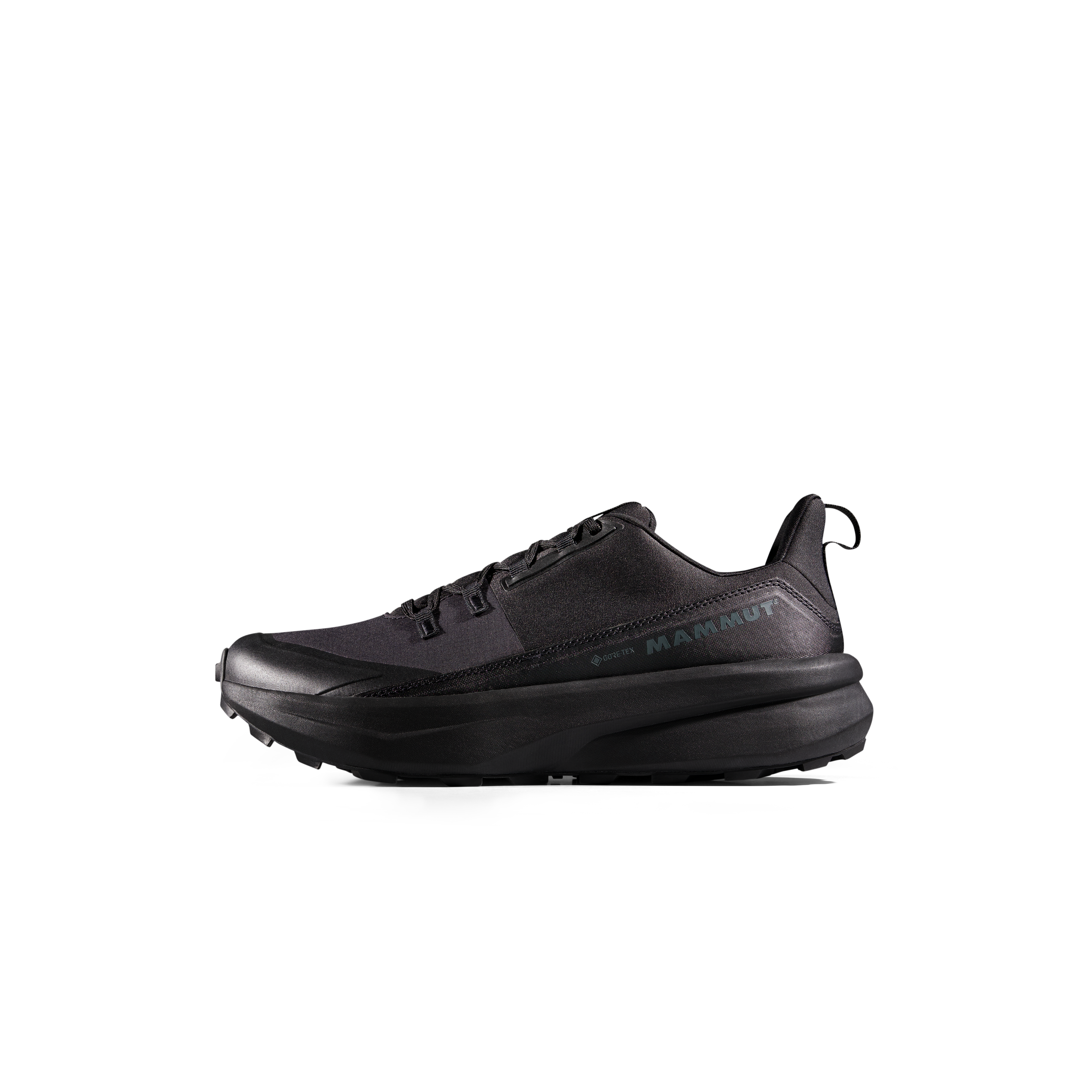
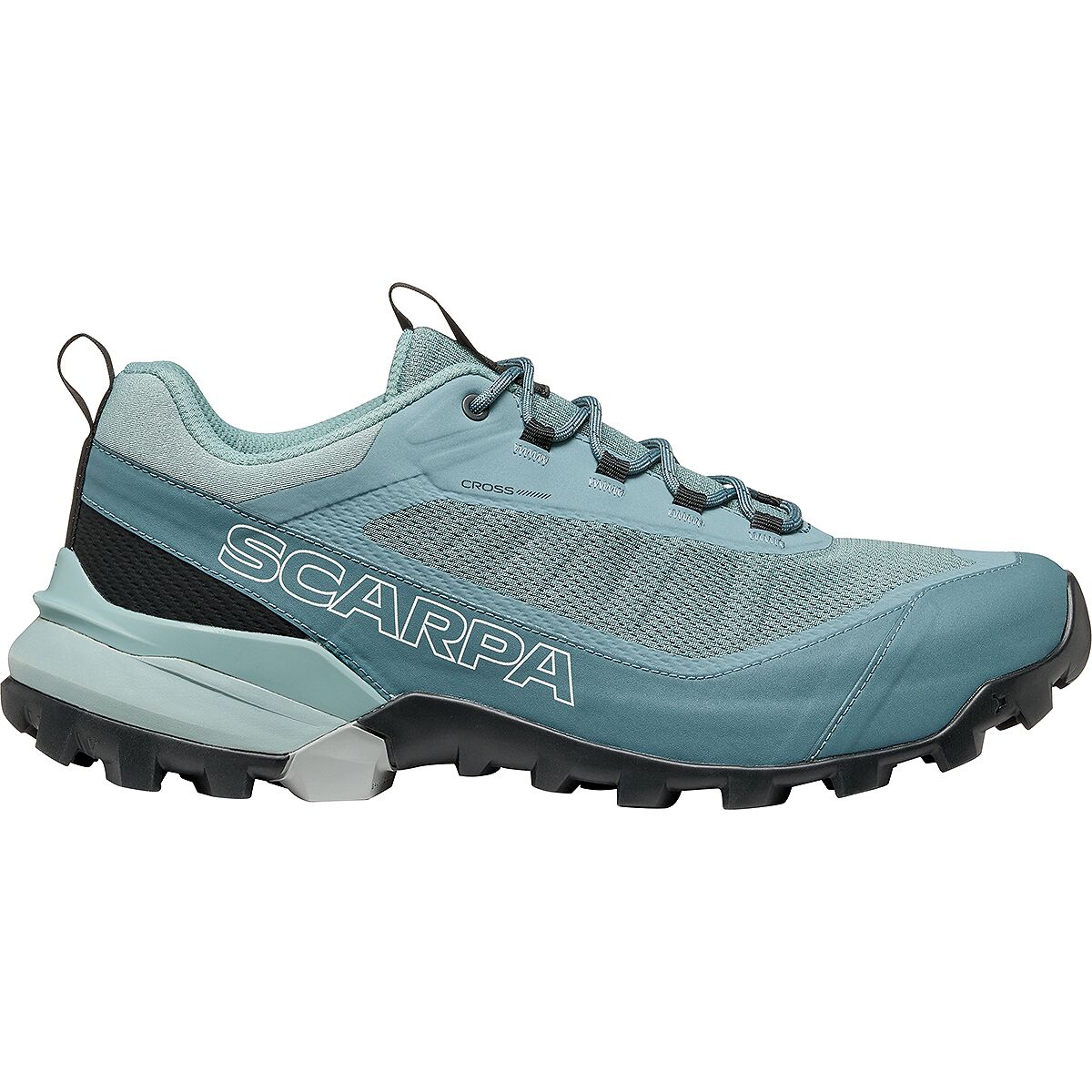
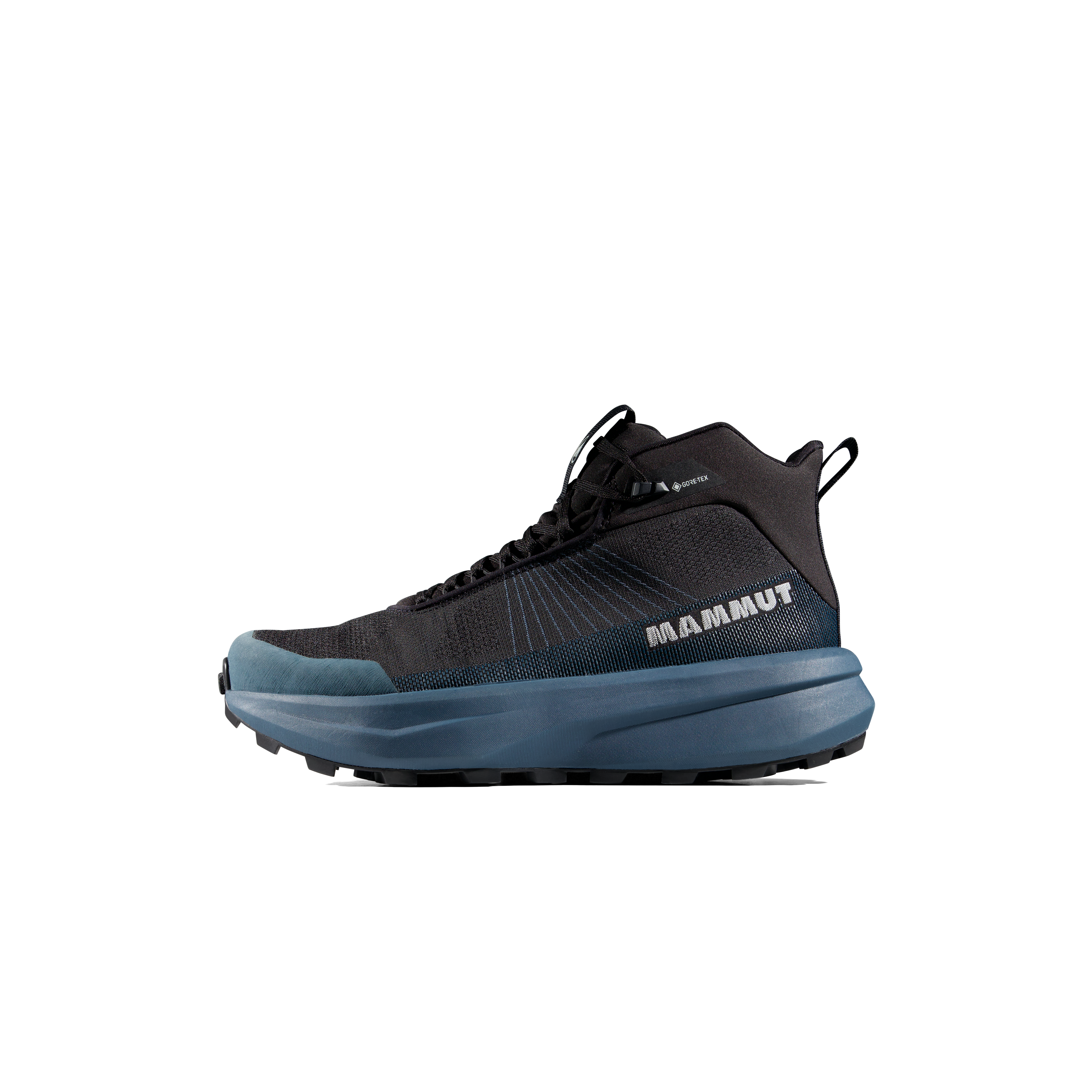
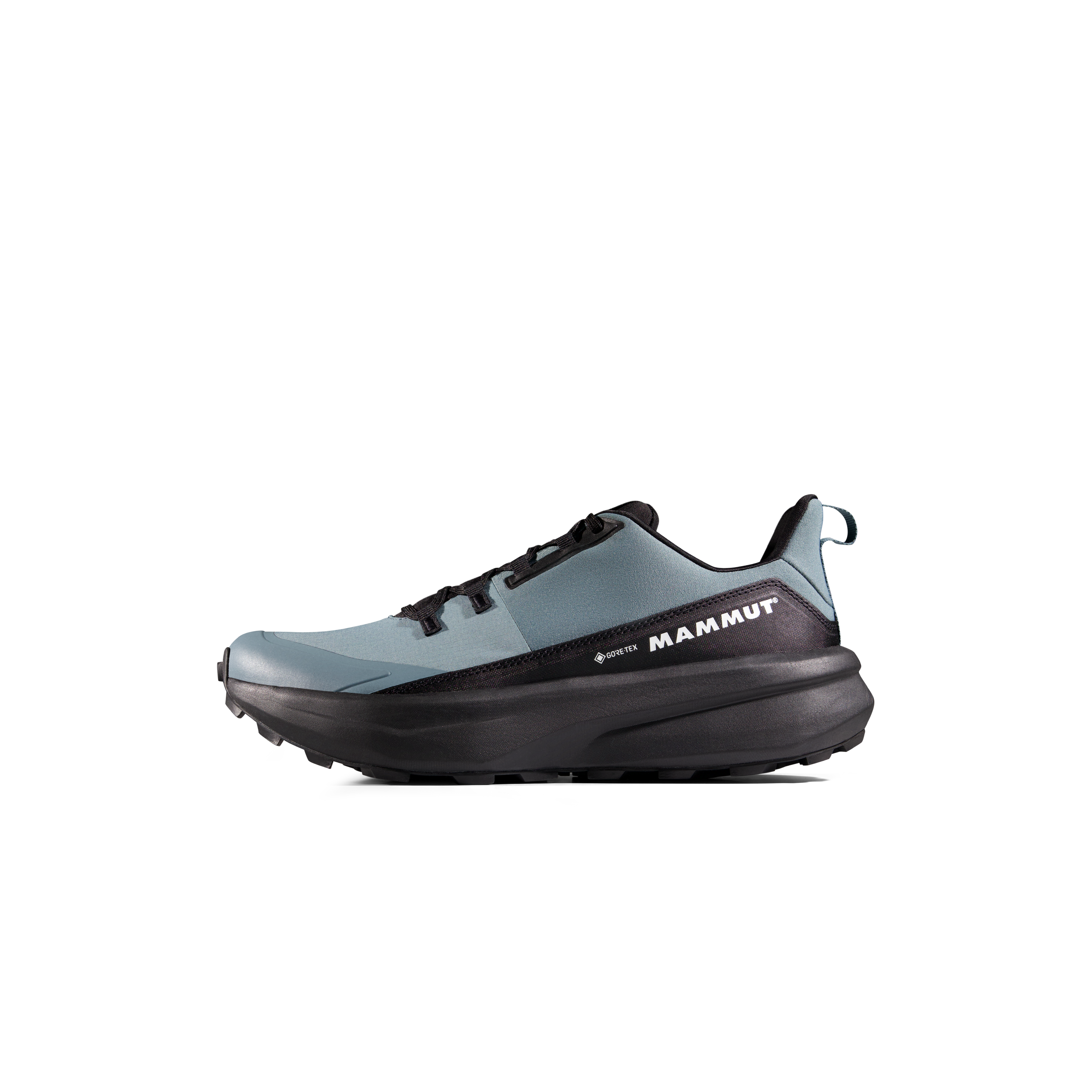
A waterproof shell, warm sleep system and tested footwear matter more than buying expensive summit equipment. See the GSG gear guide for broader advice. The following optional selection is an affiliate-supported product module, labeled as such and placed after the editorial checklist.
Affiliate disclosure: Global Summit Guide may earn a commission from qualifying purchases made through some product links, at no extra cost to you. Editorial recommendations are not sold as rankings.
Footwear for Long Peru Treks
What if the Salkantay Trek is not the right five-day hike?
Five days can also support other excellent Peru objectives, but those should be treated as different trips, not detours to squeeze into the same Salkantay itinerary. For example, the Santa Cruz Trek has a strong four- to five-day hiking format from Huaraz, while a five-day Ausangate circuit is higher and generally more remote. Choquequirao is an ambitious archaeological trek rather than a Machu Picchu substitute.
| Option | Primary experience | Planning character | Best fit |
|---|---|---|---|
| Salkantay, 5 days | High pass, Humantay, cloud forest, Machu Picchu | Very high Day 2 + timed citadel visit | Mountain-first Machu Picchu trip |
| Classic Inca Trail, 4 days + Cusco day | Historic Inca road, archaeological sites and Sun Gate | Controlled advance permit + regulated operator | Historic journey first |
| Santa Cruz, ~4–5 days | Cordillera Blanca glaciers, camps and Punta Unión | Huaraz base and serious altitude | Alpine hiking without Machu Picchu |
| Ausangate, ~5 days | Very high Andean lakes, glaciers and living communities | Remote camps and repeated high terrain | Experienced high-altitude hikers |
| Choquequirao, ~4–5 days | Remote archaeology and steep canyon hiking | Big descents and climbs, access logistics | Inca site without crowds of Machu Picchu |
Next click: use Best Hikes in Peru for the full comparison; Inca Trail for route/permit detail; or the hiking database to discover another trek.
Five-day Peru itinerary FAQs
Can you hike Peru in five days?
Yes, if five days refers to a focused hike rather than your entire Peru vacation. Salkantay is a popular five-day route; acclimatization, flights and recovery should be additional days.
What is the best five-day Peru hike?
For a blend of high mountain scenery and Machu Picchu, Salkantay is a strong choice. Santa Cruz is better for a focused Cordillera Blanca alpine trek; Ausangate is more remote and high.
Does the Salkantay Trek finish at Machu Picchu?
Many five-day versions end with a timed Machu Picchu citadel visit after a night in Aguas Calientes. That is not the same arrival as the Classic Inca Trail through Intipunku.
How high is the Salkantay Pass?
About 4,630 metres (15,190 feet). Published routes vary slightly in the stated pass altitude and exact trekking track.
How many miles is the 5-day Salkantay Trek?
Programs differ substantially: roughly 60–75 km (37–47 miles) is a useful high-level range, with some variants adding Llactapata and others using vehicle transfers. Demand a stage-by-stage itinerary.
Is the Salkantay Trek harder than the Inca Trail?
For altitude, the conventional Salkantay trek goes higher: around 4,630 m versus about 4,215 m on the Classic Inca Trail. Actual difficulty depends on your pace, stage distances, altitude response and trail conditions.
Do I need a permit for Salkantay?
The common Salkantay approach via Collpapampa and Aguas Calientes is not the same as the controlled Classic Inca Trail. But route variants can enter the regulated Inca Trail network, and Machu Picchu requires its own ticket. Confirm exact itinerary and permissions.
Do I have to book Machu Picchu separately?
Not always. Some guided packages include a specific timed entry ticket, while others do not. Always verify the ticket exists, its circuit, route, date and entry time—not just a vague promise that entry is included.
When is the best month to do Salkantay?
May through September offers the broadest dry-season conditions. June through August can be clear but cold, while shoulder months offer greener landscapes with more weather uncertainty.
Do I need time to acclimatize in Cusco?
Yes, unless you have already acclimatized appropriately. Allow roughly two or three nights or a medically appropriate staged ascent before the trek; the CDC recommends gradual adaptation.
What should I budget?
Published 2026 five-day guided examples range from about $600–$800 for some group trips, and premium versions can exceed $1,000. Add pre-trek lodging, omitted equipment, tips, flights, and contingency.
Can I do Salkantay independently?
Independent travel may be possible on some conventional sections, but land-access arrangements, current local restrictions, weather, navigation, camps and Machu Picchu ticketing still apply. First-time high-altitude trekkers often benefit from qualified local support.
Is Humantay Lake mandatory?
No. It is a common and beautiful side hike on Day 1, but altitude symptoms, timing or weather may justify skipping it. A safe pace is more important than a photograph.
Should I fly home on Day 5?
Avoid a tight same-day international connection. Weather, transport disruption, ticket timing and long transfers can make the return unpredictable.
How this itinerary was researched
This page combines official Peruvian visitor rules, CDC altitude guidance and contrasting commercial itinerary examples. Operator materials demonstrate variation; they do not establish a universal timetable or represent a GSG endorsement. We have not personally hiked every stage.
- Peru Ministry of Culture — official Machu Picchu online tickets — Government ticket channel and visit route selection.
- Peru Ministry of Culture — 2026 ticketing pilot — September 2026 payments update; future procedures may differ.
- SERNANP — Historic Sanctuary of Machupicchu — Descriptions of regulated Inca Trail network routes and protected area.
- CDC Yellow Book — Peru — Official traveler-health context for Cusco and Salkantay altitude.
- CDC Yellow Book — High-Altitude Travel — Acclimatization and altitude illness prevention.
- TreXperience — Salkantay 5D sample itinerary (PDF) — One operator example for daily stages and distances; not an endorsement.
- Salkantay Trekking — Five-day brochure (PDF) — Different five-day route and stage length example.
- Salkantay Trekking — published program FAQ — Sample 2026 published price tiers and route length variation.
What must be rechecked before booking
Machu Picchu ticket inventory and circuit; controlled route variants; 2027 train schedules and prices; current local camp/community charges; weather-related access; operator coverage, inclusions and cancellation terms. Last editorial research: October 30, 2026.
All named photographs have an individual source-file link and Creative Commons credit. Some upstream image redirects can fail; preview the published page and replace broken assets with approved GSG media before publication.
Make the five-day trek part of a complete Peru trip
A thoughtful five-day Salkantay hike begins before Day 1 and continues after Day 5. Build the acclimatization, ticket, lodging and transport choices into one realistic trip rather than booking the trek in isolation.
Compare other Peru routes
Best Hikes in Peru helps determine whether Salkantay, Santa Cruz, Ausangate or the Inca Trail fits the goal.
Understand the regulated option
Classic Inca Trail explains the archaeological route and its permit model.
Turn research into a plan
My Climb keeps route, equipment, budget and departure details in one planning workspace.
Global Summit Guide · Independent editorial planning · 2026 research baseline · No current guide booking, train inventory or Machu Picchu admission is being offered or guaranteed here.
Was this helpful?
🏔Related peaks nearby
🧭Explore & compare
Global Summit Guide is an independent mountaineering resource founded in 2026. The team combines first-hand trekking and climbing experience with in-depth research and professional health and nutrition review to help climbers choose objectives, prepare properly, and stay safe.
Health, altitude, and nutrition content is reviewed by Taylor Ludlow (Registered Nurse) and Brigg Hoopes (Nutritionist).
What We Don't Know Yet
Mountain information changes quickly. This box explains the limits of what this page can responsibly promise.
- Visa, passport, vaccination, border, insurance, and local transportation rules may change before your trip.
- Route conditions, snowpack, closures, and weather can change quickly after this page is updated.
- Permit rules, fees, quotas, and reservation windows may change between review cycles.
- Operator availability, pricing, guide ratios, and cancellation terms can change by season.
- Your fitness, altitude response, risk tolerance, and experience level may change what is safe or realistic.
Verify current conditions with official land managers, guide services, local forecasts, and current route reports before booking or climbing.
Mountaineering, rock and ice climbing, glacier travel, and high-altitude activity are inherently dangerous and can result in serious injury or death. The information on Global Summit Guide is provided for general informational and educational purposes only and is not a substitute for professional instruction, qualified guiding, proper equipment, or your own judgment and experience.
Route conditions, weather, snowpack, permits, regulations, and hazards change constantly and may differ from what is described here. Details may be incomplete, out of date, or contain errors. Always verify current information with local authorities, certified guides, and official sources before making any decision in the mountains.
Nothing on this site is medical, legal, or financial advice. Our fitness, acclimatization, altitude, and nutrition content is general in nature; consult a qualified physician before beginning any strenuous exercise program or exposing yourself to high altitude.
You are solely responsible for your own safety and decisions. To the fullest extent permitted by law, Global Summit Guide and its team accept no liability for any loss, injury, damage, or expense arising from use of, or reliance on, this information. By using this site you acknowledge these risks and accept these terms.
Some links on this site may be affiliate links. If you buy through them we may earn a small commission at no extra cost to you; this never affects our recommendations.
Global Summit Guide recommendation path
Next Best Mountain to Research
Use these recommendations to continue the right planning path instead of stopping on one page.
Use current permit, weather, route, and operator information before booking or climbing.