Last updated November 14, 2026
5-Day Nepal Himalaya Hiking Itinerary
Five days. Four mountain teahouse nights. Sunrise at Poon Hill, rhododendron forests and the Gurung village of Ghandruk. This Pokhara-to-Pokhara trek delivers a genuine Himalayan hiking experience without pretending Everest Base Camp fits into a long weekend.

What Can You Actually Hike in Nepal in Five Days?
Choose the Ghorepani–Poon Hill–Tadapani–Ghandruk circuit. From a Pokhara base, spend night one in Tikhedhunga or Ulleri, night two in Ghorepani, night three in Tadapani, and night four in Ghandruk. Hike Poon Hill (3,210 m) at sunrise on day three and return to Pokhara on day five.
This is a foothills trek with views of Annapurna, Dhaulagiri and Machapuchare, not a climb to any of those summits. It does not include Kathmandu transfers, international flights, or an Everest Base Camp trek.
Follow the Trail, One Day at a Time.
Select any day below to review its overnight village, expected hiking time and the main planning consideration.
Tikhedhunga / Ulleri
Drive from Pokhara, then climb through villages and terraced hillsides toward the first teahouse.
Overnight: Tikhedhunga or Ulleri · 4–6 hours estimated walking

Distances and durations depend on roadheads, weather, individual pace and route condition. The diagram is illustrative, not suitable for navigation; use local trail information and your guide’s route plan.
Your Five Days, Fully Planned.
The short days are intentional. A Himalayan trek is better when the itinerary leaves room for changing conditions and local culture.
Tikhedhunga / Ulleri
Drive from Pokhara toward Nayapul or a usable roadhead, then walk through Birethanti, terraces and forest to Tikhedhunga. Hike the steep Ulleri stairway only if time and fitness allow.
Overnight: Tikhedhunga (~1,540 m) or Ulleri (~2,050 m).
Ghorepani
Ascend past Ulleri and Banthanti through changing forest to Ghorepani. Today has sustained stair climbing and the largest overnight elevation gain; keep a deliberately conversational pace.
Overnight: Ghorepani (~2,860 m).

Poon Hill → Tadapani
Start before dawn for Poon Hill, weather permitting. Return to Ghorepani for breakfast, then traverse ridges and rhododendron forest toward Tadapani.
Overnight: Tadapani (~2,600–2,630 m).

Ghandruk
Descend the forested ridge toward the Gurung village of Ghandruk. Leave the afternoon for village lanes, viewpoints, local food and a slower cultural experience.
Overnight: Ghandruk (~1,940–2,010 m).

Return to Pokhara
Walk out along a current footpath toward Kimche, Birethanti or the agreed roadhead, then transfer back to Pokhara. Road construction and seasonal changes can shorten the trek or alter the pickup point.
Overnight: Pokhara (post-trek hotel; not included in four trail nights).

What Makes These Five Days Memorable?
Five real mountain-trail moments, not generic Himalayan stock imagery.

Permits, Guides & What to Verify.
Don’t rely on old forum posts about independent hiking. Nepal Tourism Board’s official route-specific rules are the proper starting point.
| Requirement | Official guidance | How to use it |
|---|---|---|
| Annapurna Conservation Area entry (ACAP) | NPR 3,000 for non-SAARC foreign visitors; NPR 1,000 for SAARC citizens. Fees subject to change. | Arrange the applicable permit through approved channels before reaching checkpoints. |
| TIMS / trekking guide rule | NTB lists the Poon Hill–ABC trekking route among those requiring a licensed guide and agency-issued TIMS card. Standard NTB TIMS rate: NPR 2,000 for non-SAARC foreigners, NPR 1,000 SAARC. | Confirm in writing which TIMS/guide provisions apply to your exact Ghorepani–Poon Hill–Ghandruk route; do not infer an exemption. |
| Passport, visa, insurance | Passport/visa rules depend on nationality. Medical treatment and helicopter evacuation can be costly. | Carry passport copies, permits, insurance policy and emergency contacts. |
| Trailhead / vehicle access | Road condition changes by weather and construction; Nayapul, Hile, Tikhedhunga and Kimche are not interchangeable walking starts. | Agree on the actual roadheads and how they affect hiking hours, total price and transfers. |
Sources: Nepal Tourism Board — TIMS and guide rules and official protected-area entry fees. These policies can change; recheck close to departure.
What Does a Five-Day Nepal Trek Cost?
Use this to evaluate quotes, not as a promise of a bookable price. Currency, service level and road transport vary.
| Cost item | Planning allowance |
|---|---|
| Teahouse beds / four nights | USD $40–$120 |
| Meals, tea, drinking water / five days | $95–$170 |
| Guide share / guiding arrangements | $120–$300+ |
| Pokhara road transfers | $50–$140 |
| ACAP + TIMS (where applicable) | Pay official NPR amounts |
| Contingency, tips, optional extras | $55–$160+ |
Illustrative allowances based on common teahouse-trek cost categories, not supplier quotes. Many commercial packages bundle guides, meals, rooms, local transfers and permits differently. Do not add a bundled line twice.
Compare the Inclusions, Not Just the Headline Price.
Ask for a written line-item quotation covering the start/end in Pokhara, group size, guide certification, accommodation type, meals, ACAP/TIMS arrangements, road transfers, cancellation and emergency protocols.
- Flights to Nepal and Pokhara hotels outside the five-day trek are usually separate.
- Charging, hot showers, hot drinks and Wi-Fi are commonly extra in teahouses.
- Tips and porter arrangements are often excluded.
- Emergency evacuation may require payment coordination with your insurer.
Where to Sleep—And What to Expect.
Four mountain nights, not a rushed sightseeing schedule. Make Pokhara your arrival and departure buffer.
Simple village lodge
Choose based on arrival time, the stair ascent and your group’s stamina. Uphill stone steps can feel much harder after travel.
Early sunrise start
Book early in busy spring and autumn windows. Bring warm layers; mornings can be cold despite a relatively low trek elevation.
Mountain-view teahouse
Smaller inventory than Pokhara; bookings are best handled with local knowledge when weather and group sizes change.
Village stay
Spend an unhurried afternoon exploring respectfully. Ask about family-run lodging, bathroom arrangements and power access.
Choose Your Month Before Your Hotel.
This is a lower Himalayan foothills route, but clouds, ice and rain still affect the experience.
Autumn clarity
Often a strong mountain-view window after monsoon, with cooler nights and busier teahouses. Visibility is never guaranteed.
Rhododendron season
Colorful forest walking with changing spring weather. Early starts reduce exposure to developing clouds and showers.
More weather margin
Winter can bring snow or icy steps at higher elevations. Summer monsoon means muddy trails, leeches, storms and landslide exposure.
Altitude is lower—not zero risk.
The route reaches roughly 3,210 m at Poon Hill and sleeps around 2,860 m in Ghorepani. Acute mountain sickness is possible above 2,500 m; assess symptoms carefully and do not continue ascending when symptoms worsen.
For forecasts, use GSG’s mountain-weather decision guide, then local/official information from your guide, land manager and weather service close to departure.
Understand acclimatization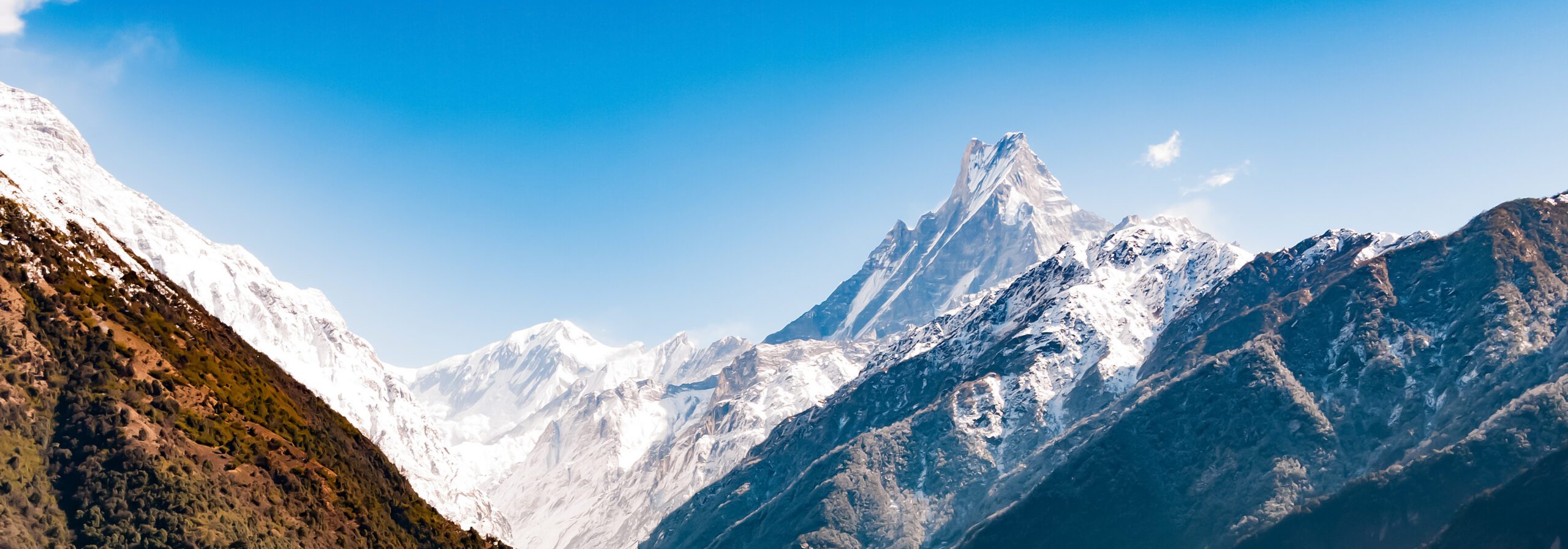
Two Himalayan Giants, One Manageable Foothills Trek.
The highest peaks stay far above the trail. That is the point: world-class mountain scenery without a technical summit.
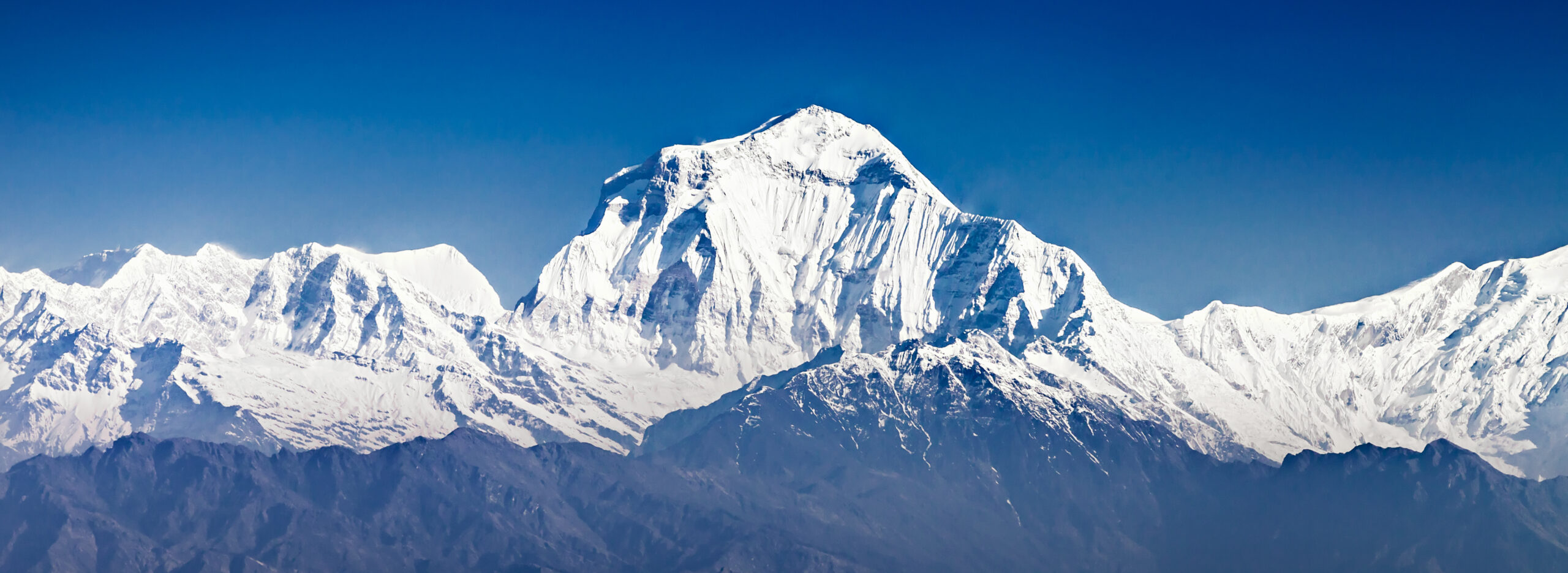

Photo locations are identified accurately: Dhaulagiri regional imagery and a route-specific forest photograph, not generic substitutes.
Bring Layers, Grip, and a Backup Plan.
This is a teahouse trek, so you should not need high-altitude expedition equipment or a large camping setup in ordinary conditions.
What changes with the season?
Ask your local guide about snow, ice, and traction needs for the ascent to Poon Hill. In monsoon, prioritize rain protection and dry bag storage. Pack for the coldest reasonable viewpoint temperature, not for afternoon conditions in Pokhara.
Mark items to build your own departure checklist.
Trekking pole techniquesPrefer a Guided Five-Day Trek?
TourRadar lists real Ghorepani–Poon Hill itineraries. Compare each tour’s actual days, lodge arrangements and permit inclusions before booking.
Affiliate disclosure: Global Summit Guide may earn a commission from eligible TourRadar bookings. This commercial section does not determine our editorial route advice or operator rankings. Availability, prices and reviews change; check the current listing rather than relying on static prices here.
Ghorepani Poon Hill Trek — 5 Days
Eco Holidays Nepal. TourRadar describes a five-day trip starting and ending in Pokhara, with guided trekking and teahouse accommodation. Compare the detailed day plan and inclusions.
View the five-day TourRadar itinerary ↗Poon Hill Trek — 5 Days
Destination Unlimited Treks & Expeditions. The itinerary lists Tikhedhunga, Ghorepani, a Poon Hill sunrise, Tadapani and Ghandruk. Check whether road transfers and permits match your needs.
See the second five-day itinerary ↗The partner link is the established GSG TourRadar tracking destination. Individual itinerary links open their published listing pages; their commission attribution is not guaranteed by this page.
What if You Have More—or Less—Time?
Don’t shrink a long high-altitude itinerary to fit a five-day marketing headline.
Pokhara day hikes
Choose foothill viewpoints, local villages and easier day walks. You can still see Himalayan peaks without sleeping high.
Read: Nepal easier hikes
Deeper Annapurna trek
Consider longer Annapurna options if you want extended forest, villages and more time nearer the mountains.
Read: Best treks in Nepal
Annapurna Circuit
The full high-pass trip is a different undertaking, reaching Thorong La (5,416 m) and requiring serious altitude planning.
Five-Day Nepal Trek FAQs.
Ten practical answers, including the questions that affect your actual five-day schedule.
Is five days enough for a Himalayan trek in Nepal?
Yes, for a short foothills route such as Ghorepani–Poon Hill–Ghandruk from Pokhara. It is not enough for an ordinary Everest Base Camp trek or the full Annapurna Circuit.
Does the five-day itinerary include Kathmandu?
No. It begins and ends in Pokhara. Schedule Kathmandu transfers and international travel separately, with a buffer for road or flight disruptions.
How high is Poon Hill?
Poon Hill is commonly listed at 3,210 metres (about 10,531 feet). You return to a lower teahouse after the sunrise viewpoint climb.
Is the Poon Hill trek difficult?
It is a non-technical, moderate hiking trip with numerous steep stone steps and several long days. Good general hiking fitness matters more than rope skills.
Do I need a guide and TIMS card?
Nepal Tourism Board lists Poon Hill–ABC among routes under its guide/TIMS requirements. Confirm exactly how your shorter Ghorepani–Ghandruk itinerary is classified and obtain all required documents through authorized channels.
What is the best month for Poon Hill?
October–November often offers clearer post-monsoon views, while March–April is popular for rhododendron blooms. Neither season guarantees a clear sunrise.
Can I see Mount Everest from Poon Hill?
Poon Hill is prized for Annapurna, Dhaulagiri and Machapuchare views. It is not an Everest viewpoint; plan an Everest-region trek for Everest scenery.
Where do you sleep on this trek?
This five-day version uses four trail nights: Tikhedhunga or Ulleri, Ghorepani, Tadapani and Ghandruk. Accommodation is usually simple local teahouses.
Do teahouses have private bathrooms and hot showers?
Facilities vary widely by lodge, village, and season. Confirm the current room, bathroom and charging arrangements when booking; expect extras to cost more.
Can I book this itinerary with TourRadar?
TourRadar currently lists five-day Ghorepani–Poon Hill guided trips. Check the actual itinerary, operator, included services, permits, travel dates, and cancellation terms before booking.
Sources, Verification & Photo Credits.
Updated October 22, 2026. Prices, roadheads, trekking rules and operator inventory should be reconfirmed before departure.
Route and trip information
- Nepal Tourism Board — TIMS, agency and licensed-guide provisions
- Nepal Tourism Board — conservation-area entry fees
- Magical Nepal — Ghorepani/Poon Hill 5-day route example
- TourRadar — published five-day Ghorepani tour itinerary
- TourRadar — second five-day trip example
Walking times and costs are planning ranges, not GPS-recorded trip logs or booking quotations. This article does not claim that Global Summit Guide personally walked the described circuit.
Photography and licensing
GSG media-library images show the Annapurna, Dhaulagiri and Machapuchare region. Route-specific Wikimedia Commons photographs are credited beside each picture, with source and Creative Commons license links. No photograph of Everest or a different named mountain is used to depict this trek.
Some photographs are hosted on Wikimedia Commons rather than in your WordPress media library. If any external image fails, download the licensed source and upload it to WordPress, preserving the photographer and license credits.
Source images have not been altered beyond ordinary responsive CSS sizing/cropping.
Find more route context in Nepal trekking route comparisons and the GSG trip-planning hub.
Build the full trekking itinerary
For “Five-day Poon Hill hiking itinerary,” compare the next trail decisions, acclimatization expectations and overnight stops before committing to dates.
Was this helpful?
🏔Related peaks nearby
🧭Explore & compare
Global Summit Guide is an independent mountaineering resource founded in 2026. The team combines first-hand trekking and climbing experience with in-depth research and professional health and nutrition review to help climbers choose objectives, prepare properly, and stay safe.
Health, altitude, and nutrition content is reviewed by Taylor Ludlow (Registered Nurse) and Brigg Hoopes (Nutritionist).
What We Don't Know Yet
Mountain information changes quickly. This box explains the limits of what this page can responsibly promise.
- Visa, passport, vaccination, border, insurance, and local transportation rules may change before your trip.
- Route conditions, snowpack, closures, and weather can change quickly after this page is updated.
- Permit rules, fees, quotas, and reservation windows may change between review cycles.
- Operator availability, pricing, guide ratios, and cancellation terms can change by season.
- Your fitness, altitude response, risk tolerance, and experience level may change what is safe or realistic.
Verify current conditions with official land managers, guide services, local forecasts, and current route reports before booking or climbing.
Mountaineering, rock and ice climbing, glacier travel, and high-altitude activity are inherently dangerous and can result in serious injury or death. The information on Global Summit Guide is provided for general informational and educational purposes only and is not a substitute for professional instruction, qualified guiding, proper equipment, or your own judgment and experience.
Route conditions, weather, snowpack, permits, regulations, and hazards change constantly and may differ from what is described here. Details may be incomplete, out of date, or contain errors. Always verify current information with local authorities, certified guides, and official sources before making any decision in the mountains.
Nothing on this site is medical, legal, or financial advice. Our fitness, acclimatization, altitude, and nutrition content is general in nature; consult a qualified physician before beginning any strenuous exercise program or exposing yourself to high altitude.
You are solely responsible for your own safety and decisions. To the fullest extent permitted by law, Global Summit Guide and its team accept no liability for any loss, injury, damage, or expense arising from use of, or reliance on, this information. By using this site you acknowledge these risks and accept these terms.
Some links on this site may be affiliate links. If you buy through them we may earn a small commission at no extra cost to you; this never affects our recommendations.
Global Summit Guide recommendation path
Next Best Mountain to Research
Use these recommendations to continue the right planning path instead of stopping on one page.
Use current permit, weather, route, and operator information before booking or climbing.