Last updated October 24, 2026
14 Peaks: The True Story of Nims Purja’s 2019 Quest
14 Peaks: Nothing Is Impossible follows Nepalese mountaineer Nirmal “Nims” Purja and a skilled Nepali climbing team attempting to complete the classic 14 mountains above 8,000 metres in less than seven months. Their reported 2019 sequence began on Annapurna on April 23 and ended on Shishapangma on October 29—just six months and six days later.
The documentary is real expedition footage, not a dramatized re-enactment. This guide maps all 14 dates, explains what the camera shows and leaves out, and separates the 2019 claims from later changes in summit-record verification.
Is the Netflix film 14 Peaks a true story?
Yes. The film documents a real expedition. Nims Purja led a team that attempted the 14 classic eight-thousanders in a compressed 2019 schedule, and the documentary includes footage from that effort. It is not, however, a complete independent audit of every reported summit.
Director Torquil Jones constructed a feature-length narrative from the expedition experience, interviews and team-recorded footage. Netflix released the film on November 29, 2021. Its central drama comes not from invented characters, but from money, permissions, altitude, weather, rescues, team logistics and the enormous pressure of a public deadline.
Official 14 Peaks documentary trailer
Official Netflix trailer. If the embedded player is unavailable, watch the original trailer on YouTube ↗.
What you are about to see
In less than two minutes, the trailer captures the film’s central idea: linking 14 expeditions into one relentless push. The finished film gives viewers more of the logistical setbacks, team negotiations and family commitments behind the summits.
Read the timeline below while watching: it follows the project’s actual announced order, not the film’s editing rhythm. The mountains were not climbed in order of height, and five of the ascents took place in Pakistan in July.
Who is Nims Purja—and what was Project Possible?
Nirmal “Nimsdai” Purja grew up in Nepal and served in the British armed forces before becoming known for extremely fast high-altitude mountaineering. Instead of undertaking one 8,000-metre expedition at a time, he proposed an audacious sequence: all fourteen of the classic peaks in seven months.
The key distinction is that this was never a one-person undertaking. Nepali climbers provided technical judgment, climbing strength, logistics, rescue work and summit support. The film includes teammates such as Mingma Gyabu “David” Sherpa, Geljen Sherpa, Lakpa Dendi Sherpa and others, along with expedition partners and the climber’s family. Credits, specific participation and route-fixing roles should be assessed peak by peak rather than reduced to a single heroic name.
Purja also relied on meticulous logistics, funding and political permission. Training and acclimatization, flights between ranges, support from fellow climbers and the timing of narrow weather windows made the schedule possible at all.
See the Project Possible first-party summit list for his reported dates, and the GSG 14 eight-thousanders research guide for mountain-by-mountain context.
A moving expedition
Each peak involved a different mountain, team configuration and access system. The travel-and-permit problem was itself a major project.
High-altitude expertise
Technical companions and Nepali support climbers were essential participants, not scenery behind the expedition leader.
Proof matters
Summit definitions and verification methods evolved after 2019, changing how historic record lists are interpreted.
All 14 peaks Nims Purja climbed in 2019: dates and order
These are the dates reported for Project Possible in 2019 and reproduced in Purja’s published expedition record. They should not be confused with a modern independent true-summit certification for every mountain. Use the phase buttons to explore the list, or scroll the complete table.
| # | Mountain | Reported date | Region | Phase |
|---|---|---|---|---|
| 01 | Annapurna I | 23 Apr 2019 | Nepal | Spring |
| 02 | Dhaulagiri I | 12 May 2019 | Nepal | Spring |
| 03 | Kangchenjunga | 15 May 2019 | Nepal / India | Spring |
| 04 | Mount Everest | 22 May 2019 | Nepal / Tibet | Spring |
| 05 | Lhotse | 22 May 2019 | Nepal / Tibet | Spring |
| 06 | Makalu | 24 May 2019 | Nepal / Tibet | Spring |
| 07 | Nanga Parbat | 3 Jul 2019 | Pakistan | Summer |
| 08 | Gasherbrum I | 15 Jul 2019 | Pakistan / China | Summer |
| 09 | Gasherbrum II | 18 Jul 2019 | Pakistan / China | Summer |
| 10 | K2 | 24 Jul 2019 | Pakistan / China | Summer |
| 11 | Broad Peak | 26 Jul 2019 | Pakistan / China | Summer |
| 12 | Cho Oyu | 23 Sep 2019 | Nepal / Tibet | Autumn |
| 13 | Manaslu | 27 Sep 2019 | Nepal | Autumn |
| 14 | Shishapangma | 29 Oct 2019 | Tibet (China) | Autumn |
Source: Nimsdai’s published Project Possible summit sequence and contemporaneous reporting by Deutsche Welle (2019). Summit heights are omitted here because published survey figures vary; the dedicated GSG fourteen-peak reference contains consistent elevation figures.
Showing all 14 mountains.
Annapurna I
Annapurna opened Project Possible. The dramatic opening phase began on a mountain known for avalanche exposure and complicated risk decisions.
Research the fourteen peaks and their individual guides →Dhaulagiri I
Severe conditions made Dhaulagiri a major test of the team’s planning, high-altitude pace and ability to keep moving.
Research the fourteen peaks and their individual guides →Kangchenjunga
The world’s third-highest peak followed only three days after Dhaulagiri, illustrating the unusually compressed schedule.
Research the fourteen peaks and their individual guides →Mount Everest
Everest brought the project into public view; a crowded summit route and the expedition’s rapidly changing logistics made this a defining moment.
Research the fourteen peaks and their individual guides →Lhotse
Lhotse was reached the same day as Everest. Although the mountains share part of a route system, their summits are separate objectives.
Research the fourteen peaks and their individual guides →Makalu
Makalu completed the first six climbs. Its isolated summit pyramid capped an extraordinarily intense Himalayan spring.
Research the fourteen peaks and their individual guides →Nanga Parbat
After moving into Pakistan, the team began the second stage on Nanga Parbat, a Himalayan giant with a long history of serious expeditions.
Research the fourteen peaks and their individual guides →Gasherbrum I
Gasherbrum I marked the first of two consecutive Gasherbrum summits in the Karakoram, adding difficult logistics and terrain.
Research the fourteen peaks and their individual guides →Gasherbrum II
Three days later, the team reported Gasherbrum II. Nearby peaks do not mean interchangeable routes or conditions.
Research the fourteen peaks and their individual guides →K2
On K2, the team played a consequential role opening the route during a difficult season. The climb became a centerpiece of the documentary.
Research the fourteen peaks and their individual guides →Broad Peak
Broad Peak came only two days after K2, closing a five-summit Pakistan phase completed in July.
Research the fourteen peaks and their individual guides →Cho Oyu
The third phase began with Cho Oyu. Border access and permits were as important as the climbing timetable.
Research the fourteen peaks and their individual guides →Manaslu
The reported Manaslu summit belongs in the contemporary timeline; later revisions to true-summit verification complicate simplistic all-14 record claims.
Research the fourteen peaks and their individual guides →Shishapangma
Shishapangma concluded the publicly reported Project Possible sequence on 29 October 2019, following special access arrangements.
Research the fourteen peaks and their individual guides →Six peaks in the Nepal Himalaya
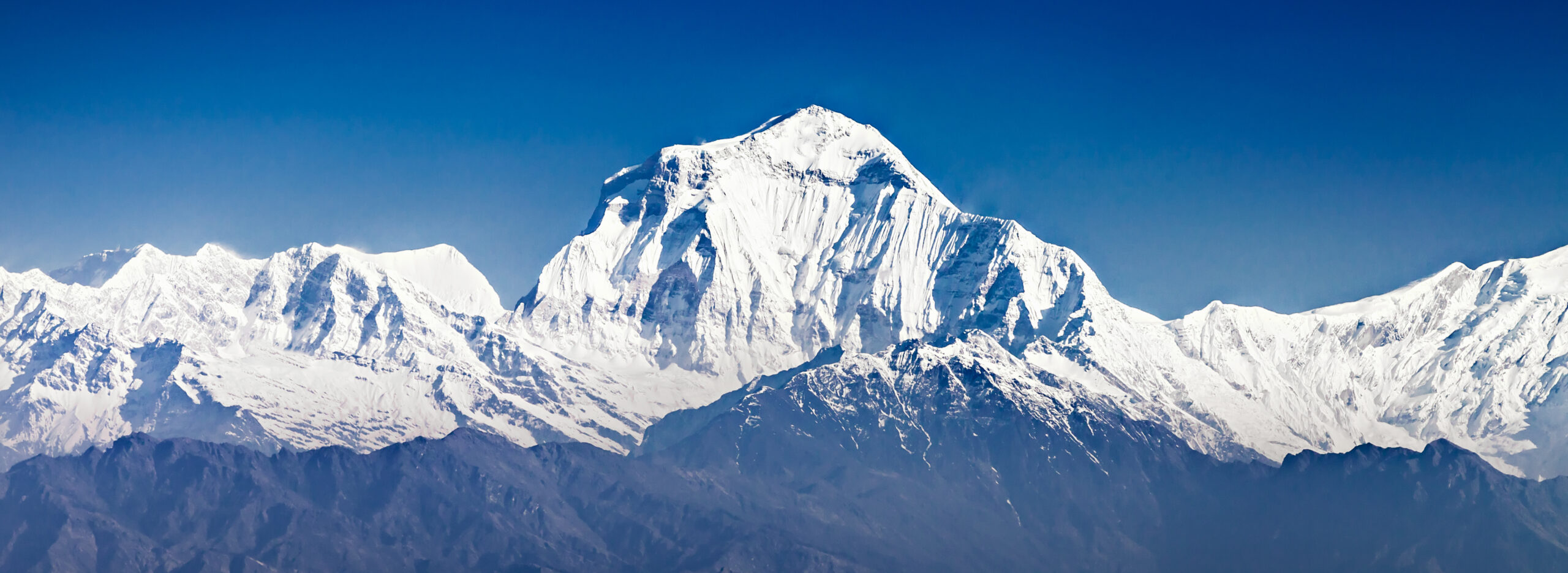
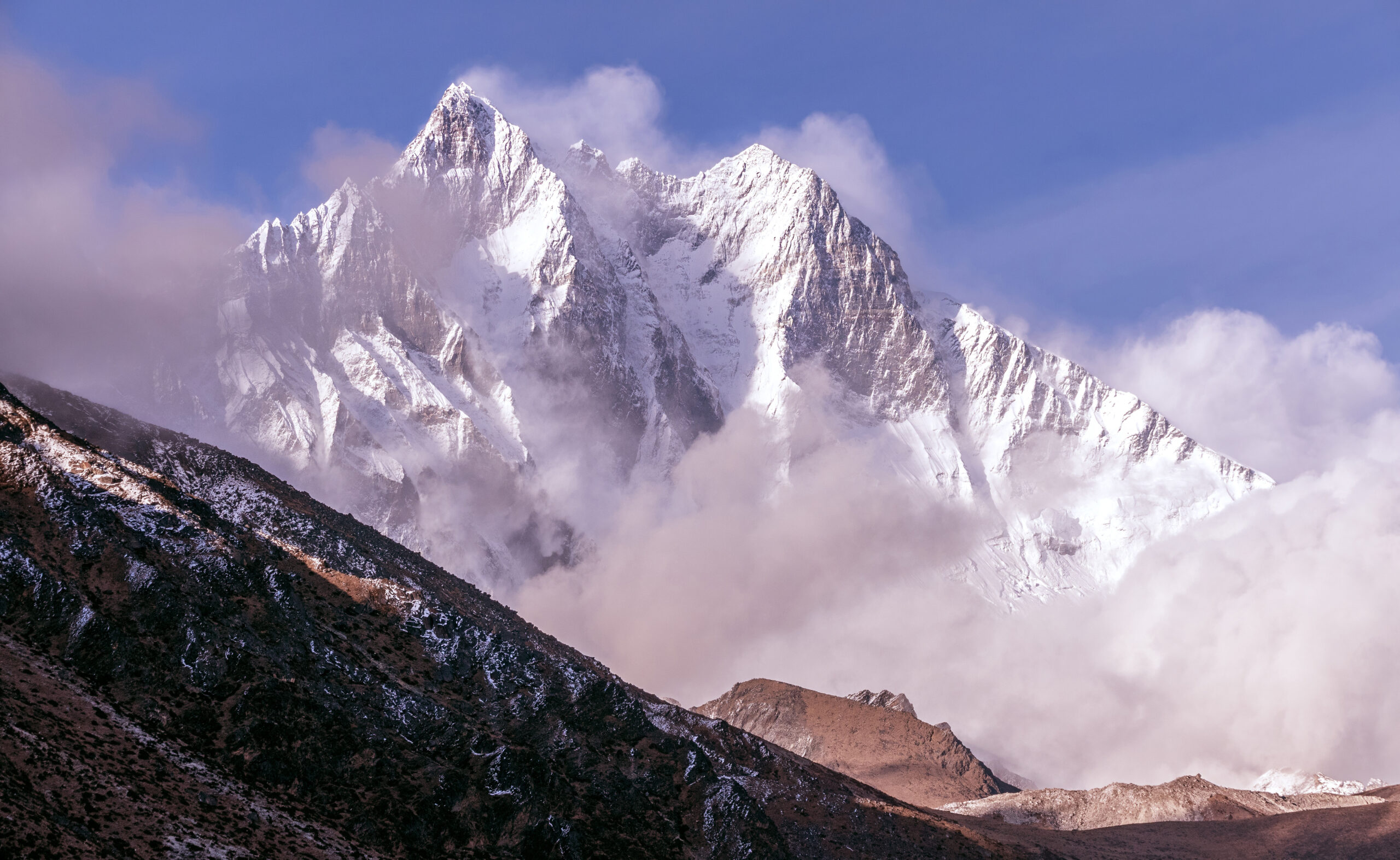
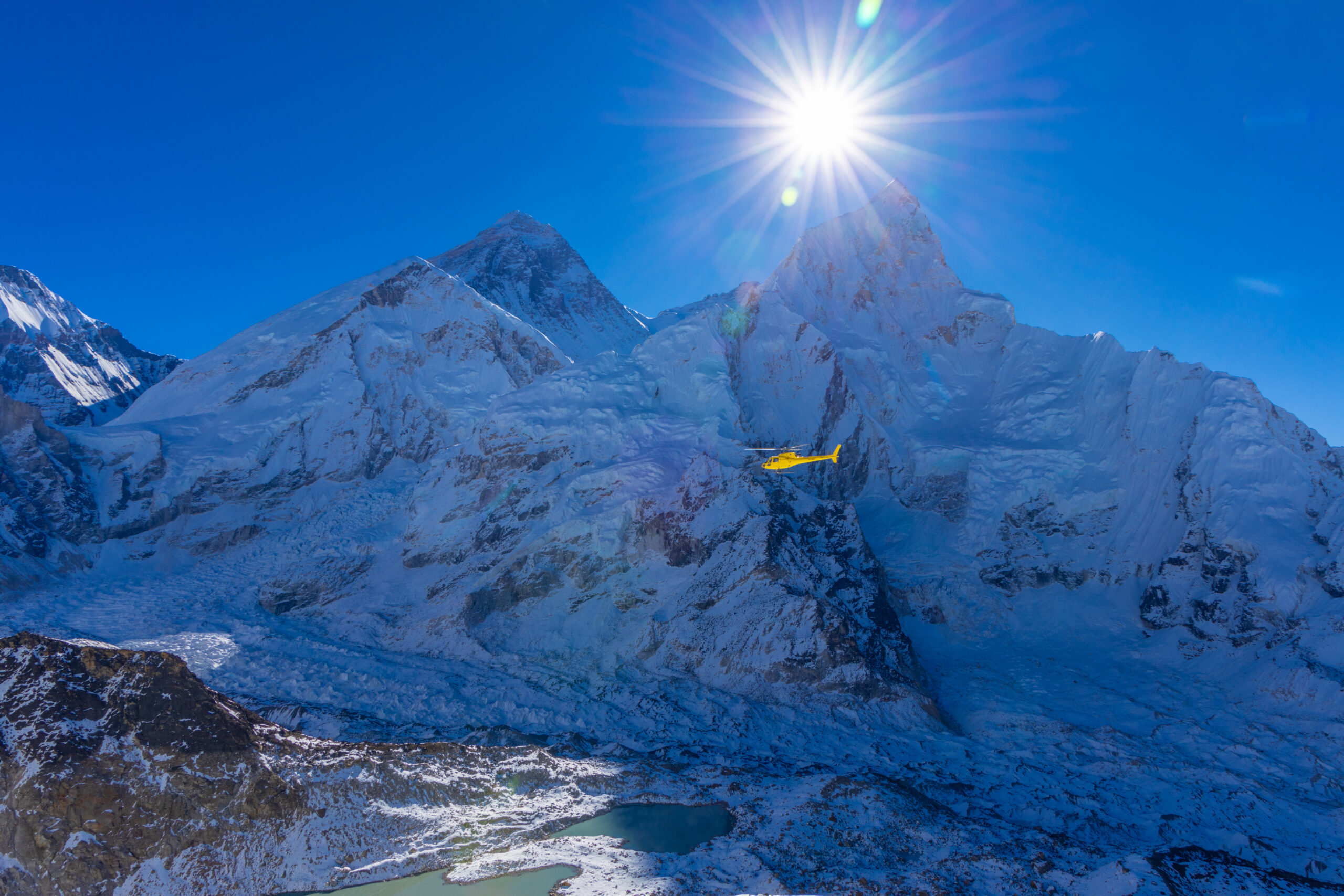
The first phase moved from Annapurna to Dhaulagiri and Kangchenjunga, then into an intense Everest–Lhotse–Makalu sequence. Six announced summits within a little over a month made the physical and logistical pace immediately unusual.
Why this phase matters
Dhaulagiri brought demanding conditions, while Kangchenjunga demanded rapid movement between distant regions. On May 22, Everest and Lhotse were reportedly summited on the same day; Makalu followed two days later.
These climbs were not equivalent. Annapurna’s avalanche exposure, the shared Everest–Lhotse access, and Makalu’s independent summit pyramid made each logistical problem different.
A climber’s calendar is not a safety rating. Read the Everest mountain guide to understand how the Himalayan summit window is normally planned and why weather drives turnaround decisions.
Pakistan: Nanga Parbat, the Gasherbrums, K2 and Broad Peak
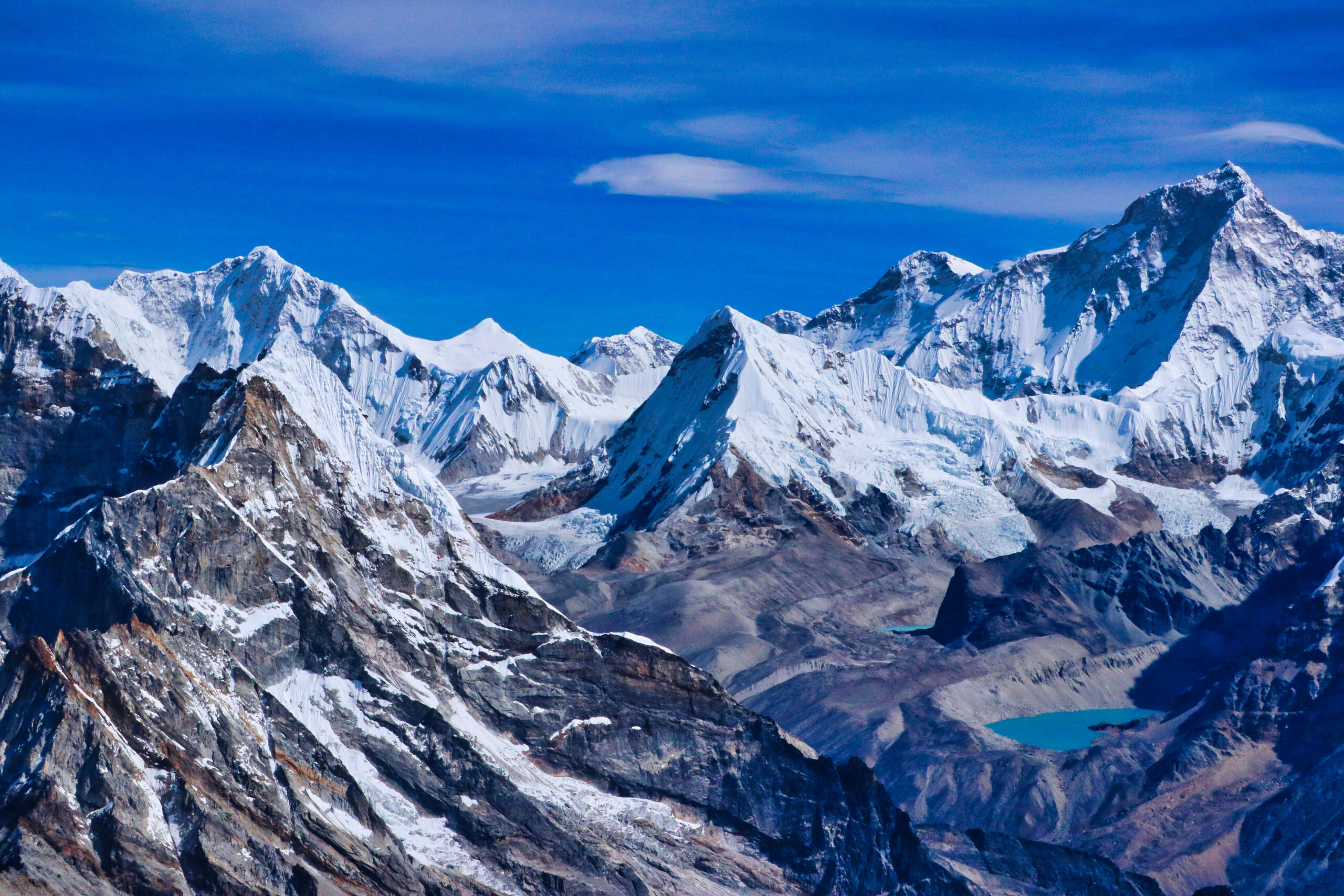
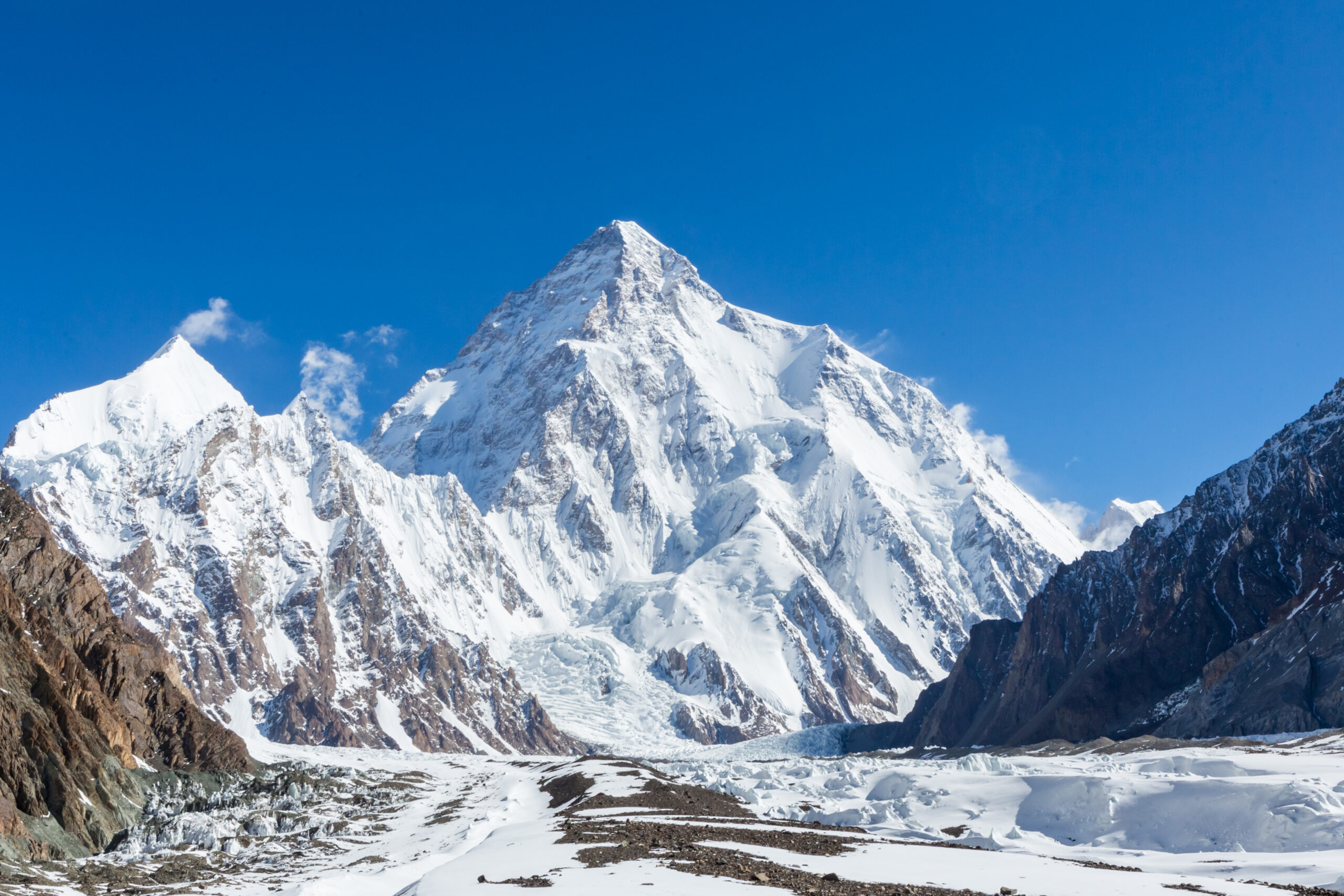
Pakistan’s July phase contained five announced summits in twenty-four days, running from Nanga Parbat on July 3 to Broad Peak on July 26. This section includes several of the film’s most dramatic high-altitude sequences.
K2 became the pivotal climb
K2 was not simply the tenth mountain on a checklist. A demanding summer season, fixed-route work, summit weather and steep terrain made reaching 8,611 metres a consequential undertaking. The team’s K2 success was followed by Broad Peak two days later.
Even though K2 and Broad Peak rise in the same general region, their normal climbing routes have different altitude profiles and technical concerns. The film compresses transitions for storytelling; expedition logistics remain essential to interpreting the calendar.
Explore the K2 climbing guide and the 2021 K2 winter first-ascent context for separate mountain history.
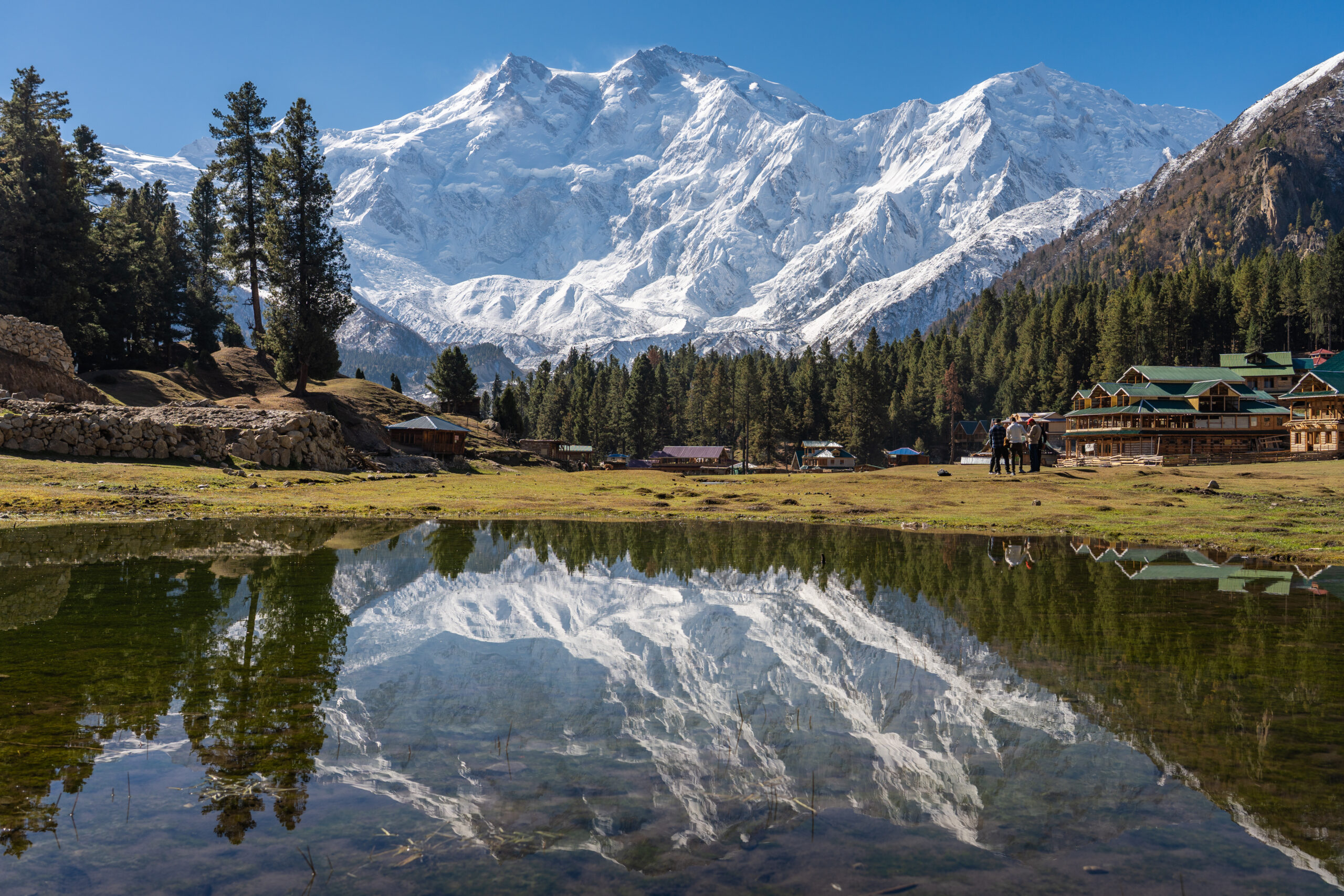
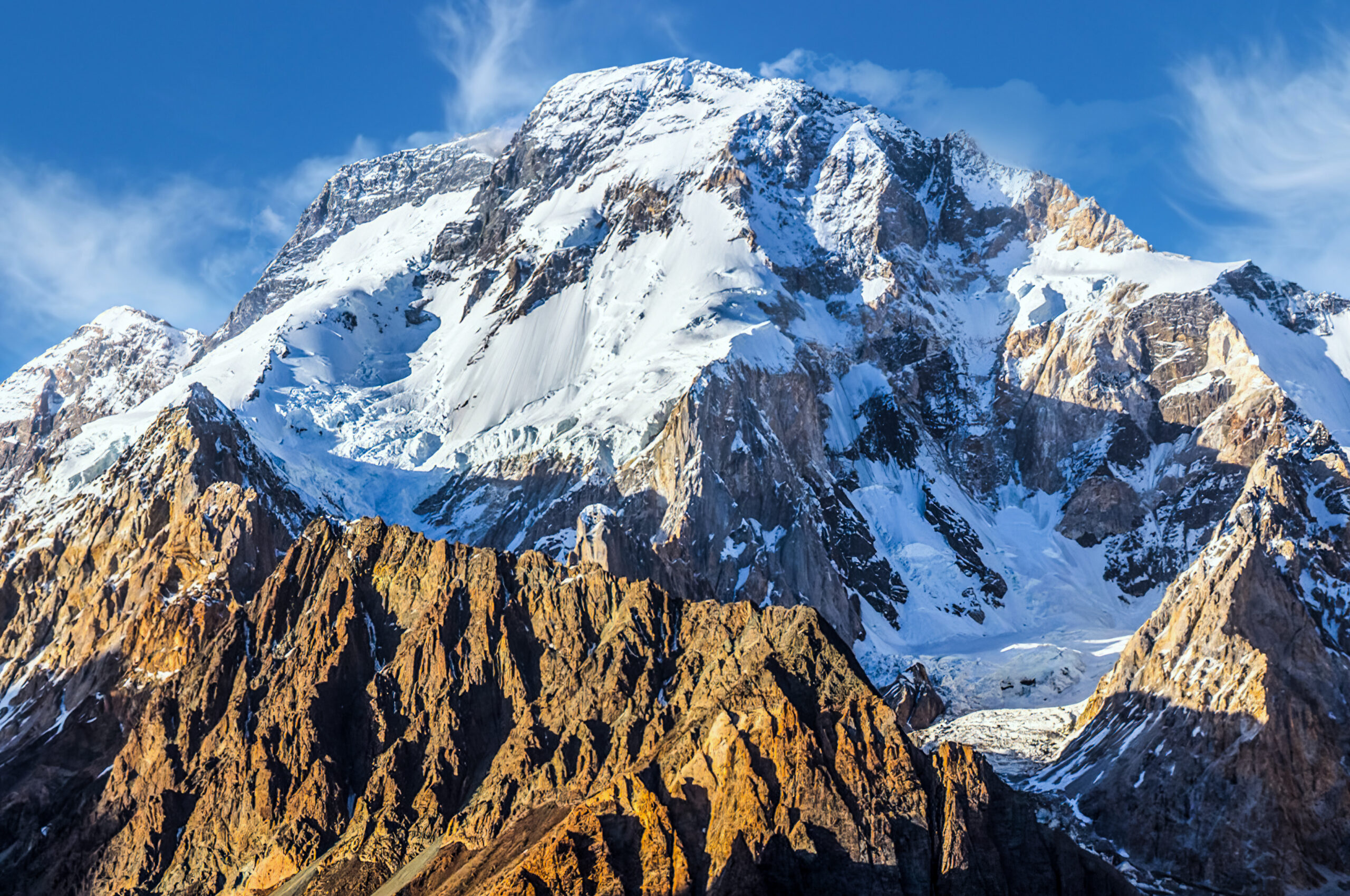
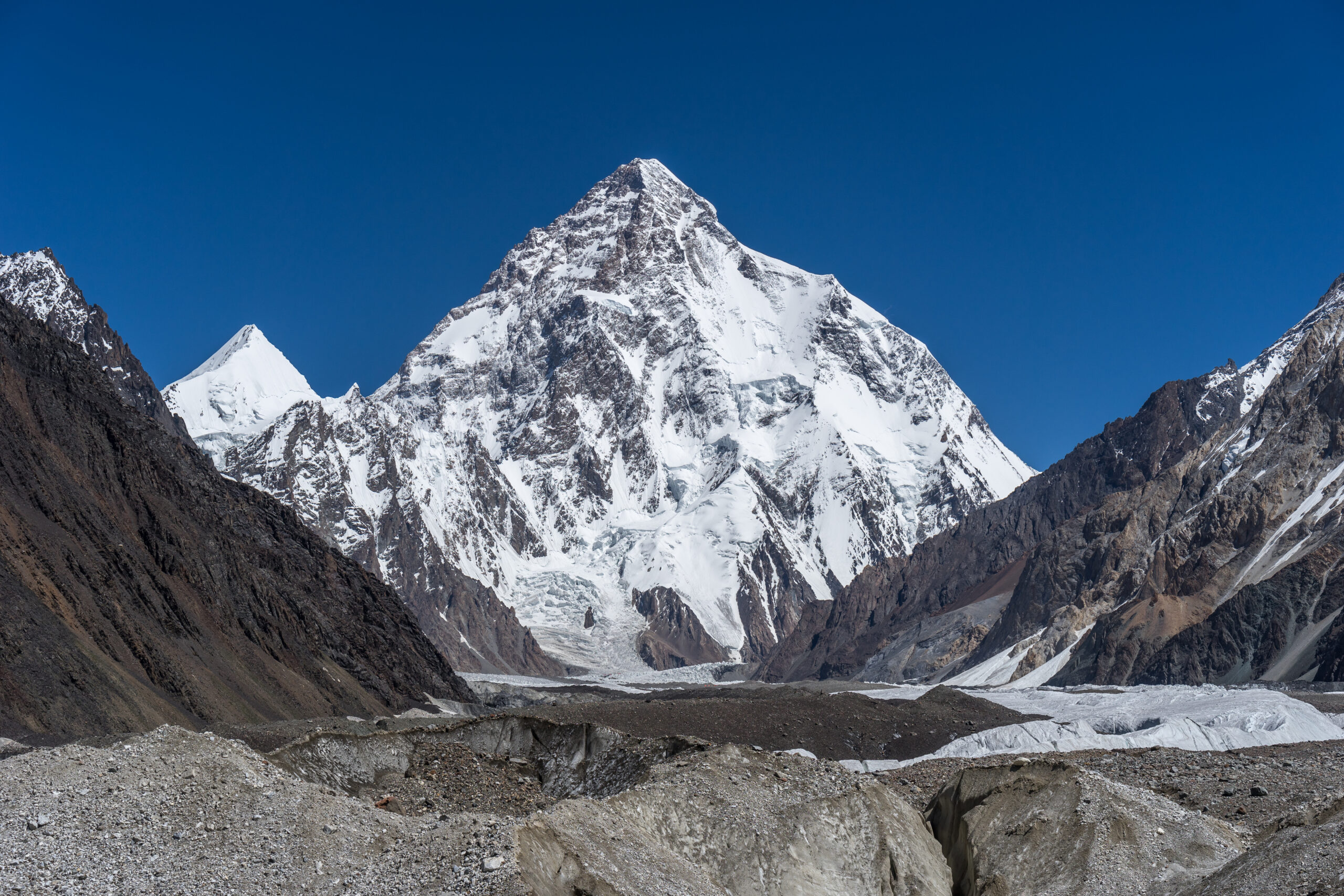
Note: Nanga Parbat belongs to the Himalaya geographically; the Pakistan expedition phase included both Himalayan and Karakoram objectives.
Cho Oyu, Manaslu and the final Shishapangma ascent
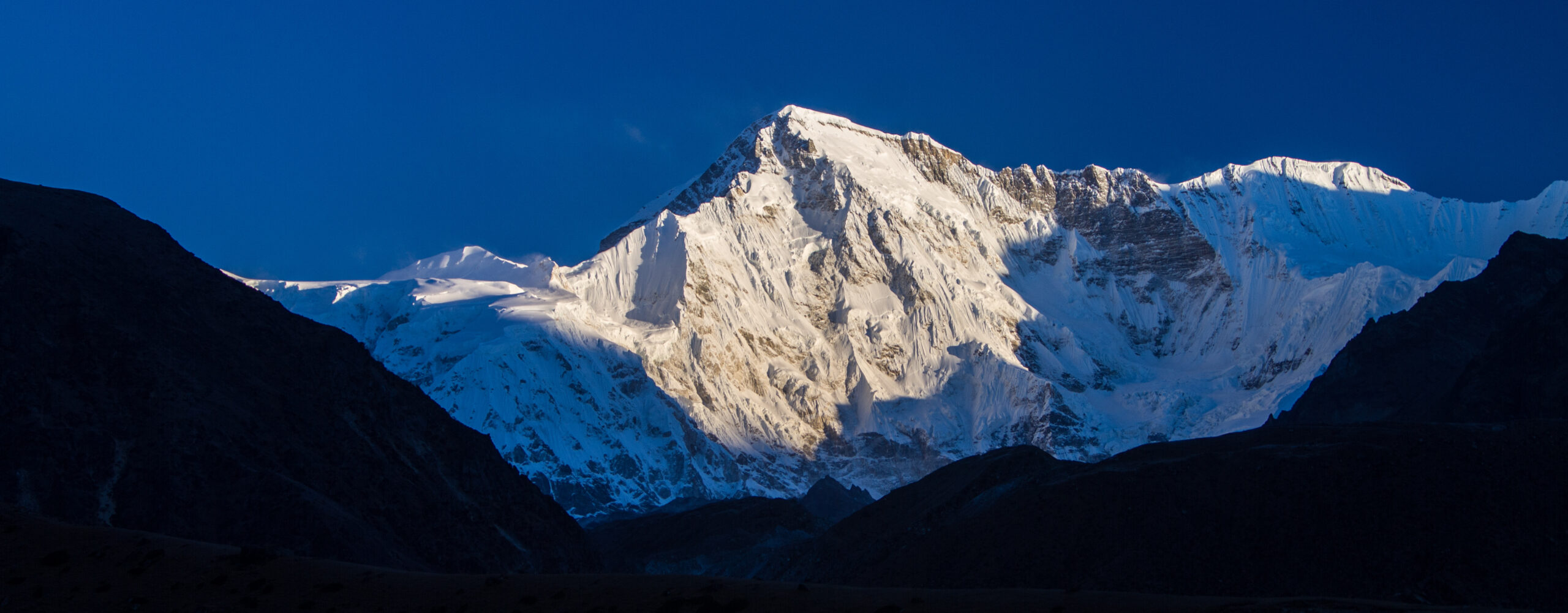
After the July Pakistan climbs, Project Possible still required access to mountains across the Nepal–Tibet region. Cho Oyu was reported on September 23, followed by Manaslu on September 27.
Shishapangma required special attention to access arrangements. The published final ascent date is October 29, 2019, completing the original Project Possible claim after six months and six days.
This phase is also a reminder that a movie can tell a historically significant story while later recordkeepers continue re-examining the precise summit points achieved. The summit-verification section explains why.
14 Peaks: Documentary storytelling vs the fuller expedition record
Because 14 Peaks is a documentary, the central events and people are real. The editorial issue is what a 101-minute feature can emphasize—and what is better understood through outside documentation.
| Theme | What the film emphasizes | Additional context worth knowing |
|---|---|---|
| Speed | The seemingly impossible seven-month ambition | The 2019 publicly reported sequence spans April 23–October 29: six months and six days |
| Leadership | Purja’s central determination and organizing role | High-altitude climbing partners, Sherpa teammates, fixing teams and logistical supporters were essential |
| Drama | Weather, pressure, rescues and summit attempts | Not every hour on every mountain can appear in the finished edit |
| Record | The historic 2019 completion and record-breaking pace | Guinness later revised its criteria and the broader history of true-summit verification |
| Risk | Altitude, storms and difficult team decisions | The expedition style, supplemental oxygen and support systems should be considered alongside pace |
| Legacy | The project raising the profile of Nepali mountaineering | Recognition is strongest when individual Nepali teammates and generations of high-altitude workers are named |
Not a fictional film
Unlike a Hollywood recreation, 14 Peaks builds its story around real expedition footage. It can still use selection, sequencing, music and interviews to construct a narrative.
Not a route manual
On-screen movement should never be treated as a direct technical climbing recommendation or evidence that conditions were repeatable.
Was the 2019 “all 14” record later reclassified?
Yes, mountaineering record standards changed. Guinness World Records published an important 2023 explanation of “true summit” verification. Researchers demonstrated that climbers on several eight-thousanders had historically stopped at points short of the highest accessible summit, often without knowing it.
The most discussed cases include Annapurna I, Dhaulagiri I and Manaslu. The issue is not confined to one climber or one project: older records often relied on imperfect summit mapping and documentation that do not meet newer criteria.
Guinness continues to distinguish modern true-summit completions from earlier historic ascents. Its current listing also credits Purja with a separate, later 2022–2024 true-summit, no-supplemental-oxygen completion, which is not the same expedition shown in the 2021 film. That is why it would be misleading to describe the film’s 2019 sequence as the undisputed current record under every definition.
Read Guinness: Reclassifying the 8000ers (2023) and its later Purja record entry.
Why the Nepali climbers deserve equal attention
A project of this scale required an extended group of mountaineers, not merely a lone protagonist. The documentary’s wider significance includes the visibility it brought to Nepali high-altitude leadership.
Route decisions
Experienced partners assessed weather, route condition, pace, the use of fixed lines and when to turn around.
Expedition logistics
Peak after peak, a complex chain of camp work, permits, transfers, supply support and climbing work had to come together.
More than one hero
The story offers a chance to correct the historical tendency to under-credit Nepali teammates and high-altitude workers.
What does 14 Peaks teach actual climbers?
1. Speed is not a universal climbing goal
World-class expedition athletes sometimes use highly specialized acclimatization, oxygen, personnel and logistics. The public should not translate their pace into a safer or advisable training schedule.
2. An 8,000er is never an ordinary trek
Each summit introduces distinct technical, atmospheric and evacuation hazards. Route choice matters much more than making a generic “easiest 8000er” list.
3. Weather dictates the real schedule
Pressure to stick with a public plan cannot make winds, avalanche conditions or visibility cooperate. Learn how to make a conservative weather decision.
4. Records require definitions
Before comparing records, check the summit point, supplementary-oxygen category, dates and the verification rules in effect.
14 Peaks movie FAQs
Is 14 Peaks a documentary or a movie based on a true story?
It is a documentary assembled from footage of the actual 2019 expedition, interviews and supporting material. Its central project was real.
Who directed 14 Peaks: Nothing Is Impossible?
Torquil Jones wrote, directed and produced the 2021 Netflix documentary.
When was the film released?
Netflix lists a November 29, 2021 release in the United States.
Who is Nims Purja?
Nirmal “Nims” Purja is a Nepalese mountaineer and former British serviceman whose Project Possible expedition is the subject of the film.
How long did the original 14 Peaks expedition take?
The reported 2019 expedition ran from April 23 to October 29—six months and six days, commonly expressed as 189 days.
Which mountain did Purja climb first in Project Possible?
Annapurna I, reported on April 23, 2019.
Which mountain was the final summit in the film’s project?
Shishapangma in Tibet, reported on October 29, 2019.
When did Nims Purja climb K2 in 2019?
The published Project Possible timeline gives July 24, 2019 for K2.
Did he summit Everest and Lhotse on the same day?
His published expedition record lists May 22, 2019 for both.
Did he climb every mountain alone?
No. The expedition depended on Nepali teammates, climbing partners, logistical support and other high-altitude workers.
Did the 2019 project use supplemental oxygen?
The 2019 project did use supplementary oxygen; later no-oxygen and true-summit achievements belong to different record categories.
Why are 2019 summit records sometimes questioned today?
Later recordkeeping placed stricter emphasis on the highest accessible point of each mountain and verifiable evidence of reaching it.
Is 14 Peaks suitable preparation for an 8,000-metre expedition?
No. It is an extraordinary expedition documentary, not a training manual, risk assessment or practical route guide.
Where can I watch 14 Peaks?
Netflix lists the documentary on its official title page; availability depends on region and subscription.
Sources, definitions and image credits
Movie facts come from Netflix; reported original summit dates come from the climber’s first-party project record, compared with contemporary coverage. Later recordkeeping context comes from Guinness World Records. The 14 dates are reported historical claims, not independently certified GPS coordinates supplied by GSG.
- Netflix Media Center — official film synopsis and production details ↗
- Netflix — film and trailer listing ↗
- Nimsdai — Project Possible, 14 reported summit dates ↗
- Nimsdai — film production and original expedition footage ↗
- Deutsche Welle (2019) — contemporary expedition chronology ↗
- Guinness (2021) — historical Project Possible record reporting ↗
- Guinness (2023) — 8,000er true-summit reclassification ↗
- Guinness (2024) — later true-summit no-oxygen category ↗
- Google Search Central — correct BreadcrumbList / ListItem markup ↗
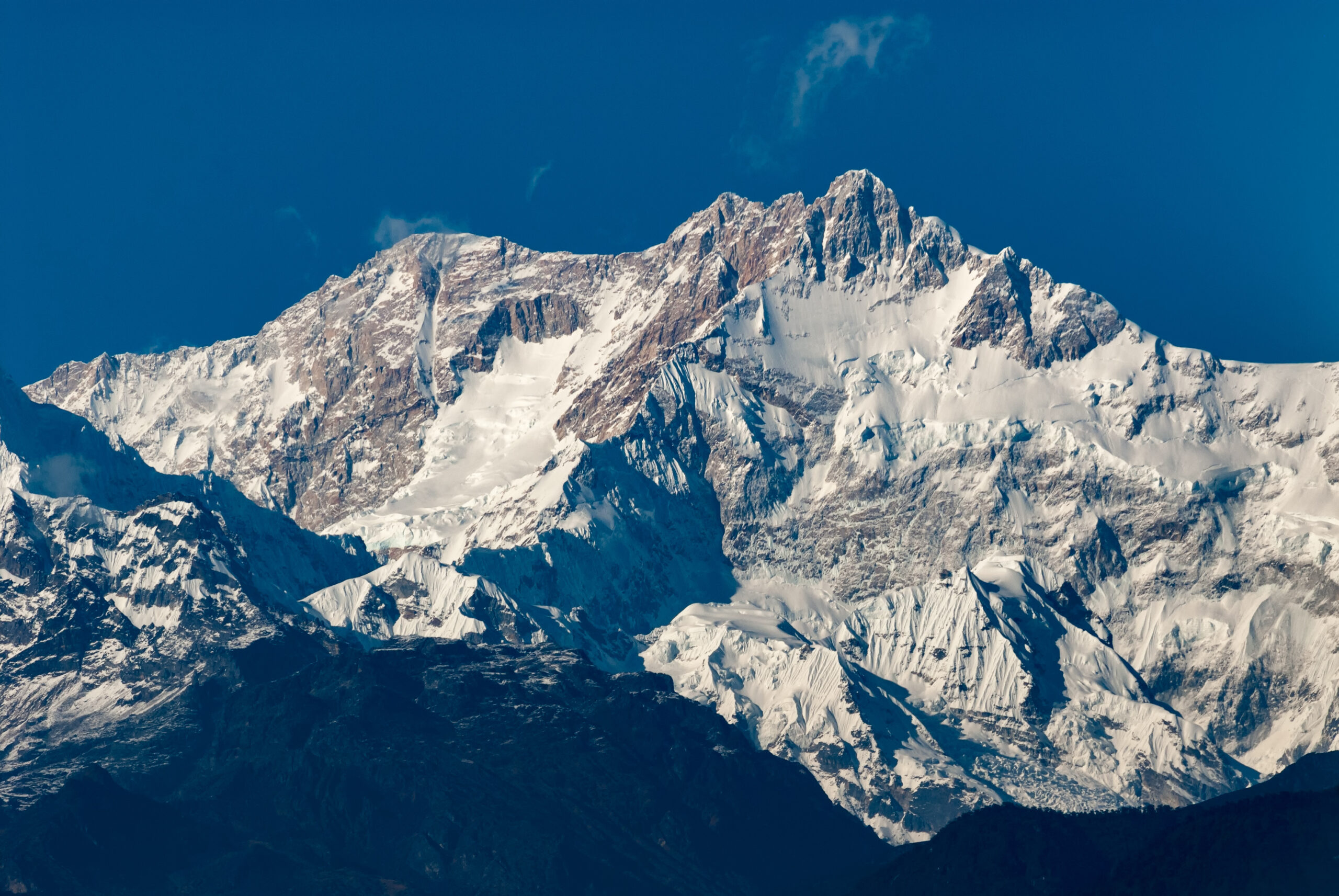
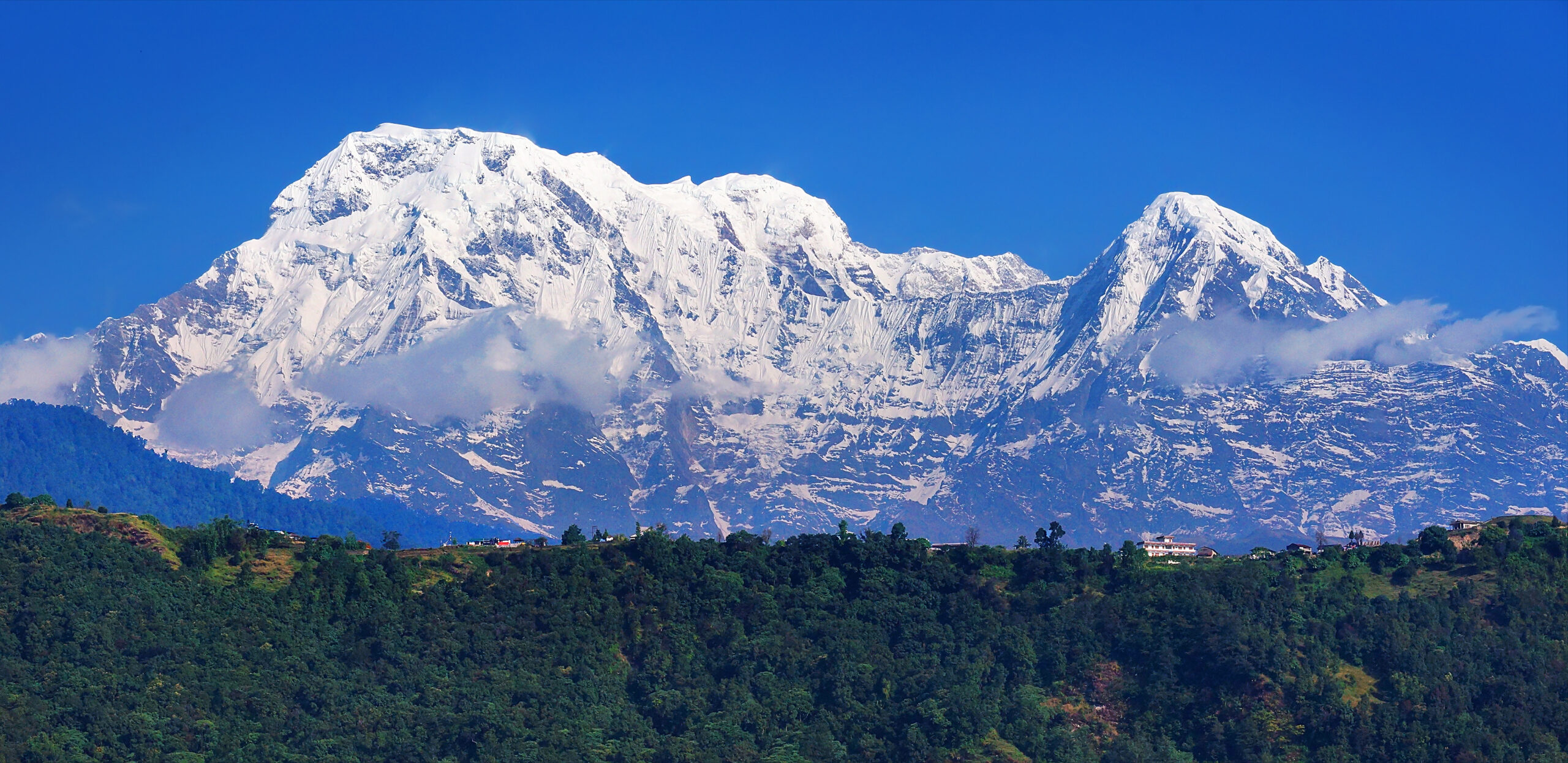
Photo note: All 11 unique photographs are identified GSG media-library Adobe Stock images of the exact mountains named. They are modern geographic illustrations, not stills from Netflix or Project Possible. GSG should retain purchase/license records and verify files render on mobile and desktop before publishing.
Site integrity: No paid movie rankings, fabricated user ratings, or undisclosed affiliate recommendations appear here. Existing Yoast SEO outputs may already include BreadcrumbList; check final rendered JSON-LD to avoid conflicting or duplicate trails.
Fourteen summits. One expedition. Dozens of stories still to explore.
Start with the movie to understand the people, then follow the 14-peak guide for the terrain and mountaineering history. For another Everest-focused true story, explore the published Tenzing feature.
Was this helpful?
Global Summit Guide is an independent mountaineering resource founded in 2026. The team combines first-hand trekking and climbing experience with in-depth research and professional health and nutrition review to help climbers choose objectives, prepare properly, and stay safe.
Health, altitude, and nutrition content is reviewed by Taylor Ludlow (Registered Nurse) and Brigg Hoopes (Nutritionist).
What We Don't Know Yet
Mountain information changes quickly. This box explains the limits of what this page can responsibly promise.
- Route conditions, trailhead access, crevasse exposure, stream crossings, and rescue access may vary from published planning guidance.
- Comparisons simplify complex decisions; the better mountain depends on current conditions, skills, timing, budget, and risk tolerance.
- Visa, passport, vaccination, border, insurance, and local transportation rules may change before your trip.
Verify current conditions with official land managers, guide services, local forecasts, and current route reports before booking or climbing.
Mountaineering, rock and ice climbing, glacier travel, and high-altitude activity are inherently dangerous and can result in serious injury or death. The information on Global Summit Guide is provided for general informational and educational purposes only and is not a substitute for professional instruction, qualified guiding, proper equipment, or your own judgment and experience.
Route conditions, weather, snowpack, permits, regulations, and hazards change constantly and may differ from what is described here. Details may be incomplete, out of date, or contain errors. Always verify current information with local authorities, certified guides, and official sources before making any decision in the mountains.
Nothing on this site is medical, legal, or financial advice. Our fitness, acclimatization, altitude, and nutrition content is general in nature; consult a qualified physician before beginning any strenuous exercise program or exposing yourself to high altitude.
You are solely responsible for your own safety and decisions. To the fullest extent permitted by law, Global Summit Guide and its team accept no liability for any loss, injury, damage, or expense arising from use of, or reliance on, this information. By using this site you acknowledge these risks and accept these terms.
Some links on this site may be affiliate links. If you buy through them we may earn a small commission at no extra cost to you; this never affects our recommendations.
Global Summit Guide recommendation path
Next Best Mountain to Research
Use these recommendations to continue the right planning path instead of stopping on one page.
Use current permit, weather, route, and operator information before booking or climbing.